Don Torino’s The Nature Connection Airs This Sunday (Sept. 27) on WFDU 89.1 FM

Bergen County Audubon Society President Don Torino welcomes fellow BCAS members Marie Longo and Tammy Laverty to the latest episode of The Nature Connection radio show, airing this Sunday (Sept. 27) from 6:30 a.m. to 7 a.m. on WFDU 89.1 FM.

Don, Marie and Tammy will discuss how to prepare your backyard wildlife habitats for the fall and winter season and why it’s so important to make your surroundings wildlife-friendly, especially during these tough seasons.

Marie, among her many BCAS duties, is in charge of the BCAS Certified Wildlife Garden Program. Tammy is a master gardener and head volunteer coordinator at the BCAS Butterfly Garden in Overpeck County Park in Leonia.

The Nature Connection airs on the fourth Sunday of each month from 6:30 a.m. to 7 a.m. on WFDU 89.1 FM. Past episodes of The Nature Connection can be heard at https://podcasts.apple.com/us/podcast/the-nature-connection/id6795559600

Goldenrod and Asters are important fall flowers for wildlife. Credit – Tammy Laverty

Meadowlands Birding Festival Spotlight: James Falletti

We had the pleasure of speaking with James Falletti, an award-winning environmental communicator, wildlife photographer, science educator, writer, author, and speaker. James will be giving a talk at the Meadowlands Birding Festival (Sunday, Oct. 4) on Birding Without Borders – click here for schedule and more information.

Your talk at the Meadowlands Birding Festival is Birding Without Borders. Could you explain that concept?

Birding Without Borders is built around the idea that birds and nature have an extraordinary ability to connect people across geographic, cultural, and language boundaries. That idea has become increasingly meaningful to me through my experiences as an educator, photographer, and birder, particularly as my work has expanded beyond New Jersey to Colombia and China.

No matter where you are in the world, curiosity about nature is something people share. Someone may speak a different language or come from a completely different cultural background, but when they encounter an unfamiliar bird, many of the same questions arise. What is it? Where does it live? Why is it behaving that way? Birds can become the beginning of a conversation, and their migrations remind us that nature does not recognize the geo-political (ok to use geo-political instead of political?) that divide us.

My presentation brings together birding, photography, education, travel, and conservation through experiences in New Jersey and abroad. One aspect that was particularly meaningful was being able to bring the Bergen County Audubon Society into my international work. BCAS provided birding resources that I brought with me to Colombia and China, allowing something that originated with a local organization here in Bergen County to become part of educational experiences with students thousands of miles away.

That is really the heart of Birding Without Borders. Birding may begin with simply noticing a bird, but it can lead to conversations about science, migration, conservation, photography, culture, and our shared responsibility for the natural world.

Did you grow up around nature?

Growing up on Long Island, I was fortunate to spend time outdoors and visit places that encouraged exploration and curiosity. One place that remains particularly important in my memory is Cedar Beach in Mount Sinai. The Cedar Beach Town Nature Preserve sits along the Long Island Sound, with sandy paths leading through salt marshes toward Mount Sinai Harbor.

I enjoyed exploring, being near the water, and paying attention to whatever I happened to find. Looking back now, I can see that those experiences probably had a greater influence on me than I understood at the time.

Did you also have an early interest in birds?

I was about eight years old; my grandmother gave me a copy of A Guide to Field Identification: Birds of North America. I became fascinated by the illustrations and wanted to identify the birds I saw around me.

The Belted Kingfisher became particularly memorable because I was determined to find one. For a while, my enthusiasm was considerably stronger than my identification skills, and I apparently thought almost every Blue Jay or flash of blue might be the kingfisher I had been searching for.

As I got older, life became busy. I went to college, built a career, pursued graduate degrees, and spent nearly two decades working in education. My childhood interest in birds moved into the background for a while, although my connection with nature never disappeared.

Then, many years later, while visiting Tenafly Nature Center, I saw a Belted Kingfisher again. That encounter brought me back to that childhood book and the memory of my grandmother giving it to me. I often call the Belted Kingfisher my “Re-Spark Bird” because seeing one again helped reignite an interest that had started decades earlier.

Left – Bald Eagle – Middle – Great and Snowy Egret – Right – Semipalmated Sandipipers

How long have you been involved in birding and photography in New Jersey?

I moved to New Jersey in 2009 and over time began exploring the remarkable natural areas throughout Bergen County and beyond. Today I may be exploring a wetland, national park, wildlife refuge, or natural area with a camera or binoculars in hand, but the instinct behind it remains remarkably similar to what I experienced as a child. I still enjoy arriving somewhere, slowing down, observing what is happening, and trying to better understand the place and the life within it.

How did you develop an interest in photography?

Photography developed gradually for me before eventually becoming one of the central parts of both my personal and professional life. I began with simple point-and-shoot cameras, photographing family, travel, and places I visited before eventually purchasing my first serious Nikon interchangeable lens camera.

That transition encouraged me to move beyond simply taking pictures and begin learning photography as a craft. I became interested in composition, light, exposure, lenses, and timing, but perhaps the most important thing photography taught me was how to see differently. Once you begin carrying a camera regularly, you start noticing details that might otherwise pass by unnoticed.

I did not begin exclusively as a nature or wildlife photographer. I photographed travel, landscapes, cities, architecture, food, people, and nature, and I think working across different subjects helped me become a more versatile visual storyteller.

How did you come to focus on wildlife photography?

Wildlife gradually became a stronger focus as my interest in birding developed. The more time I spent photographing birds, the more I wanted to understand them. Photography led me toward bird identification and behavior, while birding gave me a deeper understanding of the subjects I was photographing. The two interests developed together.

Have you had formal training?

I would describe myself as primarily self-taught, although I have also studied photography formally and spent years learning through coursework, workshops, experimentation, and, most importantly, experience in the field. Wildlife photography is a constant teacher because understanding your camera is only part of the process. You also have to understand behavior, light, timing, patience, and how to adapt when the situation changes.

What is the key to taking photos that tell stories?

Storytelling has become central to my photography because a photograph can communicate much more than simply what happened to be standing in front of the camera. A wildlife image can tell a story about behavior, habitat, survival, or the relationship between an animal and its environment. Sometimes the environment surrounding an animal is just as important as the animal itself.

Great and Snowy Egret and Mallard

Do you have advice for aspiring photographers?

For beginners, my advice is to start with the camera you already have and learn how to use it well. Pay attention to light, composition, backgrounds, and timing. For wildlife photography, especially, learn about your subjects and spend time observing before immediately beginning to photograph.

Most importantly, respect wildlife. No photograph is worth disturbing an animal or damaging its habitat. The experience of observing and learning should always be as important as getting the photograph.

What led you to documenting the Meadowlands through photos?

After moving to New Jersey in 2009, I gradually began exploring the remarkable diversity of wildlife and natural habitats throughout Bergen County and the Meadowlands. Like many people, my early impressions of the Meadowlands were shaped by what I saw from highways, trains, and while traveling through the region.

As my interests in photography, birding, and environmental education developed, the Meadowlands became one of the places that most challenged those assumptions. I discovered wetlands, tidal marshes, trails, and an extraordinary diversity of wildlife in a place that many people simply drive past without realizing what is there.

Today, I see the Meadowlands as one of the region’s most important environmental and educational resources. You can stand in a marsh observing an Osprey, Bald Eagle, Great Egret, or Northern Harrier while highways, buildings, and the New York City skyline remain visible nearby.

Hooded Merganser

Do you have any favorite Meadowlands spots?

Richard W. DeKorte Park in Lyndhurst is one of my favorite locations because of the remarkable variety of birds and photographic opportunities throughout the year. I enjoy returning to the same locations repeatedly because birding is constantly changing. A place can seem relatively quiet one week and suddenly become filled with activity the next because of migration, weather, or seasonal changes.

Osprey and Northern Harrier

How did you become involved with the Bergen County Audubon Society?

I officially became involved with the Bergen County Audubon Society in August 2024 as a Field Trip Leader and member of the Field Trip Committee. The role brought together several parts of my life, including my background in education, wildlife photography, birding, and environmental science.

One of the things I appreciate most about BCAS is that it welcomes people wherever they are on their birding journey. You do not have to be an expert to participate. Some of the most rewarding experiences involve someone identifying a bird they may have seen for years without ever knowing its name.

Some people might have an interest in birding but feel overwhelmed at the sheer number of birds out there. What would you say to encourage people who are hesitant about birding?

Birding can seem intimidating because there are so many species and identification details to learn, but nobody begins by knowing everything. I encourage people to start with the birds they already see in their neighborhoods and local parks. Once you begin recognizing familiar species, curiosity naturally takes over.

For me personally, birdwatching and photography are also comforting because they require me to slow down and become fully present. You begin paying attention to sounds, movement, weather, and details that might otherwise disappear into the background.

Ultimately, that is what birdwatching continues to teach me. There is always something happening around us if we take the time to look.

You are also an educator. How do you bring your love of nature, birding and photography into the classroom?

For nearly two decades, I have worked in education, much of that time as a full-time classroom teacher and STEM and technology educator. Throughout my career, I became increasingly interested in finding ways to move learning beyond traditional textbooks and classroom walls.

Students can read about ecosystems, wildlife, climate, and conservation, but those ideas often become much more meaningful when they have an opportunity to experience them directly. Instead of simply memorizing the definition of a wetland, they can visit one and observe the plants and animals that depend upon it.

That philosophy became an increasingly important part of my educational work and contributed to our school’s achievement of Eco Schools USA Green Flag status. Nature became one of the central threads connecting my work because almost every subject can connect to the natural world.

One of my signature programs, Flight by Design: A STEM Journey Through Birds, Biomimicry and Aerospace, brings those connections together. Students investigate how birds fly, how engineers study nature for inspiration, and how those observations have influenced technologies related to aviation and aerospace.

My work has also extended into space and aerospace education through organizations including Space Center Houston and the Space Exploration Educators Conference, or SEEC. Nature and space may initially seem like very different subjects, but I see them as part of the same larger conversation about exploration and discovery.

How have your experiences shaped you as environmental advocate?

Over time, my experiences as a photographer and birder also changed the way I viewed environmental issues. The more time I spent observing wildlife, the more I understood that habitat loss, pollution, climate change, and development were not abstract concepts. They affect specific places and species that I had come to know.

There are many serious environmental challenges today, but I also think it is important that people do not feel powerless. Supporting conservation organizations, learning about local wildlife, participating in community science, and protecting important habitats can all make a difference.

I have come to believe that curiosity can be the beginning of environmental stewardship. Before people can care deeply about protecting something, they often need an opportunity to experience it.

You spent part of this summer teaching about birds in China. How did that come to be?

The opportunity to teach in China came through Vision Gifted Chinese Children, or VGCC, an educational organization that develops learning opportunities for students. I was invited to develop and teach STEAM programs in Shenzhen and Dongguan, where I spent nearly five weeks working with students.

The experience brought together many areas of my professional background, including science, technology, engineering, environmental investigation, photography, creativity, and problem solving. Birds and the natural world also became part of the experience whenever possible, with students using binoculars, cameras, journals, and field guides to investigate wildlife around their school.

One particularly meaningful connection was being able to bring resources from the Bergen County Audubon Society with me. BCAS provided Chinese bird field guides that became part of our daily observations and allowed students to identify species they were seeing in their own environment.

Are there certain highlights of your experience in China that you’d like to share?

One of my favorite experiences involved observing a Long-tailed Shrike with students. It was a new species for me, but what made the experience meaningful was sharing the discovery process. We observed the bird together, photographed it, examined its characteristics, and worked through the identification process. For a brief period, the school grounds became a field research site, and the students were not simply being taught about science. They were actively doing it.

Long-tailed Shrike

Red-whiskered Bulbul

China was one of the most meaningful professional and personal experiences of my career, but I also want to emphasize that Colombia was equally important and impactful. Both experiences reinforced my belief that education, nature, and curiosity can create meaningful connections across cultures and geographic boundaries.

Teaching internationally requires flexibility and humility. You arrive with knowledge and experiences to share, but you also leave having learned from the students, educators, and communities you encounter.

Can you tell us about your upcoming book, The Classroom Without Walls: Learning to See the World Through Nature, Curiosity, and Photography.

The book reflects a philosophy that has developed throughout my career: some of the most meaningful learning happens when we move beyond traditional boundaries and begin paying closer attention to the world around us. It brings together many of the ideas that have developed throughout my career and explores how curiosity, observation, exploration, and real-world experiences can become powerful forms of learning.

You describe yourself as environmental communicator. What does that mean?

To me, an environmental communicator is someone who helps make information about nature, science, wildlife, and environmental issues accessible and meaningful to a broader audience.

I use education, photography, writing, presentations, and storytelling to help people better understand and connect with the natural world. Depending on the situation, which might entail leading a bird walk in Bergen County, photographing wildlife, presenting a STEM program that connects birds with aerospace engineering, teaching internationally, or writing about an environmental experience.

Photography is particularly important because it can help someone see something they may never encounter in person, while storytelling provides the context that helps people understand why a species, place, or environmental issue matters.

Ultimately, environmental communication begins with encouraging people to pay attention. If something I photograph, teach, write, or present causes someone to look more closely at a bird, visit a local park, ask a question, or think differently about the world around them, then I believe the communication has done its job.

For more information on James Falletti and James Falletti Media, visit jamesfalletti.com and www.jamesfallettiphotography.com.

The Sentinel

Credit – David Gomez

The NJSEA’s David Gomez took this great photo of the Meadowlands’ resident Peregrine Falcon on Friday evening during the Authority’s Pontoon Boat Tour. Did you know that the Peregrine Falcon is the fastest animal on Earth? It reaches dive speeds of over 240 miles per hour. The Peregrine is also a fierce predator, hunting hundreds species of birds.

MAPS4S Butterfly Day Outreach Recap

What happens when you put a map of the Meadowlands in front of the people who drive, walk, and bike it every day? You get an invaluable roadmap for a safer community.

On July 25, the NJSEA brought their “Lemonade with a Transportation Planner and Engineer” booth to Butterfly Day. The goal was simple: invite participants to share what they experience on local roads and highlight what needs to be improved across the Meadowlands transportation network.

The event marked NJSEA’s first public outreach pop-up since adopting the Meadowlands Action Plan for Safety (MAP4S) on December 18, 2025. More than 47 community members stopped by to chat about traffic safety within the district. Participants pointed out specific safety hazard areas on the map, sharing real-world observations, and bright ideas that only locals would know.

What We Heard: Local Insights for Safer Streets

Our conversations brought forward invaluable local insights. Several clear themes emerged about what is working and where we need to focus our efforts:

  • Walking and crossing safety: Participants highlighted sidewalk gaps, uneven pavement, missing crosswalks, and low visibility for pedestrians, particularly in busy corridors such as Tonnelle Avenue.
  • Biking, scooters, and trails: There is a strong community desire for expanded trail networks to create safer, more comfortable spaces for people who are walking, biking, or using scooters.
  • Community connections: Navigation between key destinations or other neighborhood communities can be challenging such as accessing Riverside Park in Lyndhurst or driving  to Jersey City via Route 7 bridge.
  • Traffic and driver behavior: Participants expressed a need for increased traffic enforcement at stop signs and signals, alongside growing concerns regarding driver yielding habits and parking management.
  • Roadway and infrastructure maintenance: Feedback emphasized the need to address infrastructure deficiencies including potholes, drainage, aging bridges, and heavy congestion near schools and daycare centers.

The conversation wasn’t all about problems. Visitors also highlighted what is working well such as the recent pedestrian and bike pathway connections in Lyndhurst.

Translating Community Feedback into our Vision Zero 2040 Initiative

This firsthand input is vital to advancing the MAP4S and achieving our Vision Zero objectives. By hearing directly from those who travel throughout the Meadowlands District, the NJSEA can better understand critical community needs and gaps. This invaluable data allows us to identify targeted transportation improvements, coordinate effectively with stakeholders, and move into the implementation phase.  Best of all, this conversation is just getting started.

Thank you to everyone who stopped by on Butterfly Day and took the time to share your experiences with us. Your feedback is invaluable and brings us one step closer to our goal of zero fatalities and serious injuries by 2040.

Join Us at the Meadowlands Birding Festival

On October 4, we’ll bring another pop-up event to the Meadowlands Birding Festival at DeKorte Park to hear about your traffic safety concerns. Know a trouble spot where you don’t feel safe biking or walking? Have an idea for making a connection safer or want to share what’s already working well? We want to hear from you!

The festival runs from 9 a.m. to 3 p.m.

Stop by, grab some lemonade, and share your thoughts.

Losen Slote Nature Walk This Wednesday (Sept. 23)

Woodthrush

Join the Bergen County Audubon Society as they lead a walk through Losen Slote Creek Park in Little Ferry, one of the last remaining low-lying forests in the Meadowlands. Be on the lookout for warblers, Wood thrush and Waterthrush. The walk is from 10 a.m. to noon.

Trails may be muddy; boots are highly recommended. Park in the lot adjacent to the soccer field on Mehrhof Road.

Contact: Don Torino – greatauk4@gmail.com or 201-230-4983.

Meadowlands Birding Festival Spotlight: Keynote Speaker Kevin Karlson

Meadowlands Birding Festival Keynote Speaker Kevin Karlson is a renowned birder, author, professional tour leader and wildlife photographer/instructor who has published many bird and nature related articles for magazines, books, and journals. His lighthearted presentation, Through the Looking Glass: Reflections of a Grateful Birder, explores some of the reasons why so many people enjoy watching and studying birds, including a unique camaraderie with other birders. Photos of birds, people and other creatures from various locations will be shared, as well as humorous events and stories that make the ride so interesting.

Forty-five years of casual and passionate birding have shaped Kevin’s life in so many ways, with much of it revolving around the study and enjoyment of birds, and this show shares his appreciation for the journey. Come along for a ride through time that we all can relate to, with birds, people and unique places the stars of the show.  

The Meadowlands Birding Festival is 9 a.m. to 3 p.m. Sunday, Oct. 4. The festival takes place at Richard W. DeKorte Park and the Meadowlands Environment Center, both at 2 DeKorte Park Plaza, Lyndhurst.

BCAS DeKorte Park Walk This Sunday (Sept. 20)

Osprey – Credit Alon Feder

Join the Bergen County Audubon Society for a walk through DeKorte Park, an amazing Meadowlands natural resource. Keep your eyes peeled for egrets, Osprey and other raptors. The walk this Sunday (Sept. 20) runs from 10 a.m. to noon.

Meet in the Meadowlands Environment Center parking lot, 2 DeKorte Park Plaza, Lyndhurst.

Contact: Don Torino – greatauk4@gmail.com or 201-230-4983

Photo-Friendly Meadowlands

Osprey- Alon Feder

The Meadowlands District is home to an array of beautiful parks, scenic natural areas, photogenic wildlife and awesome photographers. We’re happy to share some great pictures taken over the past couple of weeks by Alon Feder, Elaine McCarthy and Chris Takacs. All photos taken at Richard W. DeKorte Park in Lyndhurst.

Thank you Alon, Elaine and Chris!

Green Heron – Alon Feder

DeKorte Park Sunset – Chris Takacs

Black Swallowtail – Elaine McCarthy

Black Swallowtail – Elaine McCarthy

Great Blue Heron – Alon Feder

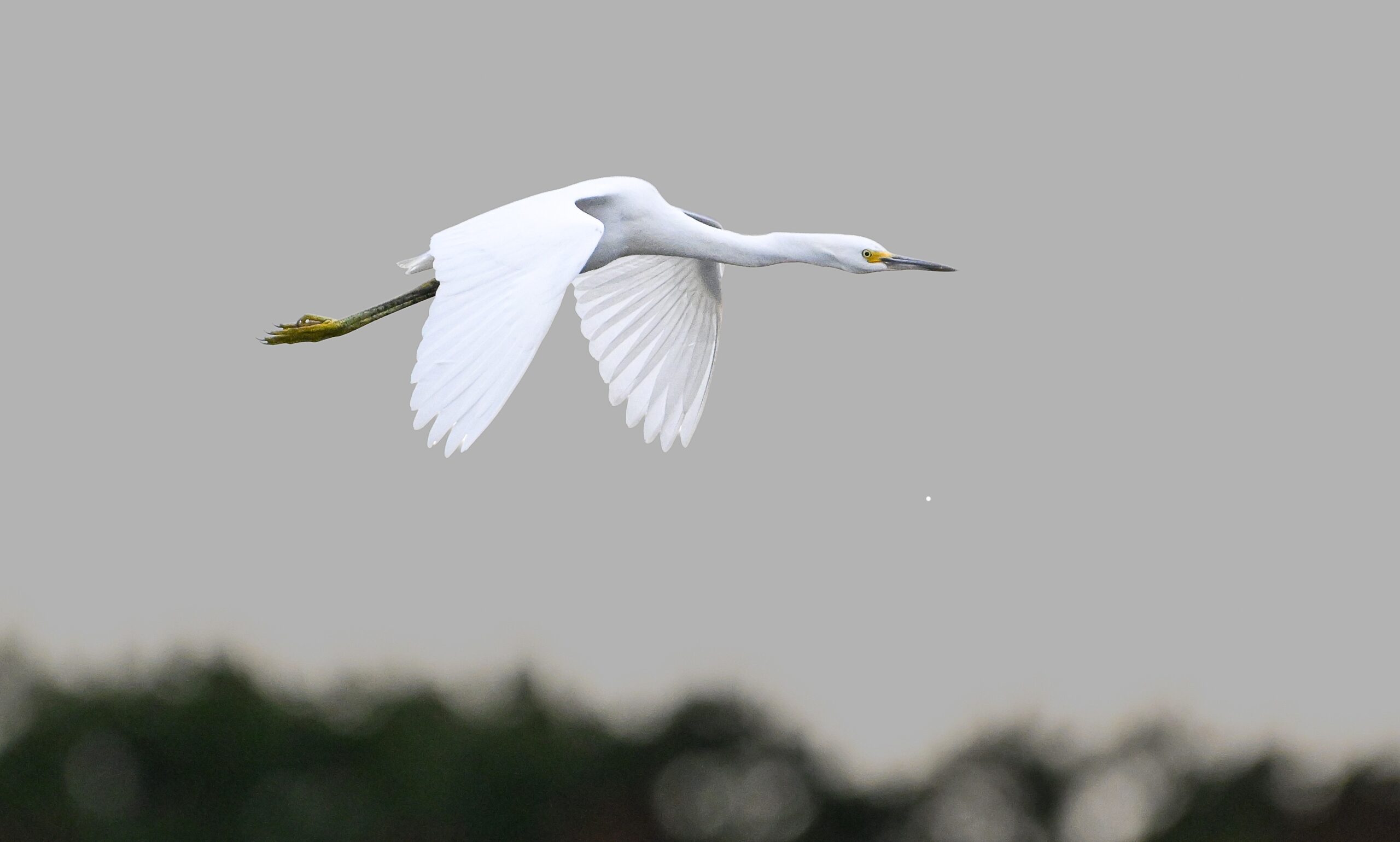
Snowy Egret – Alon Feder

Special DeKorte Park Evening Walk Is Thursday, Sept. 10

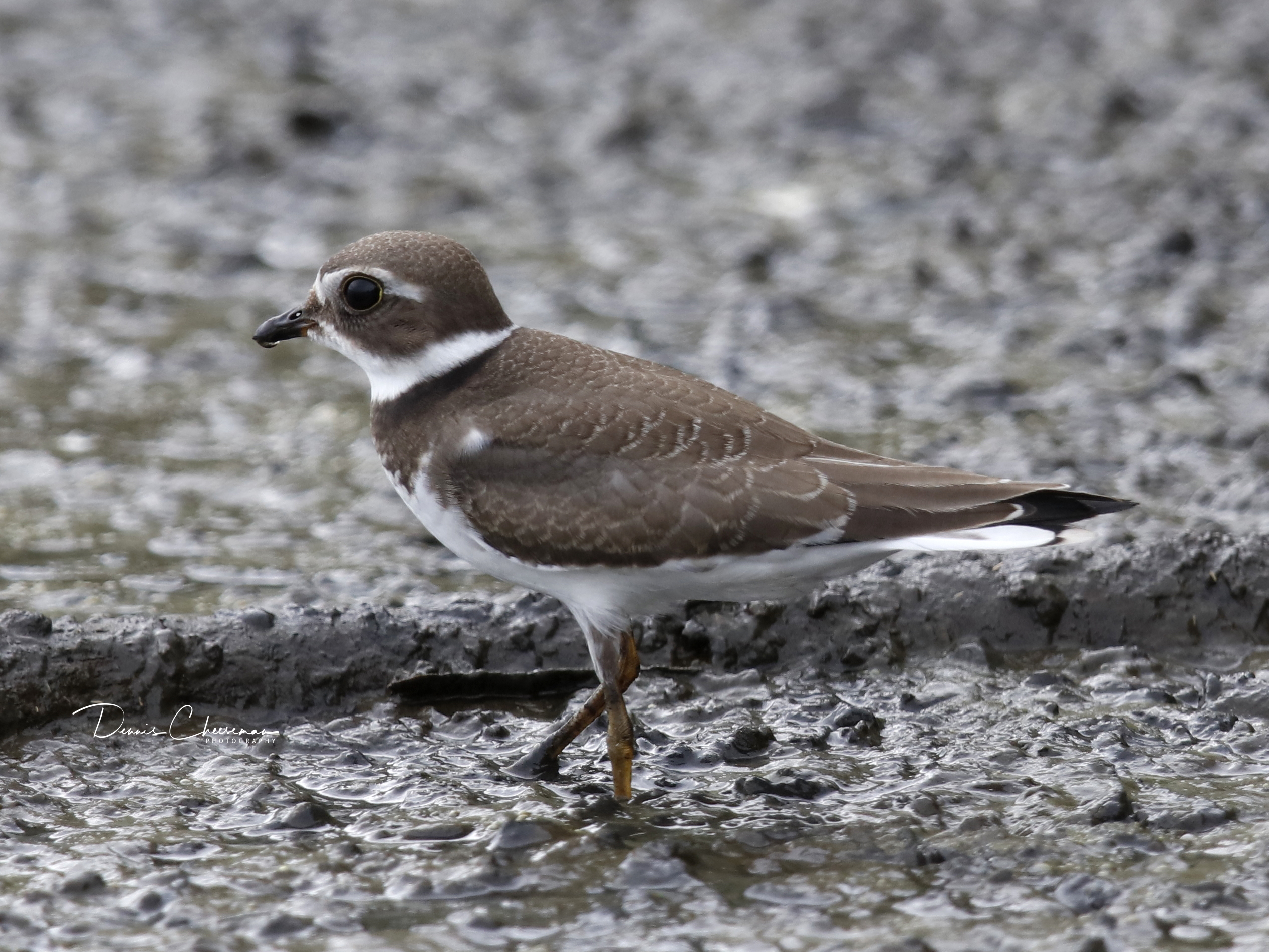
Semi-palmated Plover

Enjoy a peaceful walk through DeKorte Park with the Bergen County Audubon Society as your guide. They’ll be keeping an eye out for egrets, Yellow-crowned Night Herons and other avian species. The walk is from 6 p.m. to 7:30 p.m.

Meet in the Meadowlands Environment Center parking lot, 2 DeKorte Park Plaza, Lyndhurst.

Contact: Don Torino – greatauk4@gmail.com or 201-230-4983.
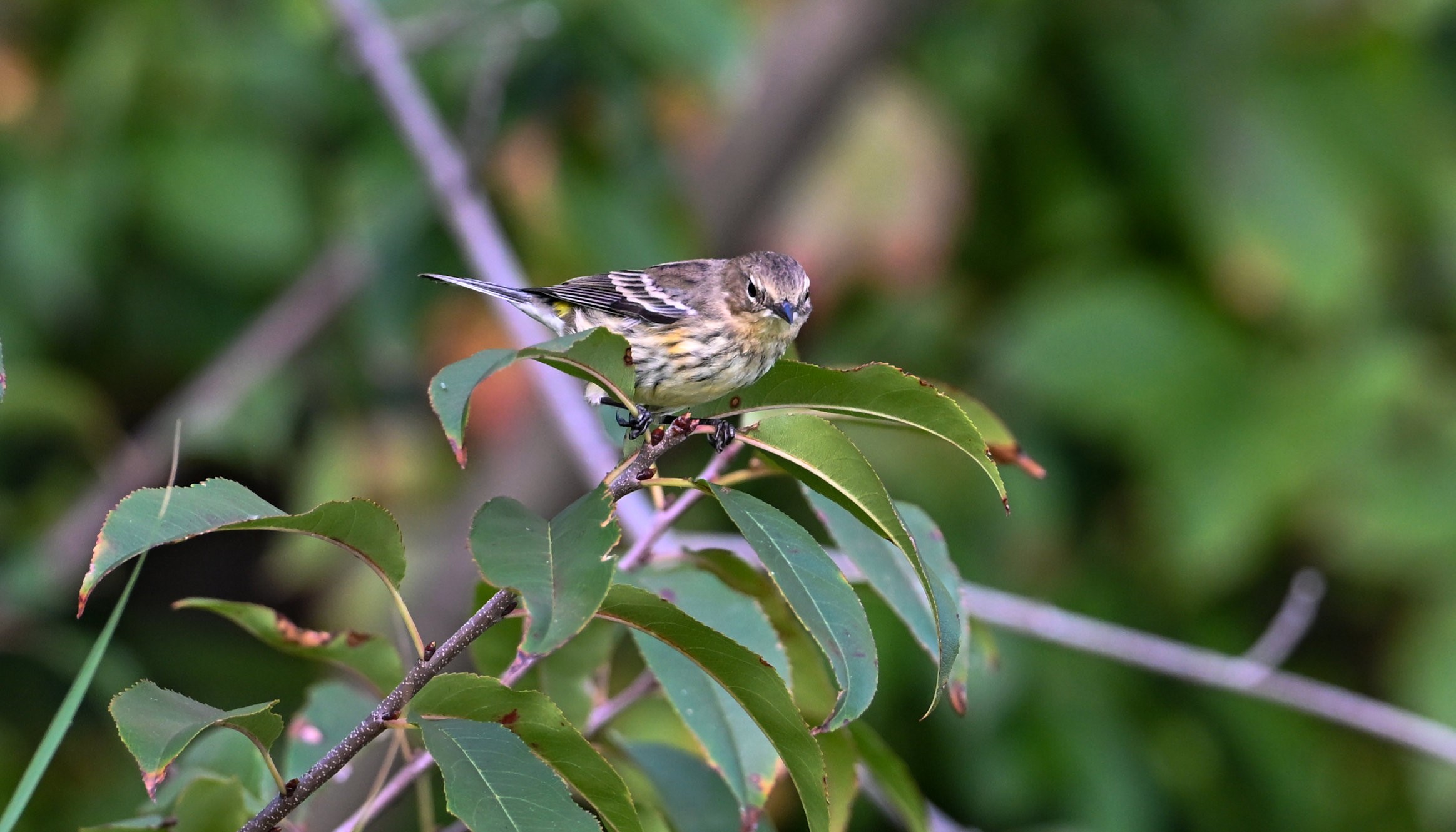
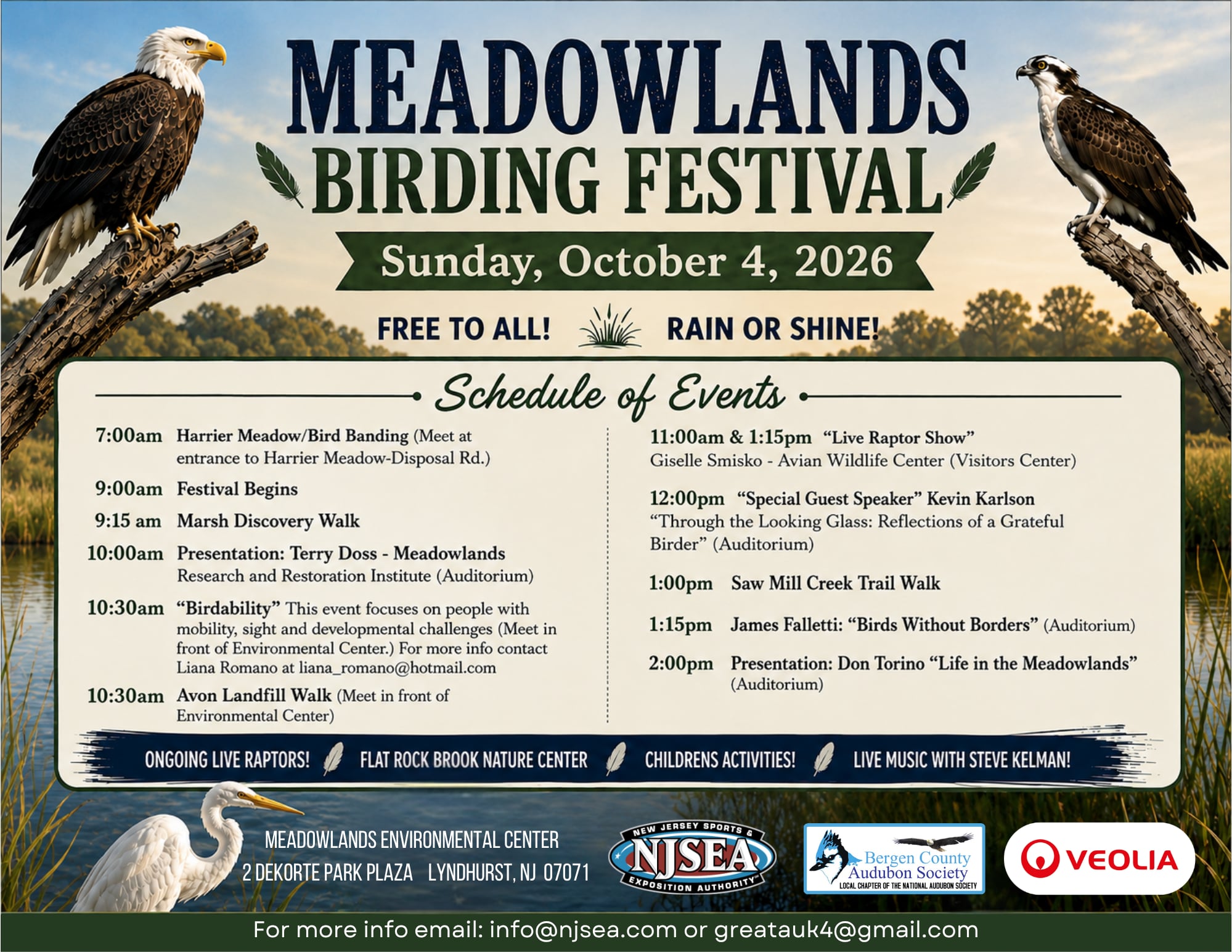
Save the Date: Meadowlands Birding Festival Is Sunday Oct. 4 at DeKorte Park in Lyndhurst!

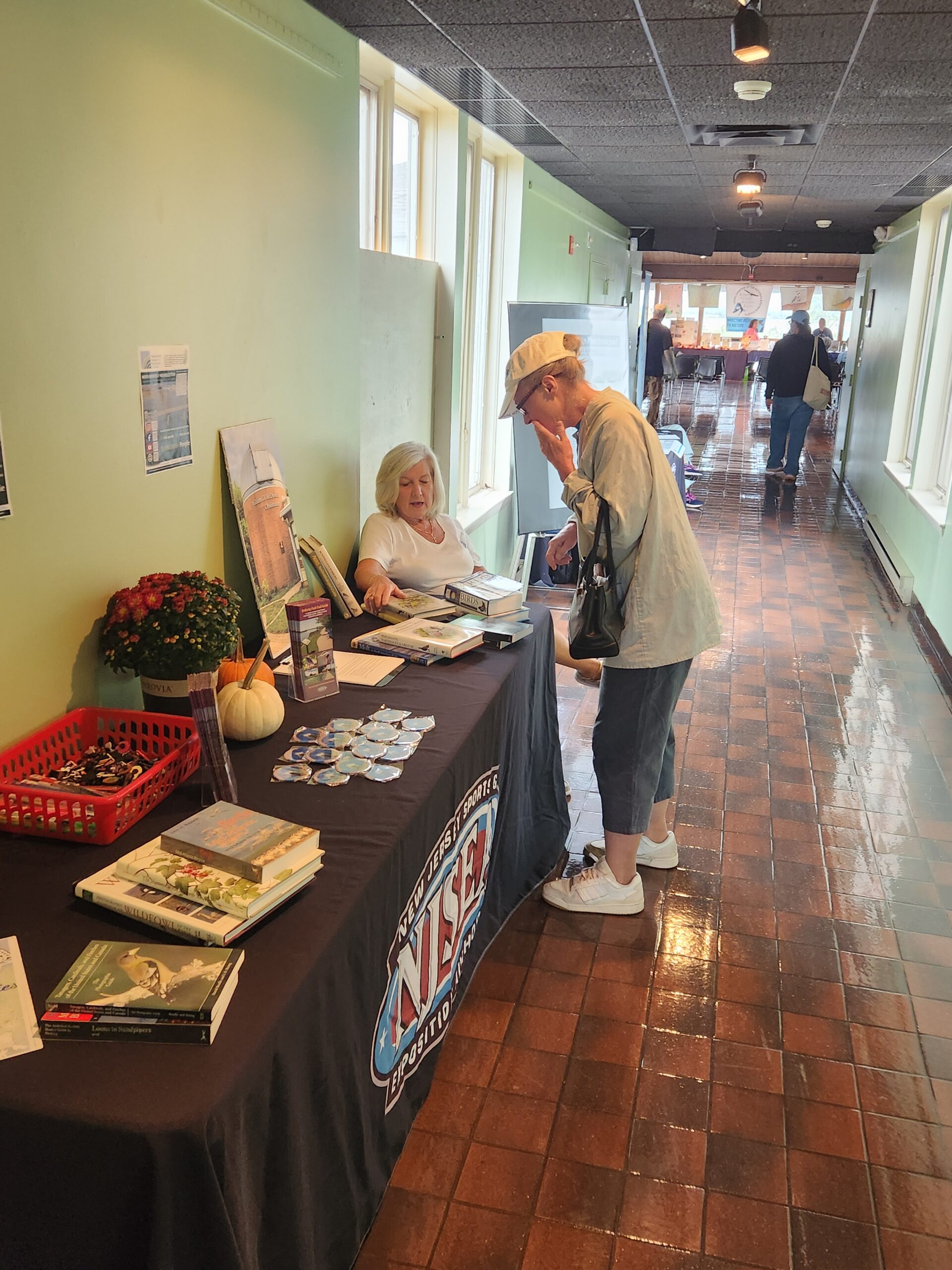
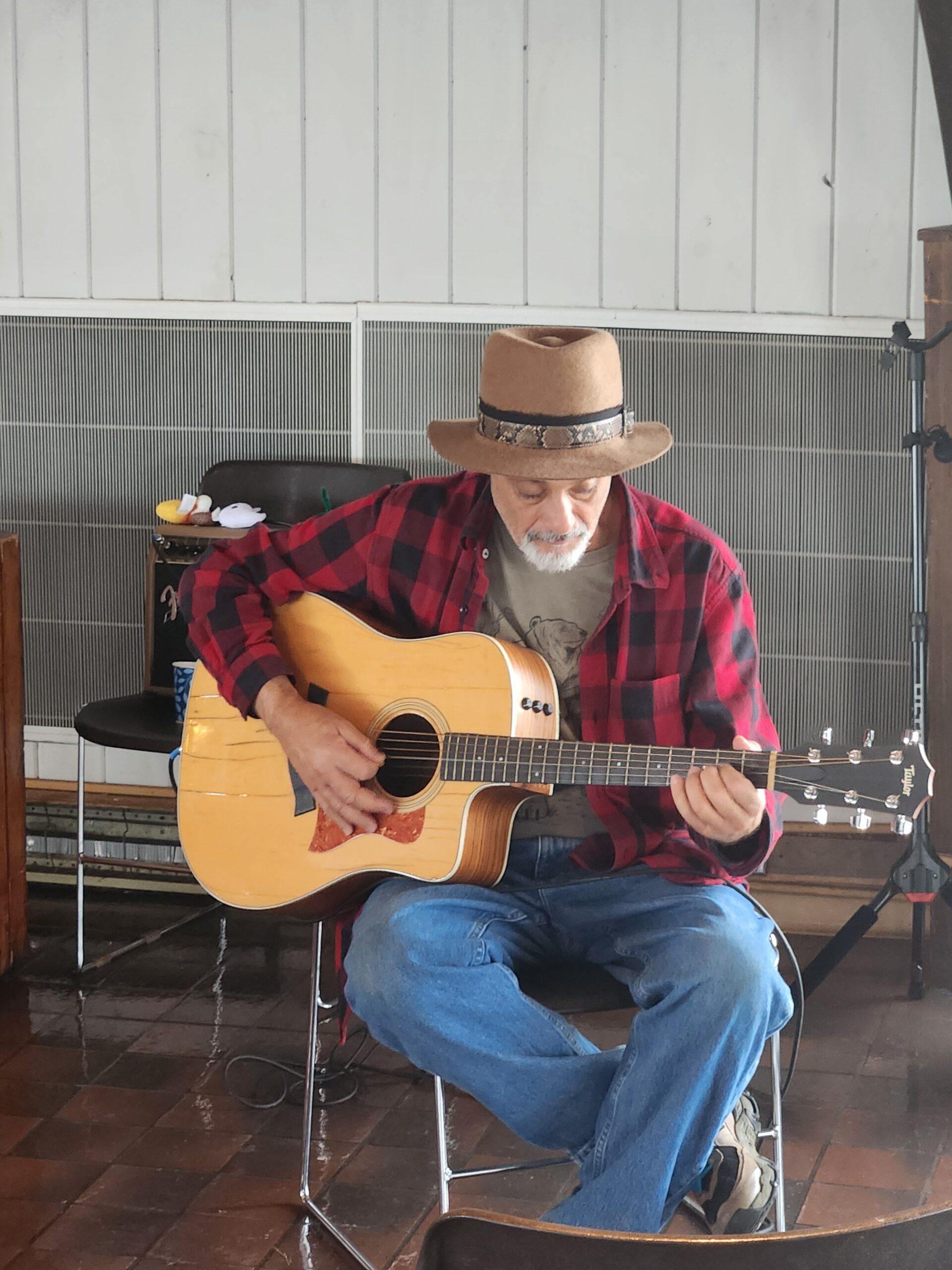
Join the New Jersey Sports and Exposition Authority and the Bergen County Audubon Society as they host the annual Meadowlands Birding Festival on Sunday, Oct. 4. The event takes place from 9 a.m. to 3 p.m.

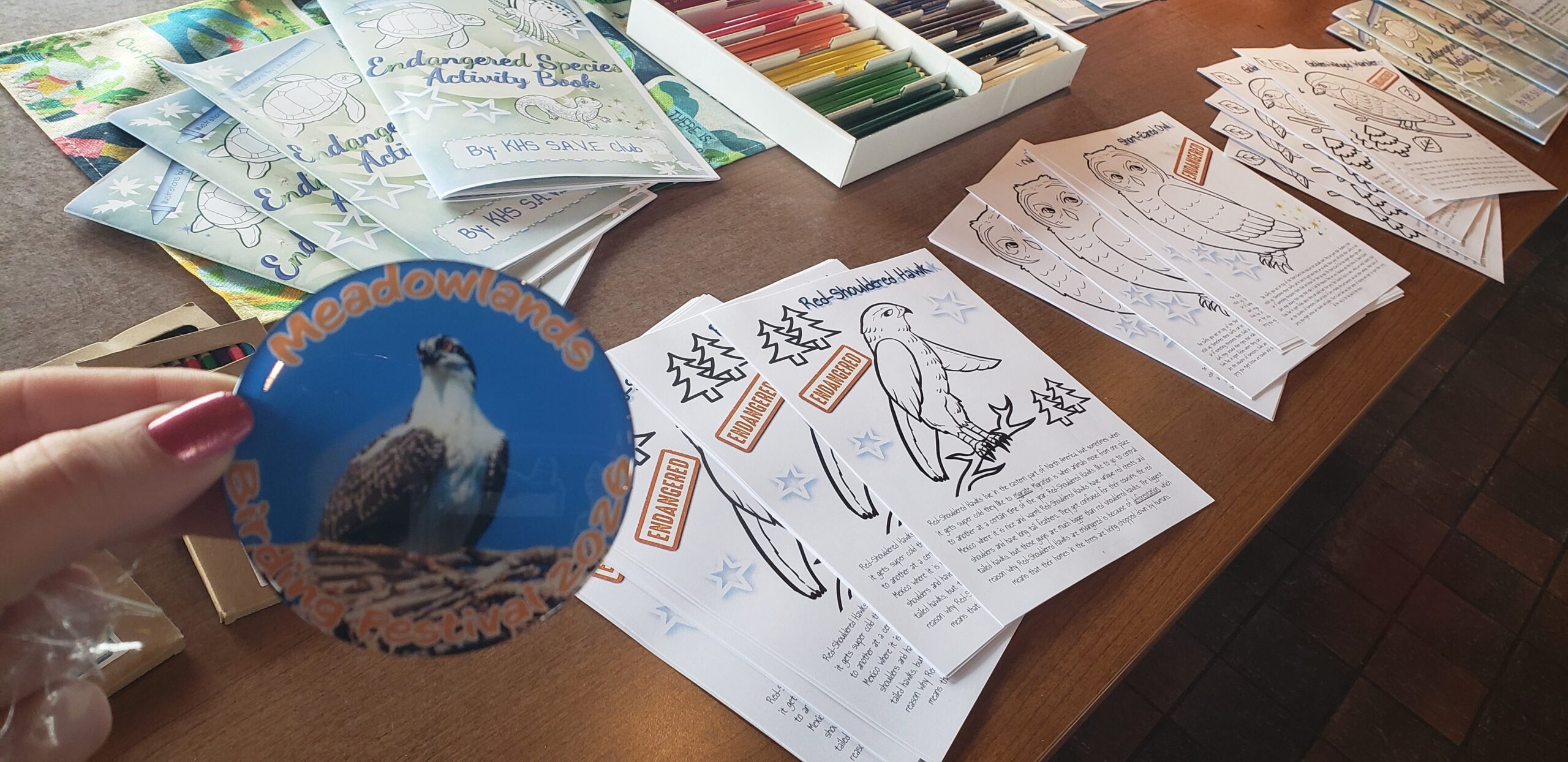
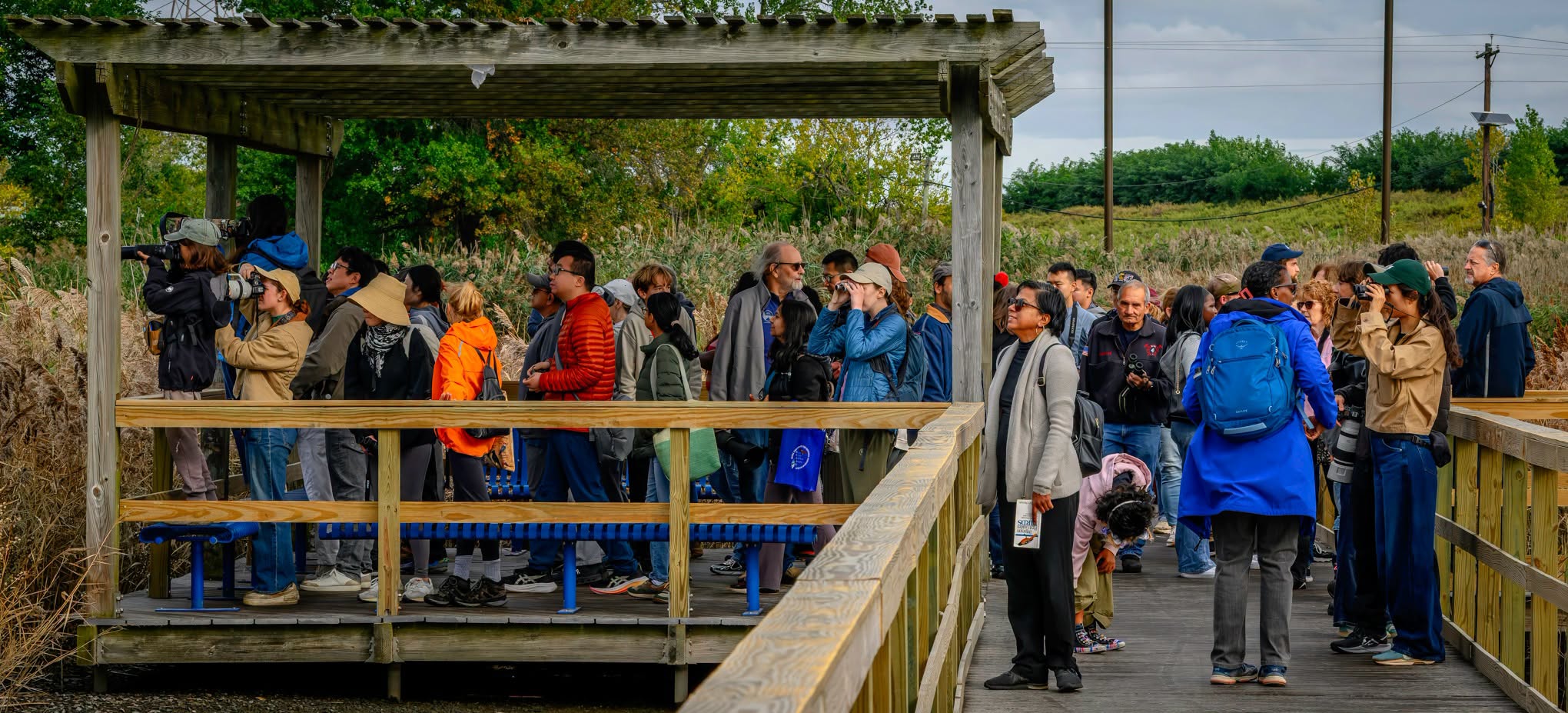
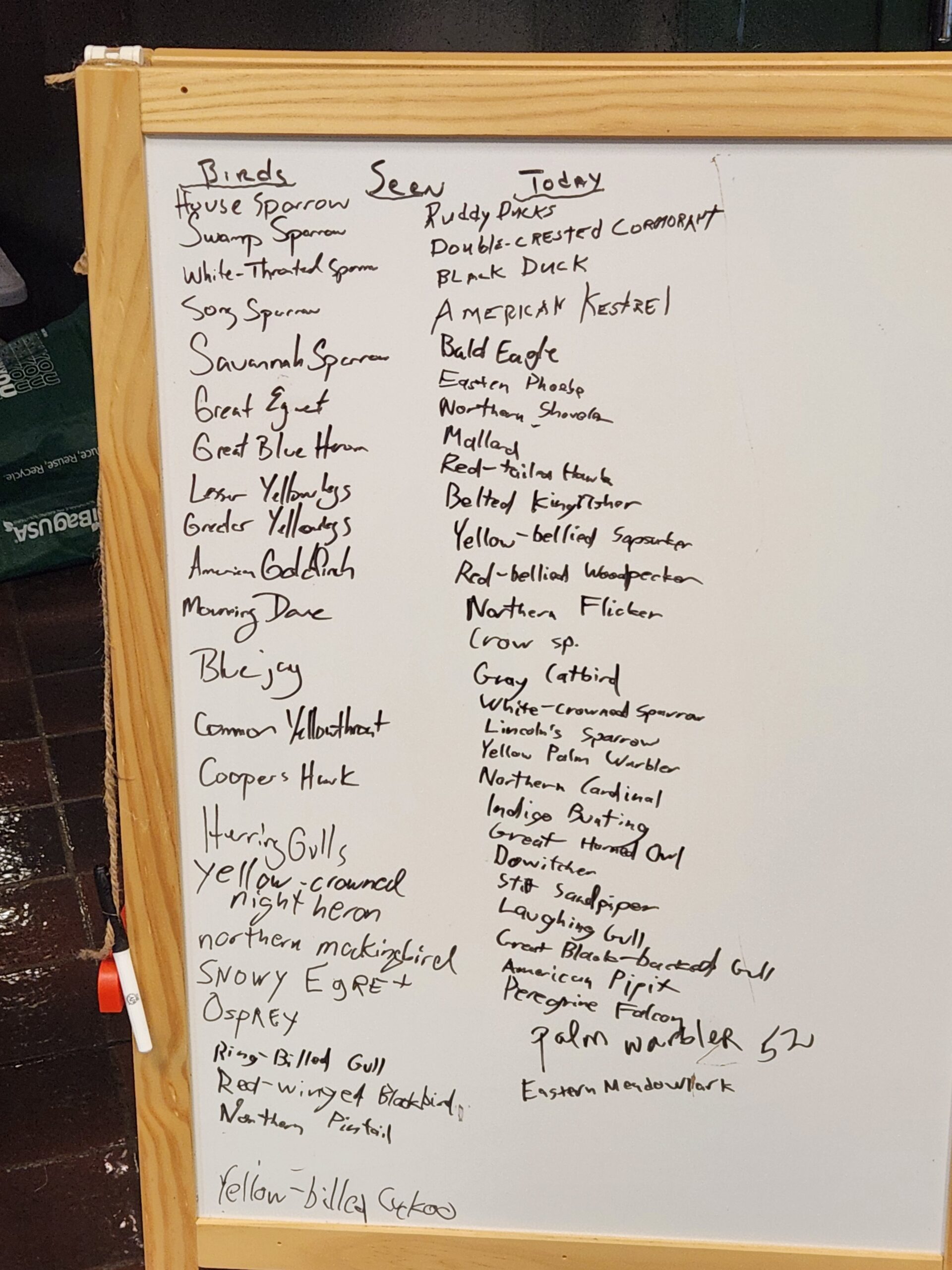
We have a packed schedule of guided walks, talks and live raptor shows plus kid’s activities and information tables. We’ll be looking for Bald Eagles, Osprey, Egrets and many other species. Bring binoculars if you have them!

Information:

NJSEA – info@njsea.com or 201-460-1700

BCAS – Don Torino at greatauk4@gmail.com or 201-230-4983