
Common Mergansers
Here are some awesome Super Bird Sunday photos of a variety of waterfowl and eagles taken by the BCAS’ Joe Koscielny. We’ll have more later today. Thanks Joe!

Northern Pintail
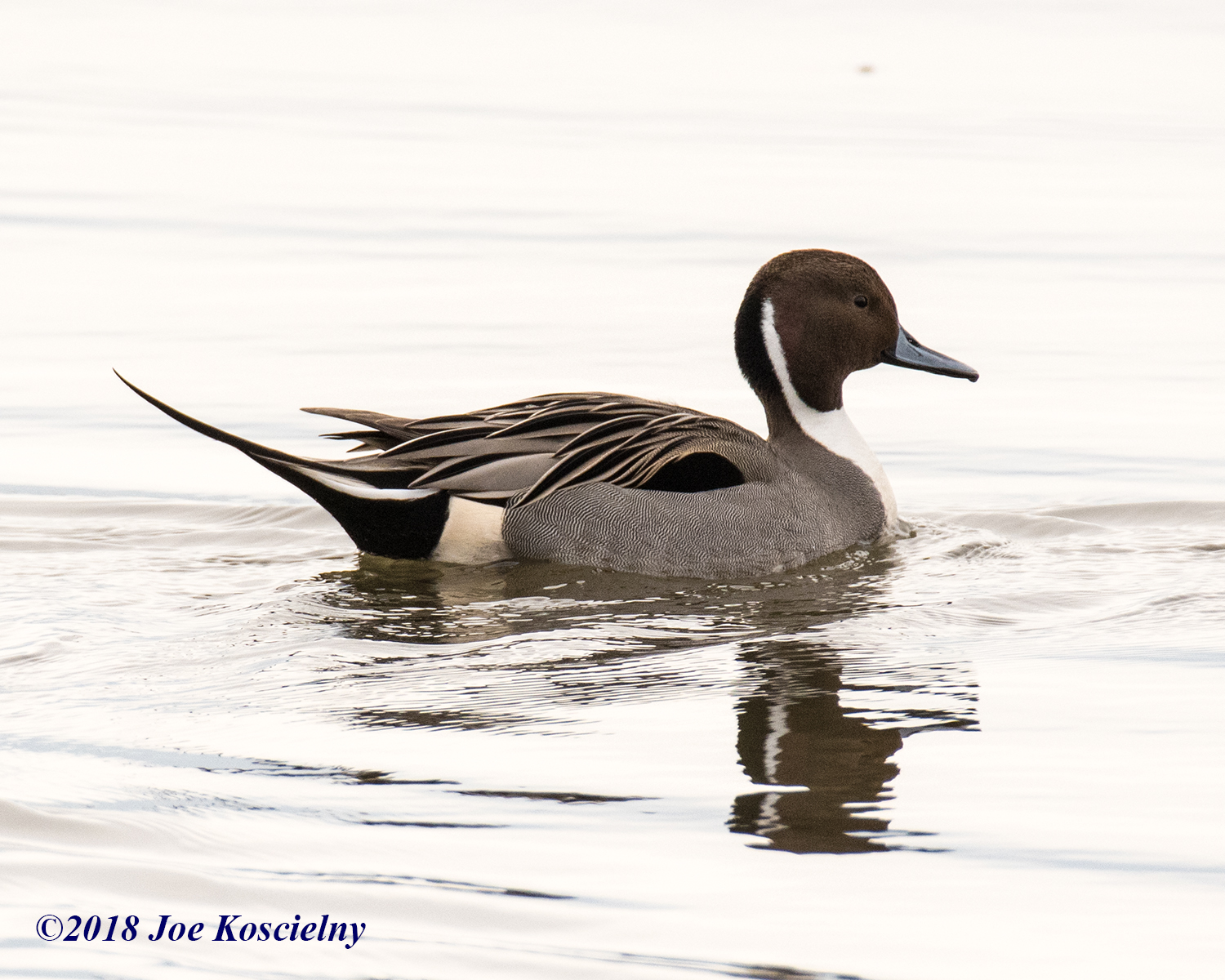
Northern Pintail


Common Mergansers
Here are some awesome Super Bird Sunday photos of a variety of waterfowl and eagles taken by the BCAS’ Joe Koscielny. We’ll have more later today. Thanks Joe!
Northern Pintail
Northern Pintail
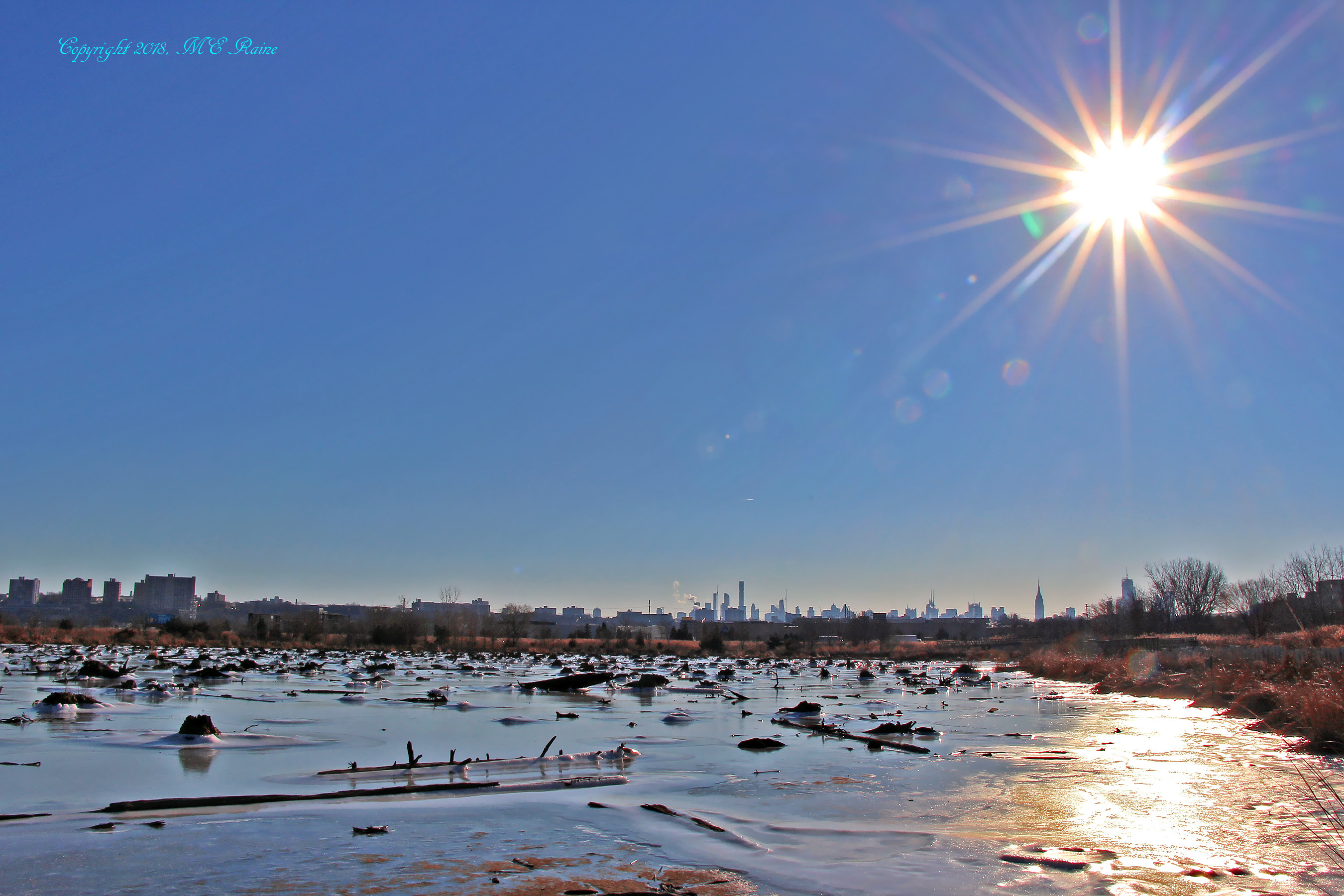
Thanks to Mickey Raine who provided these awesome photos of the ancient cedar stumps in Mill Creek Marsh this past cold, sunny Saturday. Great work!


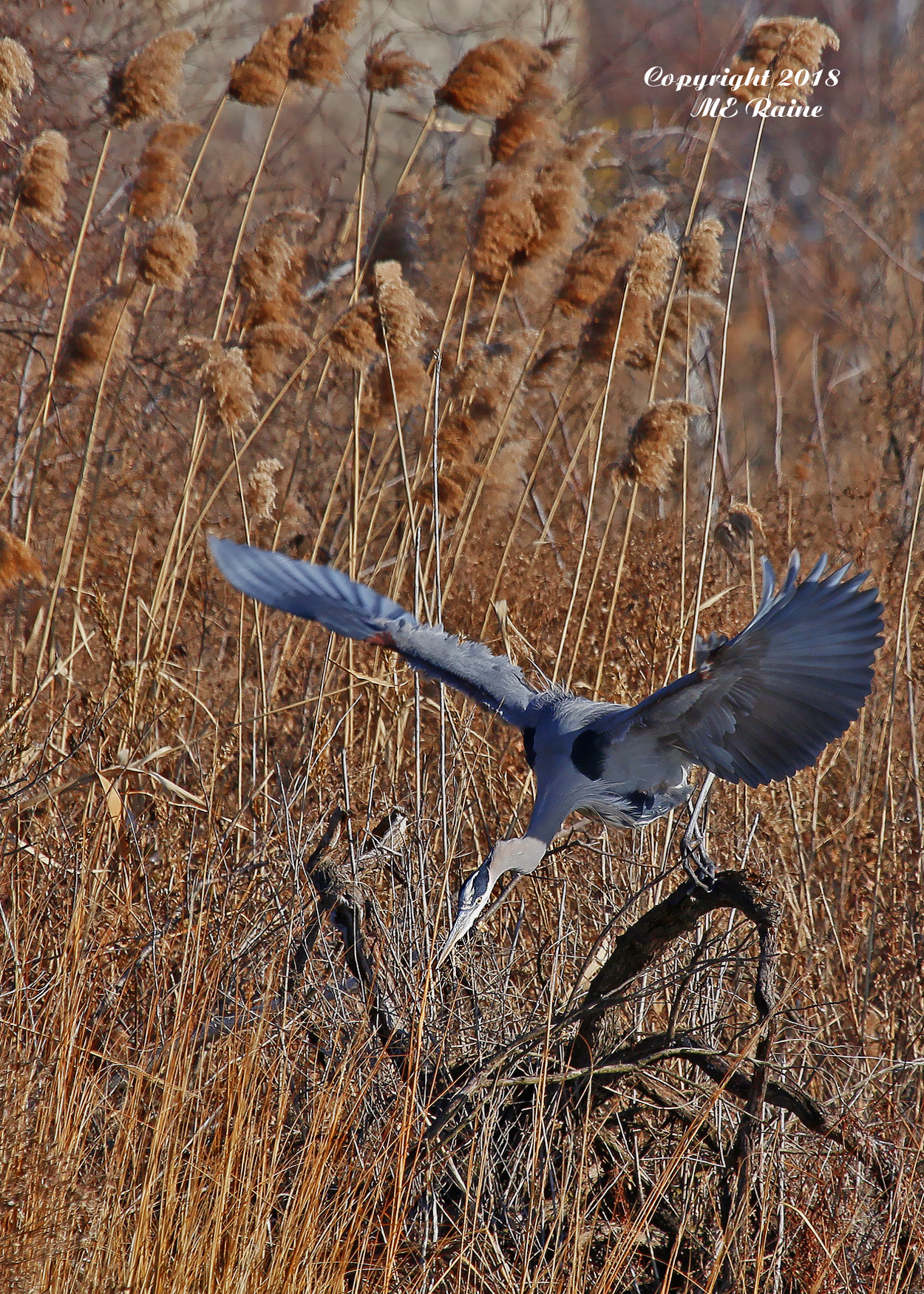 Love these shots of a Great Blue Heron taken by Mickey Raine on Saturday at Mill Creek Marsh. Thanks Mickey!


Jim Wright
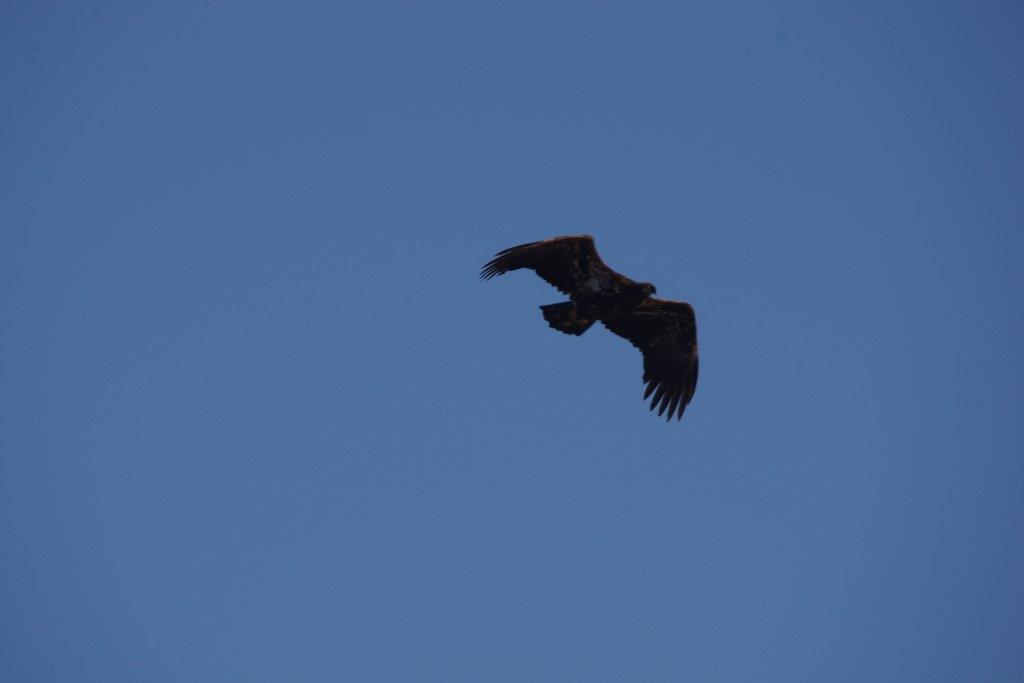
The Philadelphia Eagles were flying high after capturing their first Super Bowl victory on Sunday night. But they weren’t the only ones soaring. Hours earlier, several of the raptors were seen during the Bergen County Audubon Society’s annual Super Bird Sunday walk at DeKorte Park. Jim Wright of the Celery Farm and Beyond blog captured the photo above. Stay tuned for more photos to come.

Participants were treated to Eagle Cookies courtesy of the BCAS’ Marie Longo


This Eagle couldn’t help but fly over the home of the New York Giants. Great shot by our own Angelo Urato today. Below are some more eagle photos by Angelo as they fly over the Hackensack River. Maybe they’re headed to Minnesota for this Sunday’s Super Bowl match up with the New England Patriots?



https://www.youtube.com/watch?v=Oswg5FfiiXU
In honor of Groundhog Day, thanks to Jim Wright! Head over to his Celery Farm and Beyond blog and check out the story behind this great video!

Before you settle in on the couch for the big game between the Eagles and Patriots this Sunday, get out into nature with the Bergen County Audubon Society. They’re leading a nature walk at DeKorte Park from 10 am to noon.
Prizes will be awarded to the first people to spot a bird with the same name as a National Football League team: Eagles, Falcons, Cardinals, Ravens, Seahawk (Osprey), Wood(packer) and “Giant” Great Blue Heron.
For more info contact Don Torino at greatauk4@gmail.com or 201-230-4983

If you are feeding birds in your backyard then you are probably going through bags of birdseed so fast that you might need to take out a second mortgage just to keep your feeders full.
Sometimes it seems that our backyard birds are eating nowhere else but at our feeders all day long 7 days a week. No sooner do you fill them up that they are empty again. The Blue Jays even stare in my window wondering what is taking me so long to bring them out their daily allocation of peanuts.
But things in the backyard may not be entirely as they seem. Ornithologists tell us that birds only get about 10 to 20 percent of their food at our backyard bird feeders. So what else could they be eating out there, especially where there are no feeders to be found?