Give dad the gift of nature this Sunday by taking him out to the Bergen County Audubon Society’s guided nature walk of DeKorte Park in Lyndhurst, the gem of the Meadowlands park system! They’ll be looking for migrants, warblers, flycatchers and more. The walk goes from 10 am to noon. Info: Don Torino at greatauk4@gmail.com or 201-230-4983.
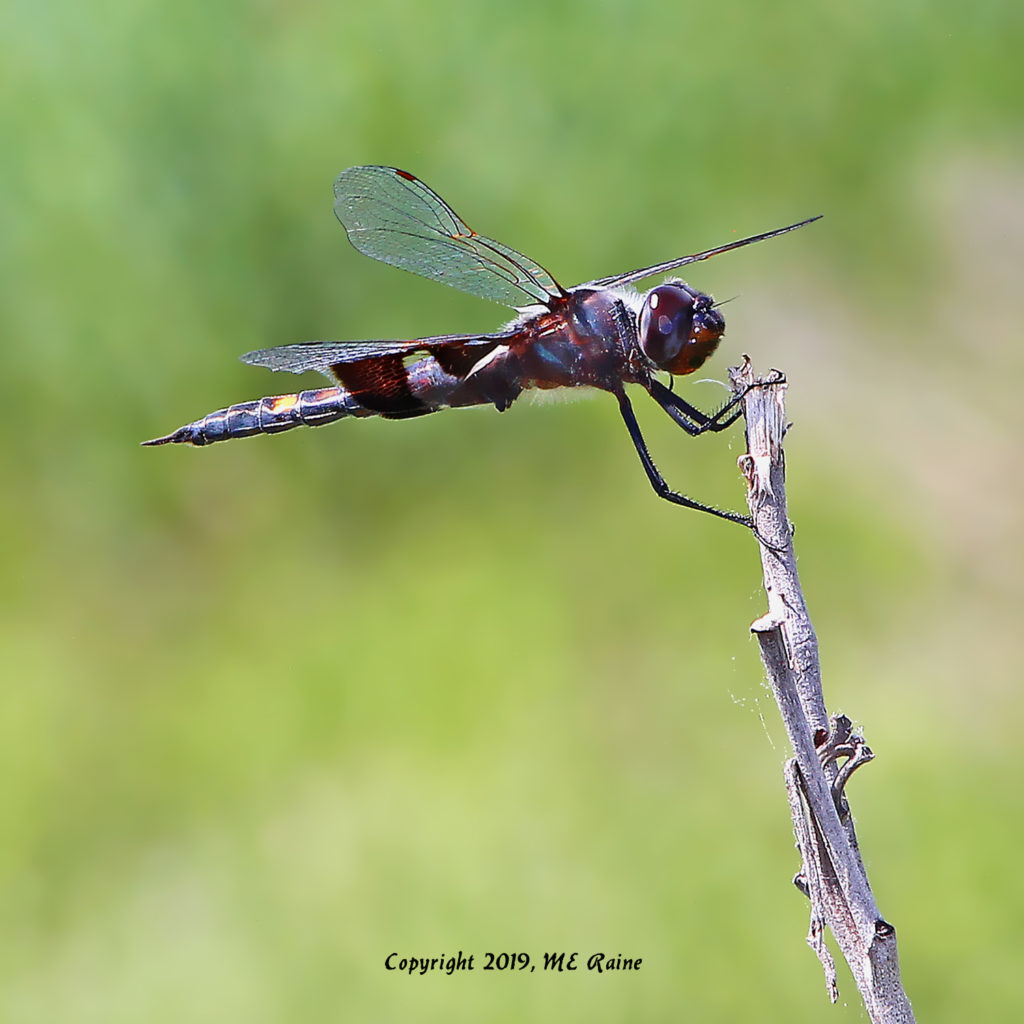
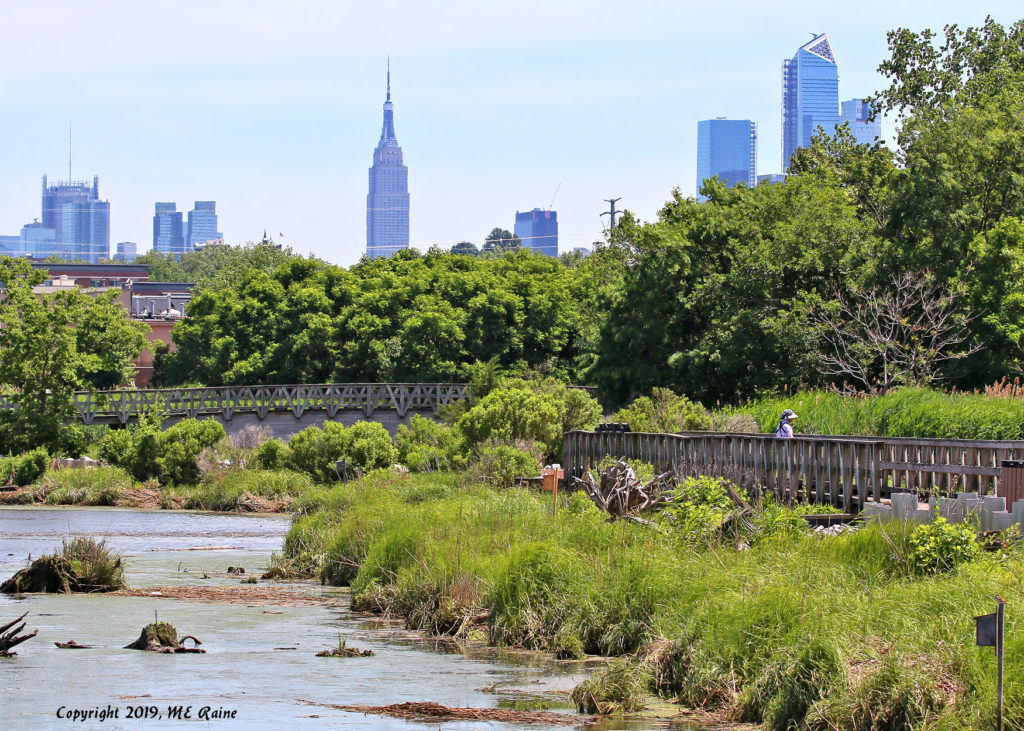
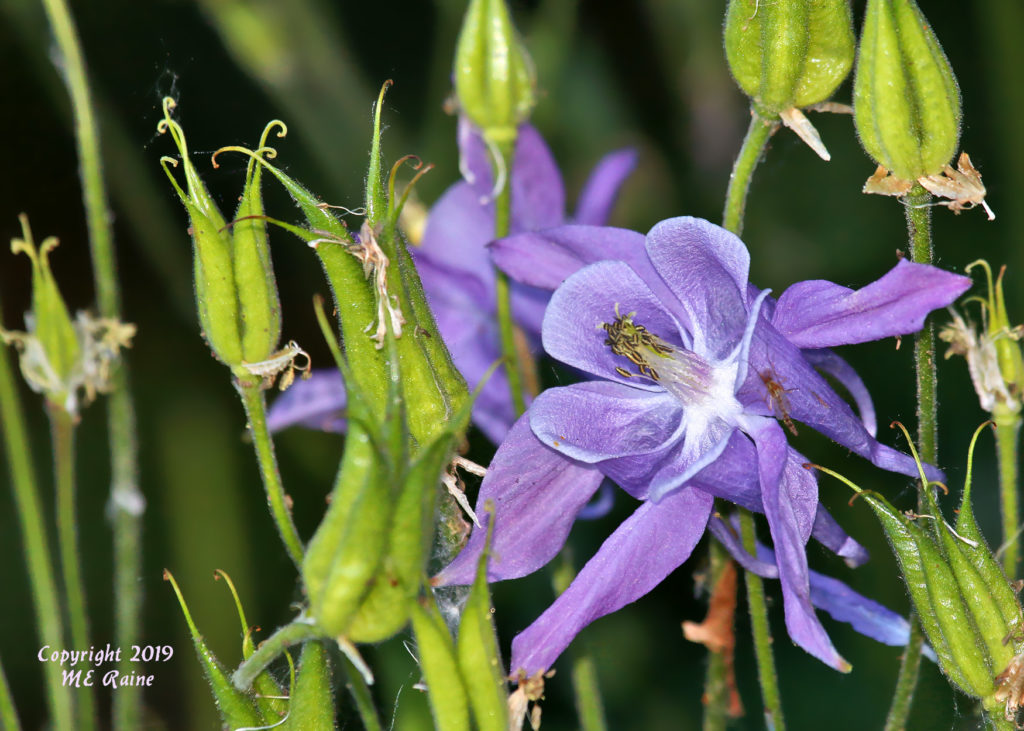
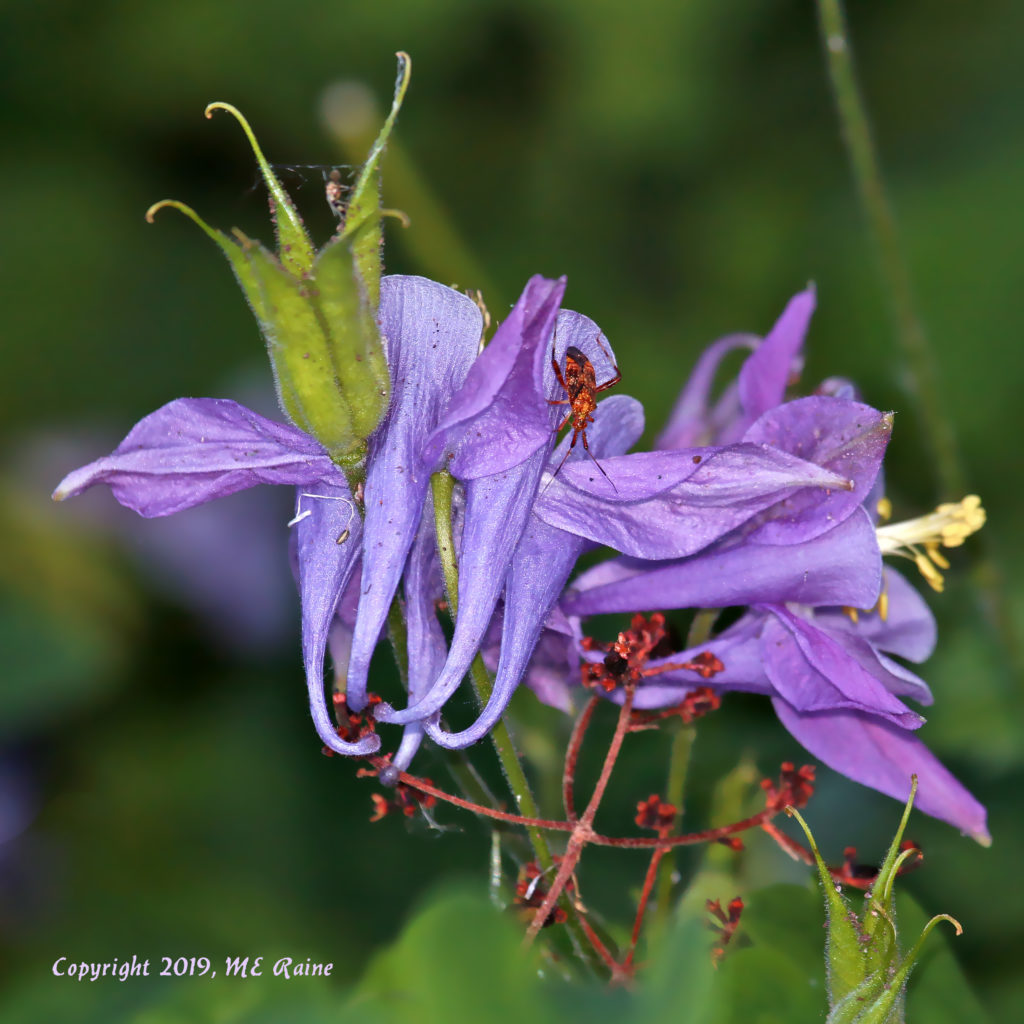
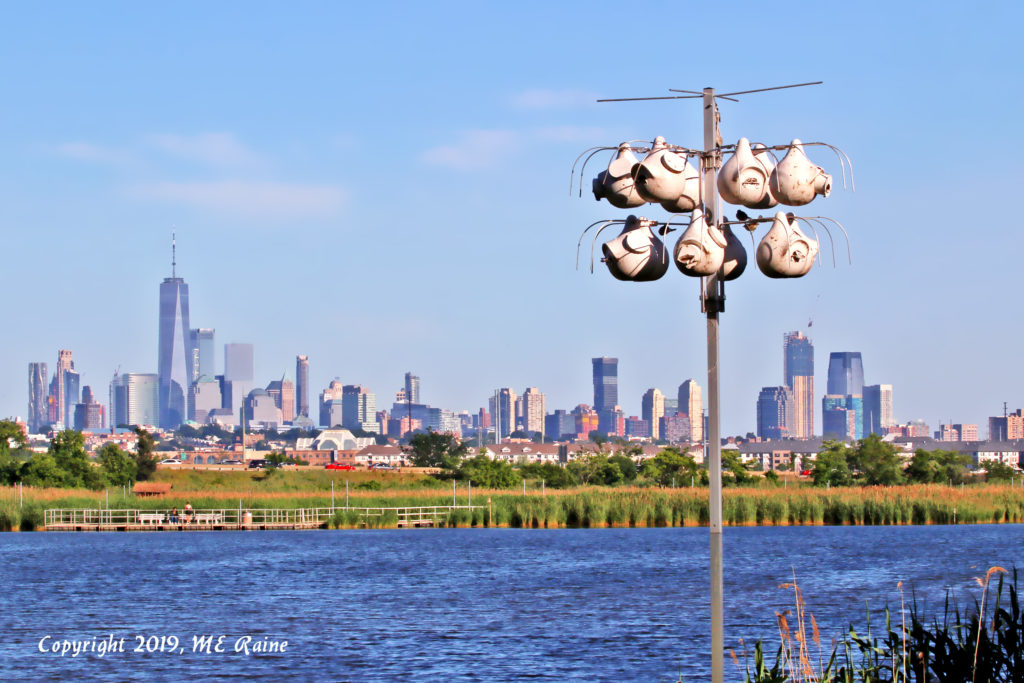
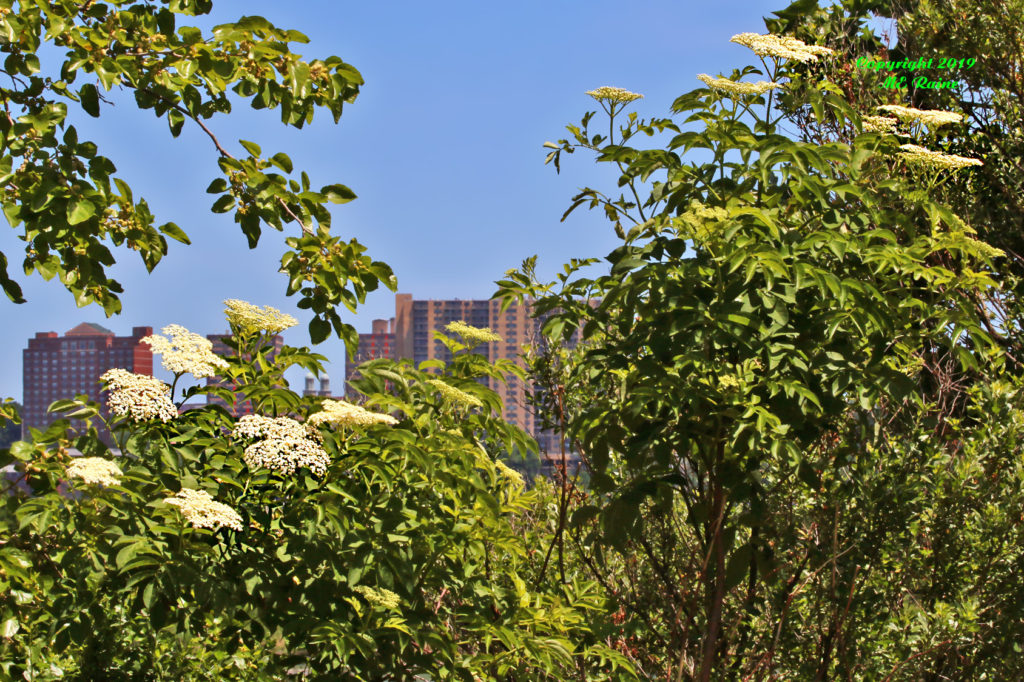
Truly amazing photo of a Black Saddlebags Dragonfly at Mill Creek Marsh taken by Elaine Raine, with more from Mickey Raine at Mill Creek and DeKorte Park. Thanks Mickey and Elaine for these awesome shots!
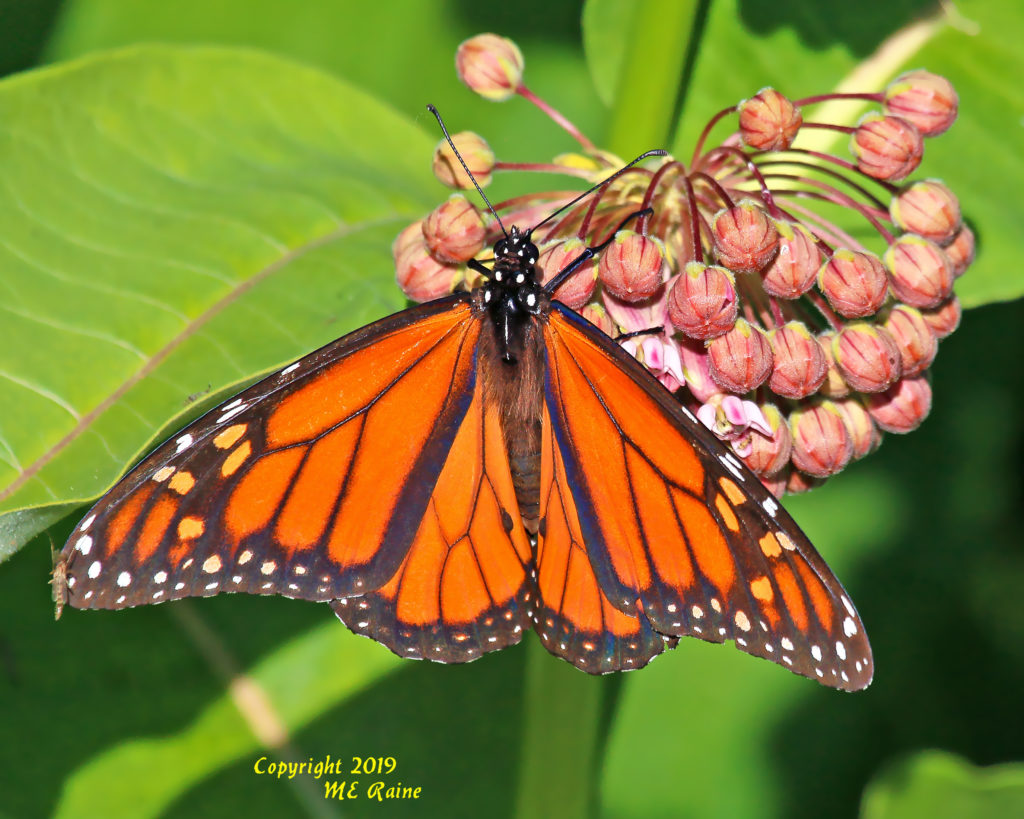
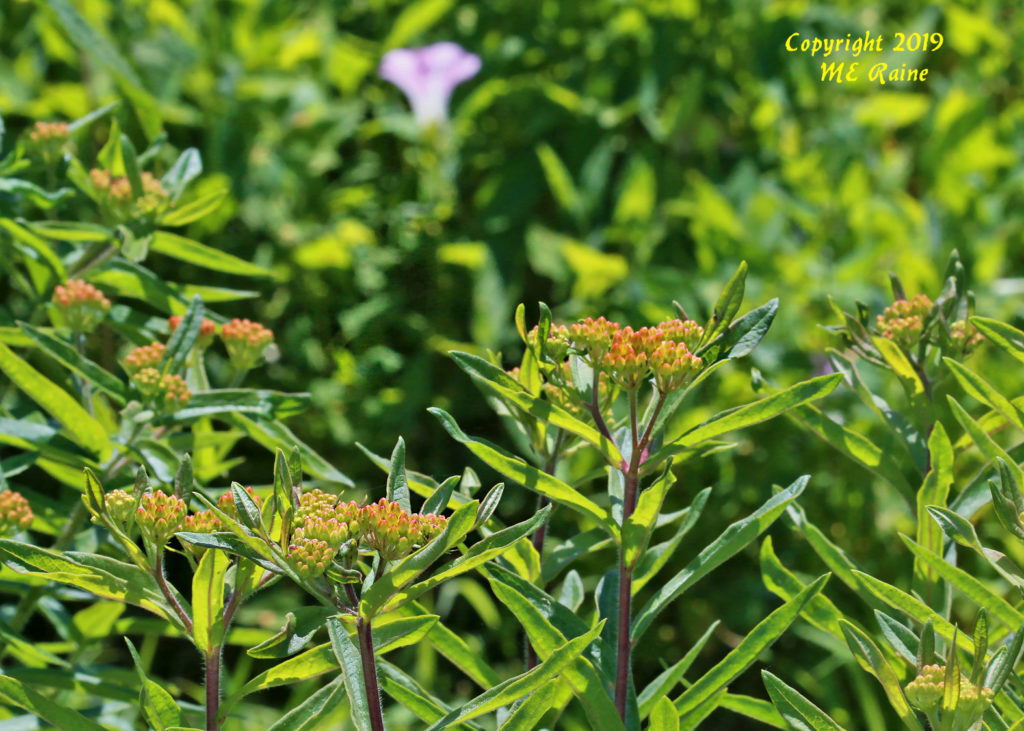
Check out these fantastic photos courtesy of Mickey Raine of the thriving milkweed plants at Mill Creek Marsh. Milkweed is vital to Monarch butterflies. Monarchs cannot survive without milkweed; their caterpillars only eat milkweed plants and monarch butterflies need milkweed to lay their eggs. Thanks Mickey!
Give dad the gift of nature this Sunday by taking him out to the Bergen County Audubon Society’s guided nature walk of DeKorte Park in Lyndhurst, the gem of the Meadowlands park system! They’ll be looking for migrants, warblers, flycatchers and more. The walk goes from 10 am to noon. Info: Don Torino at greatauk4@gmail.com or 201-230-4983.
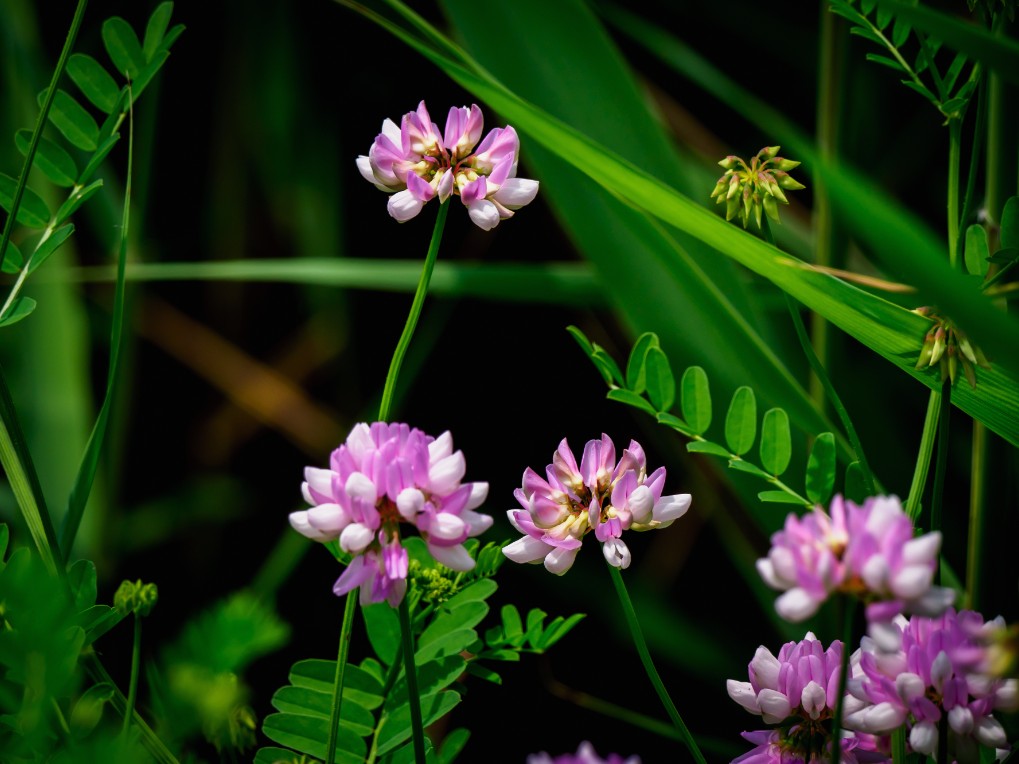
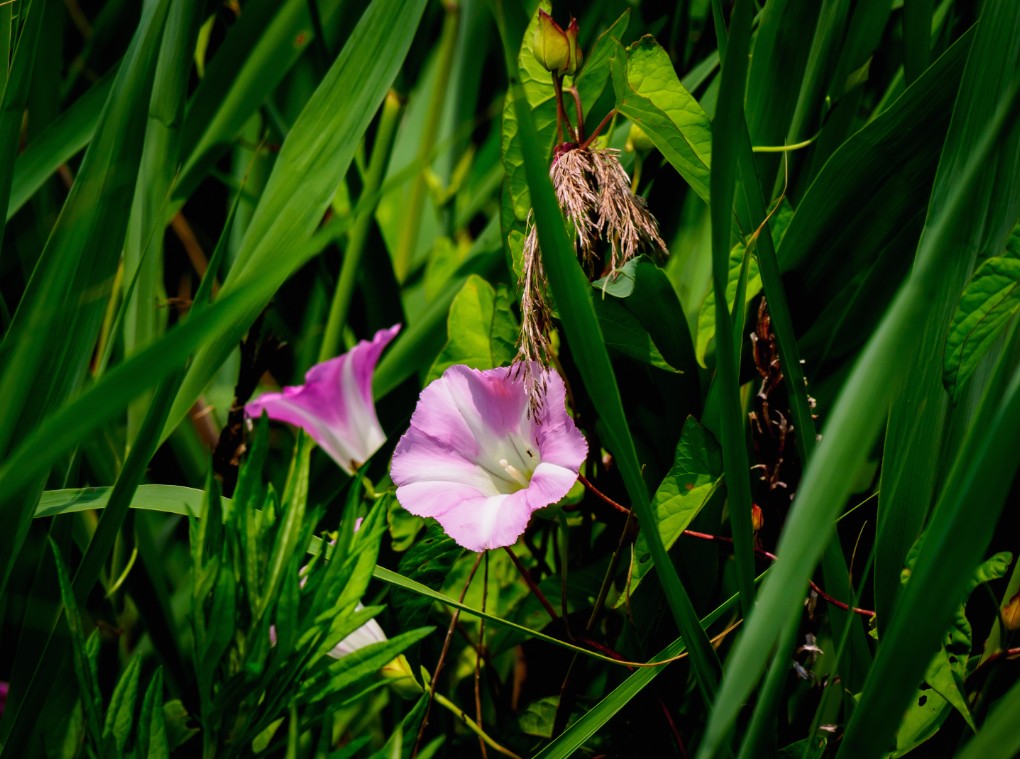
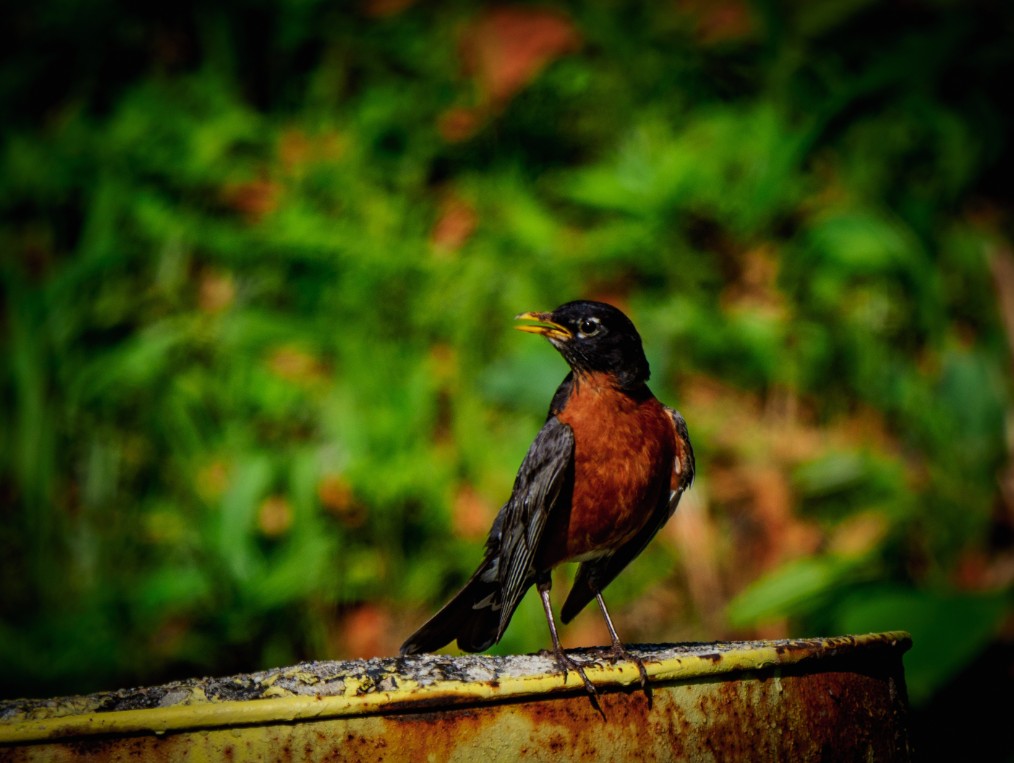
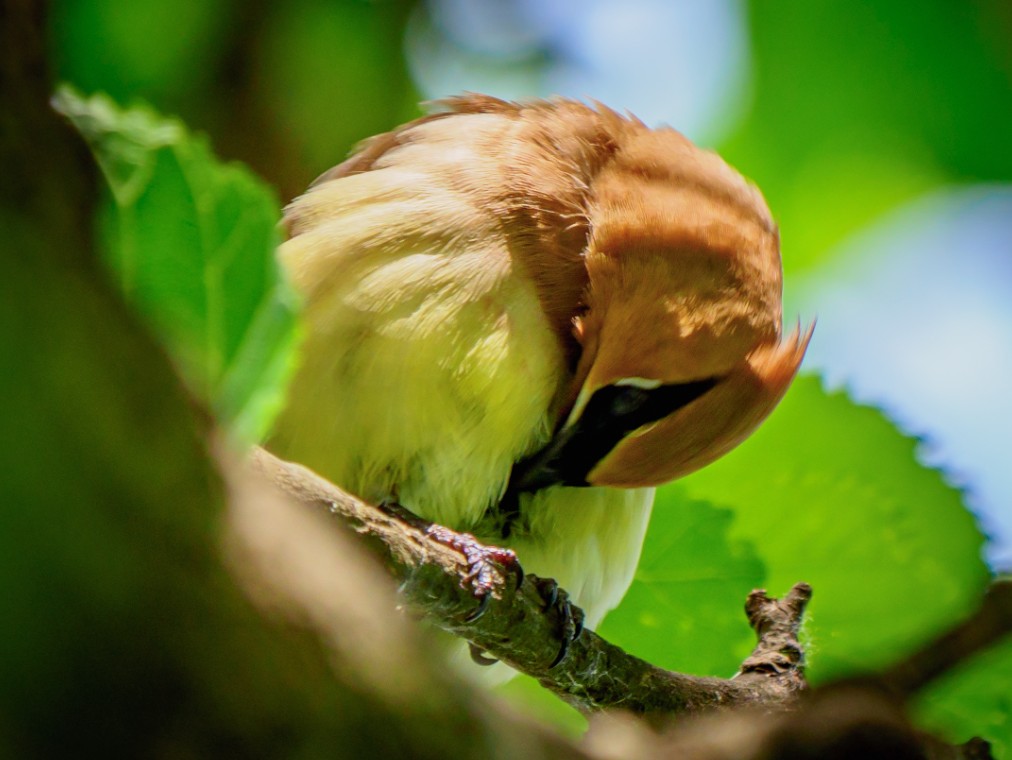
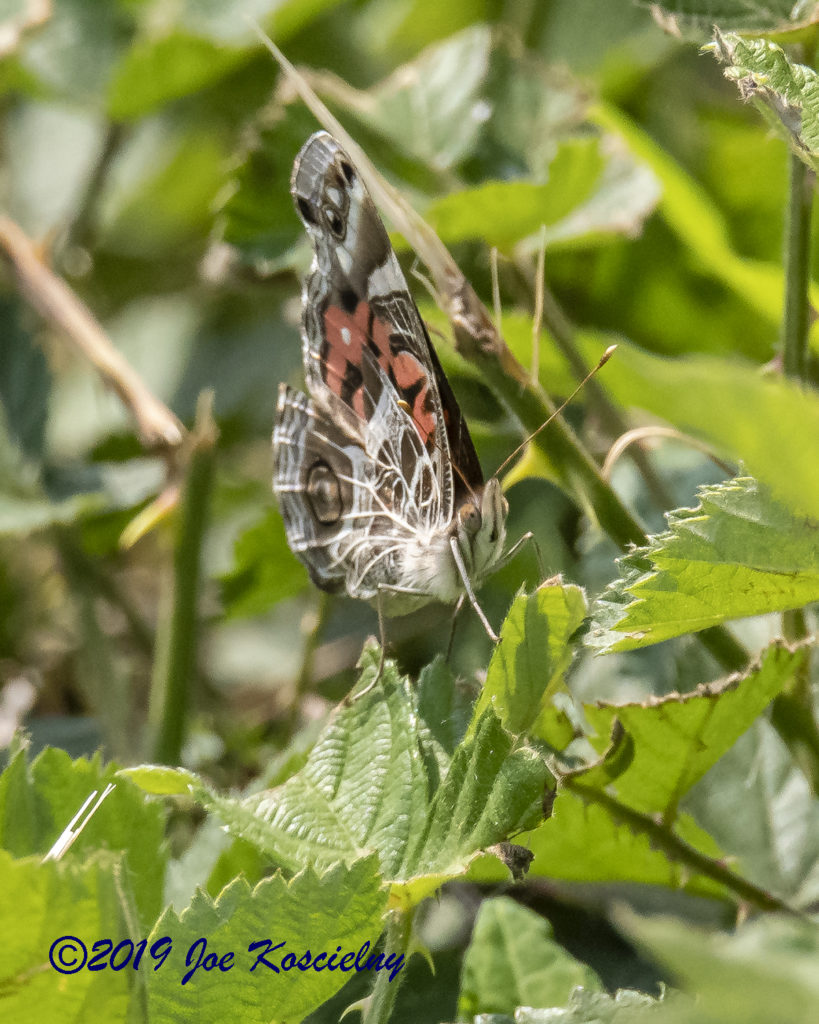
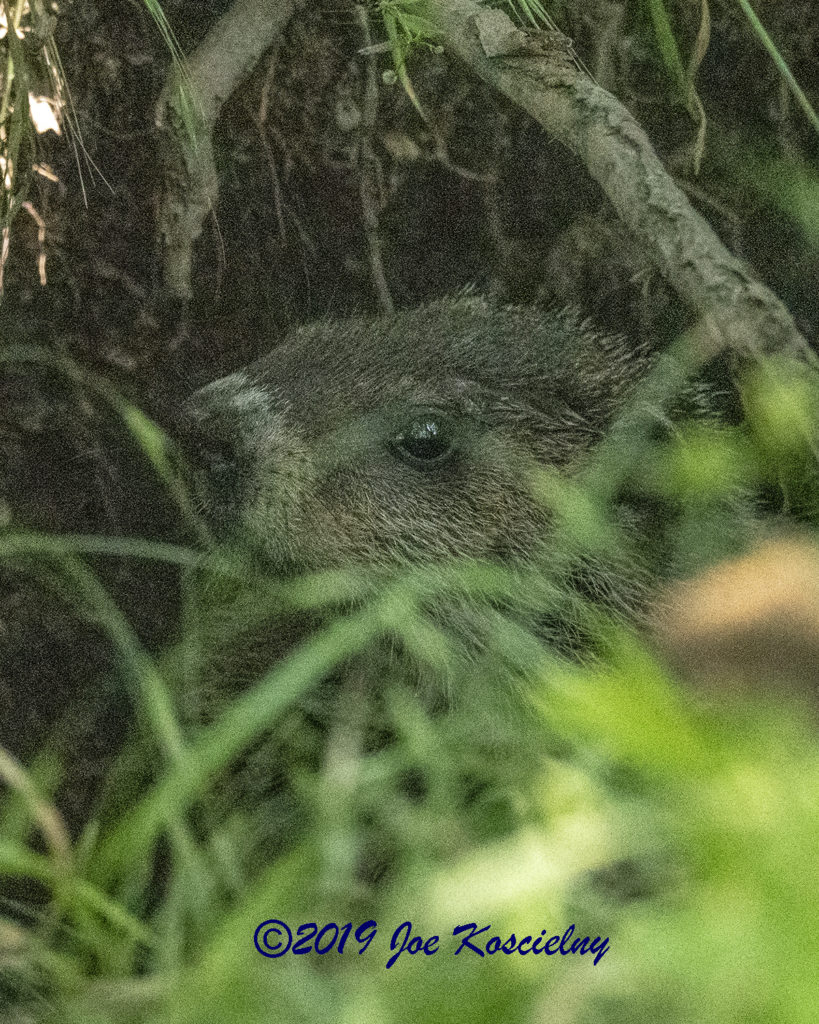
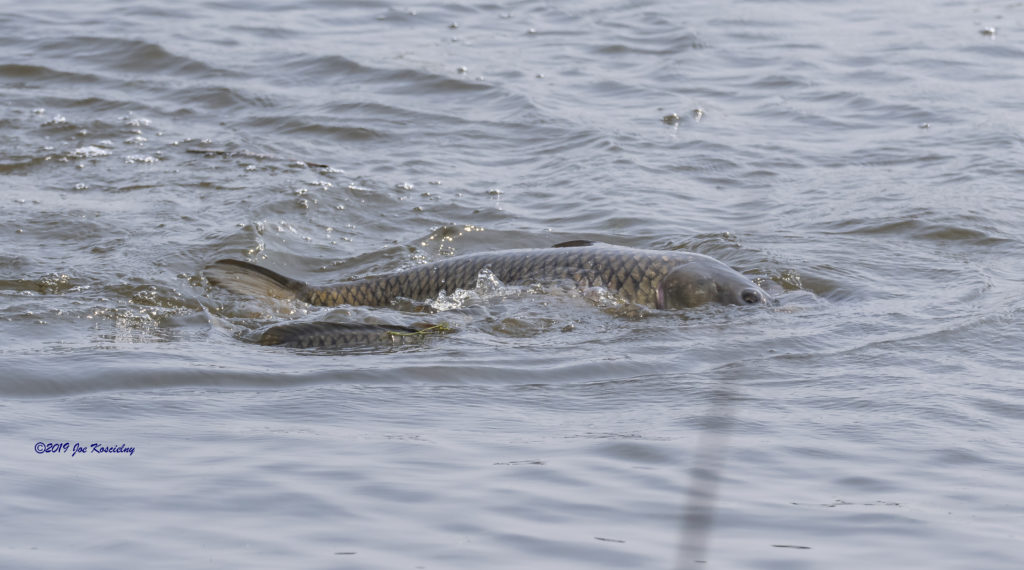
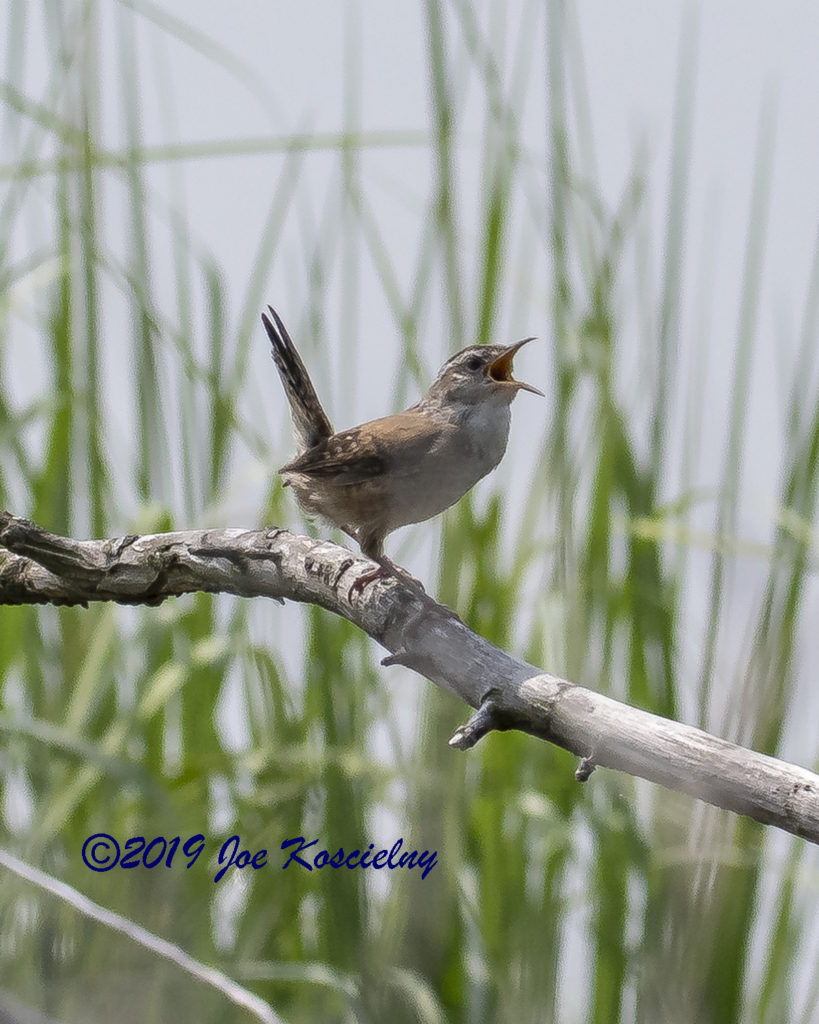
Thanks again to Dave McClure for his photos taken last week around the AMVETS Carillon in DeKorte Park near Disposal Road. Here’s a nice variety of flora and fauna!
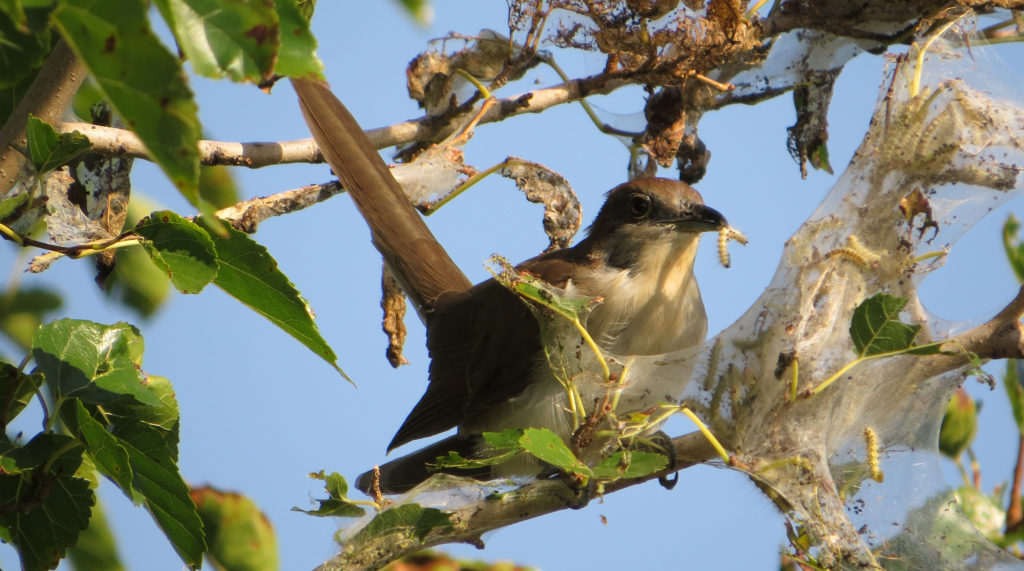
Black-billed Cuckoo Devouring Tent Caterpillars – Courtesy Chris Takacs
As the sun began to set angry neighbors gathered in
backyards across the surrounding neighborhoods.
With raised pitchforks and fists high in the air just
like an old Frankenstein movie the torches ominously began to be lit. Guttural
threatening voices now murmured under the backyard trees. Ugly things like “Let’s
get them” and “Not in my Neighborhood!” were being strewn about as mob
mentality began to overwhelm the crowds. Now they slowly moved in to carry out their
dastardly deed against an innocent and misunderstood neighborhood resident.
This scary scene repeated itself every spring when I
was growing up and for years I thought the neighborhood uprising was justified.
But as I came to realize my otherwise well-meaning fellow citizens had been
sadly mistaken. Unfortunately many folks have still not gotten the message
and the misinformation still exists and continues
to bring the village wrath to a creature they know little about.
The target of this neighborhood outcry is of course
the Eastern Tent Caterpillar, and never in the history of suburbia has there
been another creature more maligned and misunderstood than this hairy and hungry
leaf munching backyard caterpillar.
Tent Caterpillars
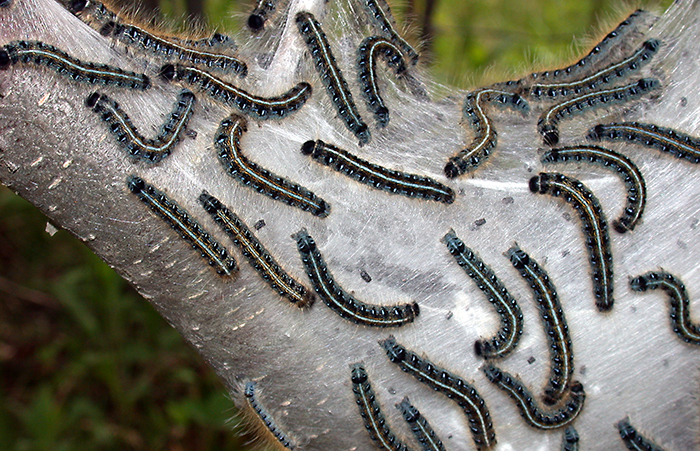
The Eastern Tent Caterpillar is a very social
creature and their silk tents may contain hundreds. The tent formed at the end
of branches, especially on Cherry and Apple trees, are pretty amazing in
themselves. They offer some protection from enemies, and are like a
home-base where the caterpillars can
travel out to feeding areas. The tents are also like little greenhouses which
catch the morning sun to warm themselves and they can move about the tent since
different layers can cool or warm them. It’s like having central air and heat.
For a time scientists believed that no birds or any
other creature for that matter made a meal of Tent Caterpillars but we now know
that everything from Orioles to Blue Jays, reptiles to bats, Black Bears and
even Gray squirrels utilize this juicy
morsel to feed and raise their young. Not to mention the many other insect
species that prey on this fuzzy hors d’oeuvre.
But there are a couple of birds
that put the Tent Caterpillar at the top of their specialized cuisine .
Both the Black-billed and Yellow-billed Cuckoo
consider Tent Caterpillars a delicacy and readily devour them along with the
fall web-worm whenever they are available. According to Cornell’s “All About
Birds” a single Yellow-billed Cuckoo
can eat thousands of caterpillars per season. On the East Coast, periodic
outbreaks of tent caterpillars draw cuckoos to the tent like webs, where they
may eat as many as 100 caterpillars at a sitting!
And then of course
there is the worry and panic among backyard gardeners as they watch the bushy
bandits defoliate their favorite tree. Well, there is nothing to fear because unless
the tree is sick and diseased to begin with it will be just fine and the leaves
will grow back like nothing ever happened just as nature intended . And by the
way the Fall Webworm, which makes a different kind of tent in late summer and
fall is also an important food source and is equally misunderstood.
For those so called
backyard warriors that attempt chemical warfare against these caterpillars
please note that whether you choose biological or chemical they both kill indiscriminately.
So your Monarchs and Swallowtails that you love so much including many
beneficial insects will be collateral damage in the attempt to needlessly control
this misunderstood creature .
The way we treat our
backyards and the garden methods we use in the end will determine the fate of
many migratory birds. Learning to understand the cycle of life and all the
creatures that are a part of it will make a healthier place for not only
wildlife but also for all of humankind.
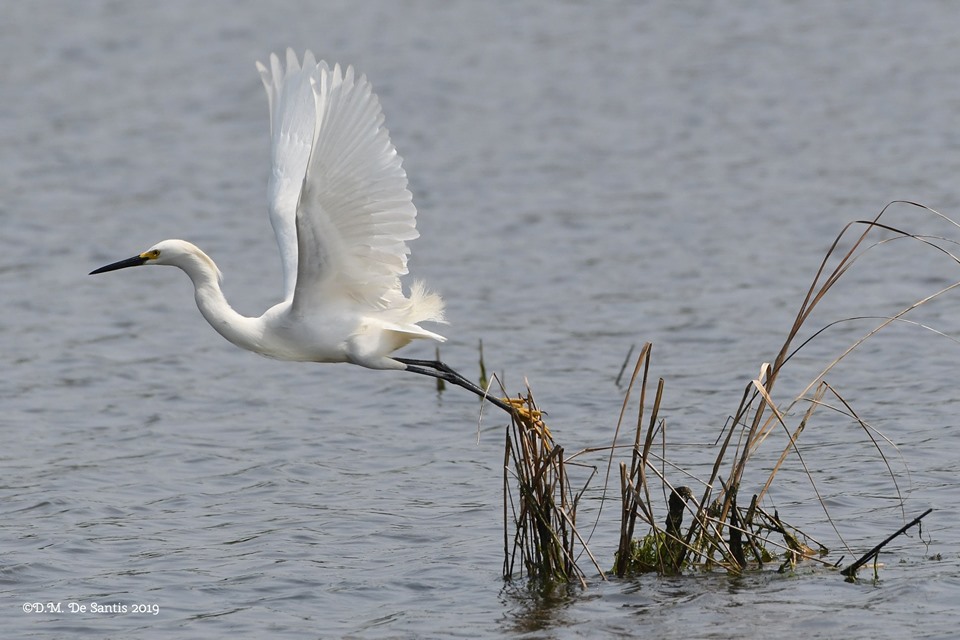
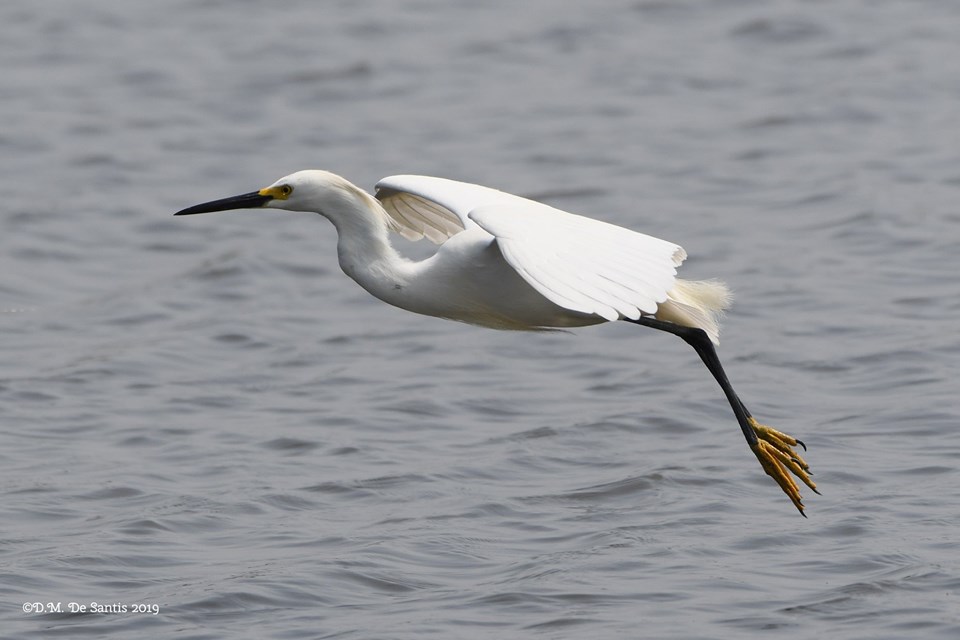
Thanks much to Dee De Santis for this cool series of a Snowy Egret taking off in the Mill Creek Marsh during this past Sunday’s Bergen County Audubon Society walk!