Author Archives: Brian Aberback

Yoga Class This Monday!

jessica-verdina1-A

Join us this Monday, March 21, from 6 to 7 pm for Evening Yoga at the Meadowlands Environment Center.

Adults of all ages/levels welcomed — focus on alignment, flow and warmth followed by a restorative pose to unwind the body and mind for bed.  Open to all levels of students-beginner to advanced, ages 14 and up. Poses can be modified to accommodate all levels. Additional session on Monday, April 18.

Cost is $10. To register, click here.

Hope to see you Monday!

Don Torino’s Life in the Meadowlands: What is a “Birder” Anyway?

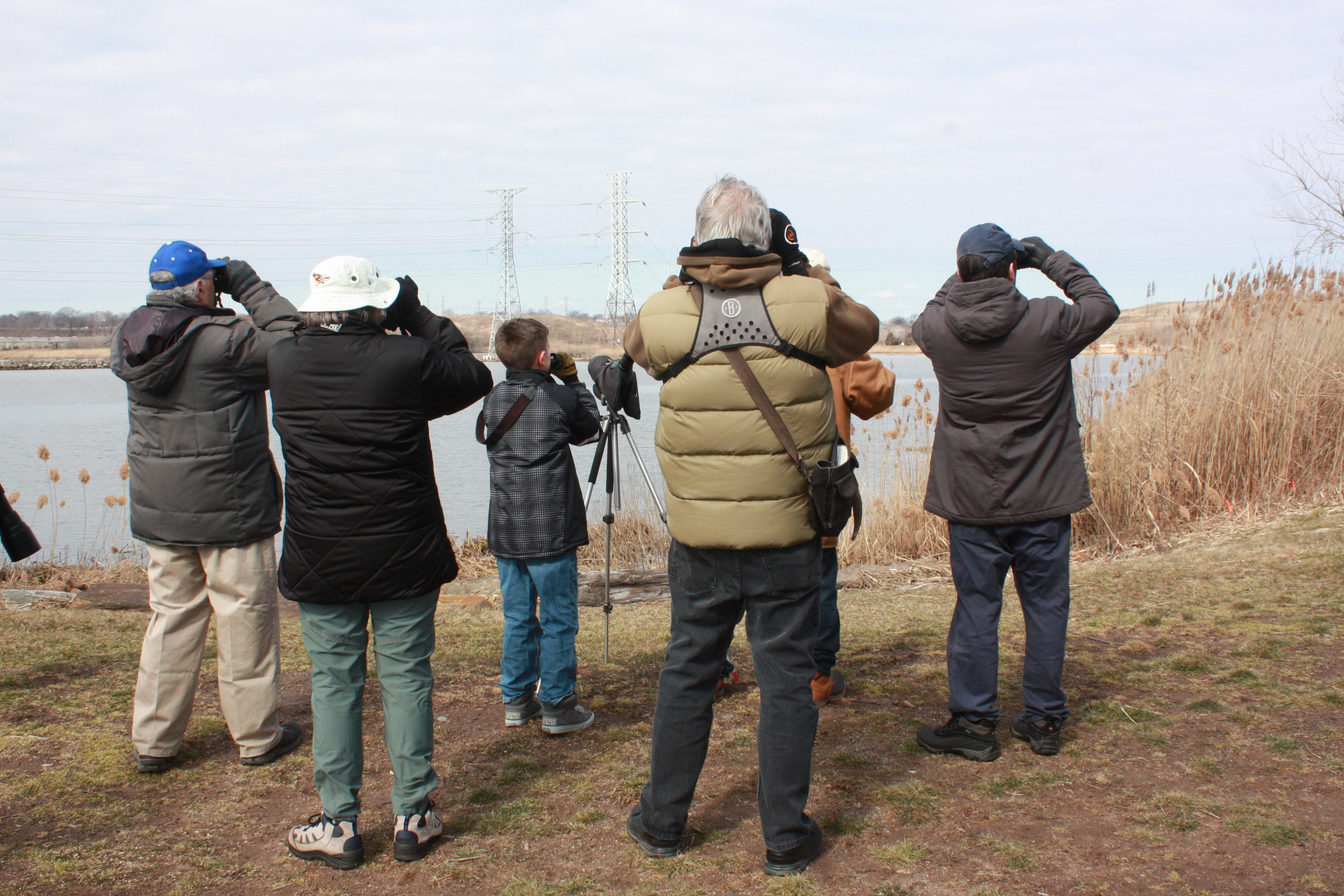
DeKorte Walk 3.6.16 4

A while back a news reporter came along on one of our field trips, and as reporters often do, they ask a general question to allow the readers to learn something about the subject of their story.  “So what is a birder and why do you consider yourself a birder?” the young correspondent asked me with kind of a smirk.

Now, for those that know me, I am rarely at a loss for words, but at that moment I found I was more than a bit speechless.  How was I to explain with a quick comment what it is we love so much in just a few sentences? And why does someone consider themselves a birder?  I think I remember answering his question by saying something dumb like, “We are birders because we enjoy looking at birds.”

Not  very informative to say the least  and a little lacking trying to explain what I have been doing with my life the last 40 or so years, but to this day I have not entirely learned how to answer that question, and I have not come to terms with what exactly is birding and what makes someone a birder ?

Continue reading

Early Spring Arrival

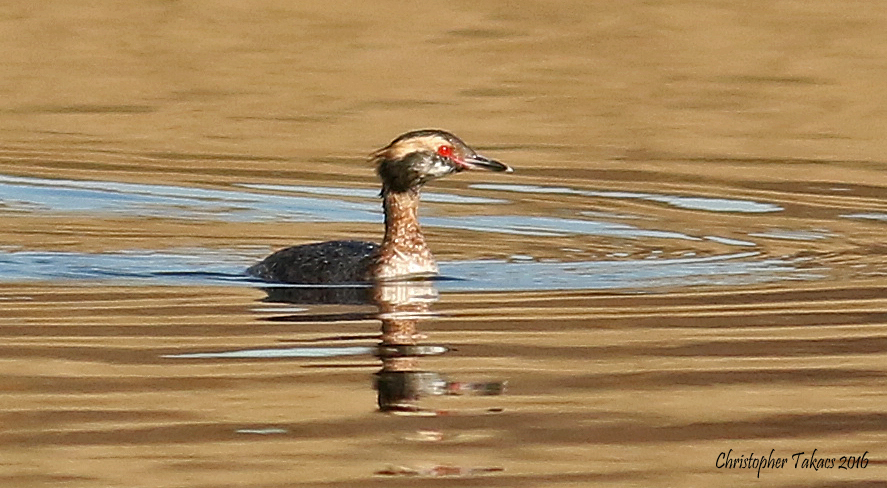
Horned Grebe 2

Chris Takacs took this shot yesterday of a Horned Grebe at DeKorte Park. Chris writes that while it’s common to see the waterfowl in the winter in Liberty State Park and Newark Bay, it’s pretty uncommon here. But the Grebes appear to be making their way north. More than 40 were spotted in the Bayonne and Jersey City area this past weekend.

Laurel Hill Walk Recap

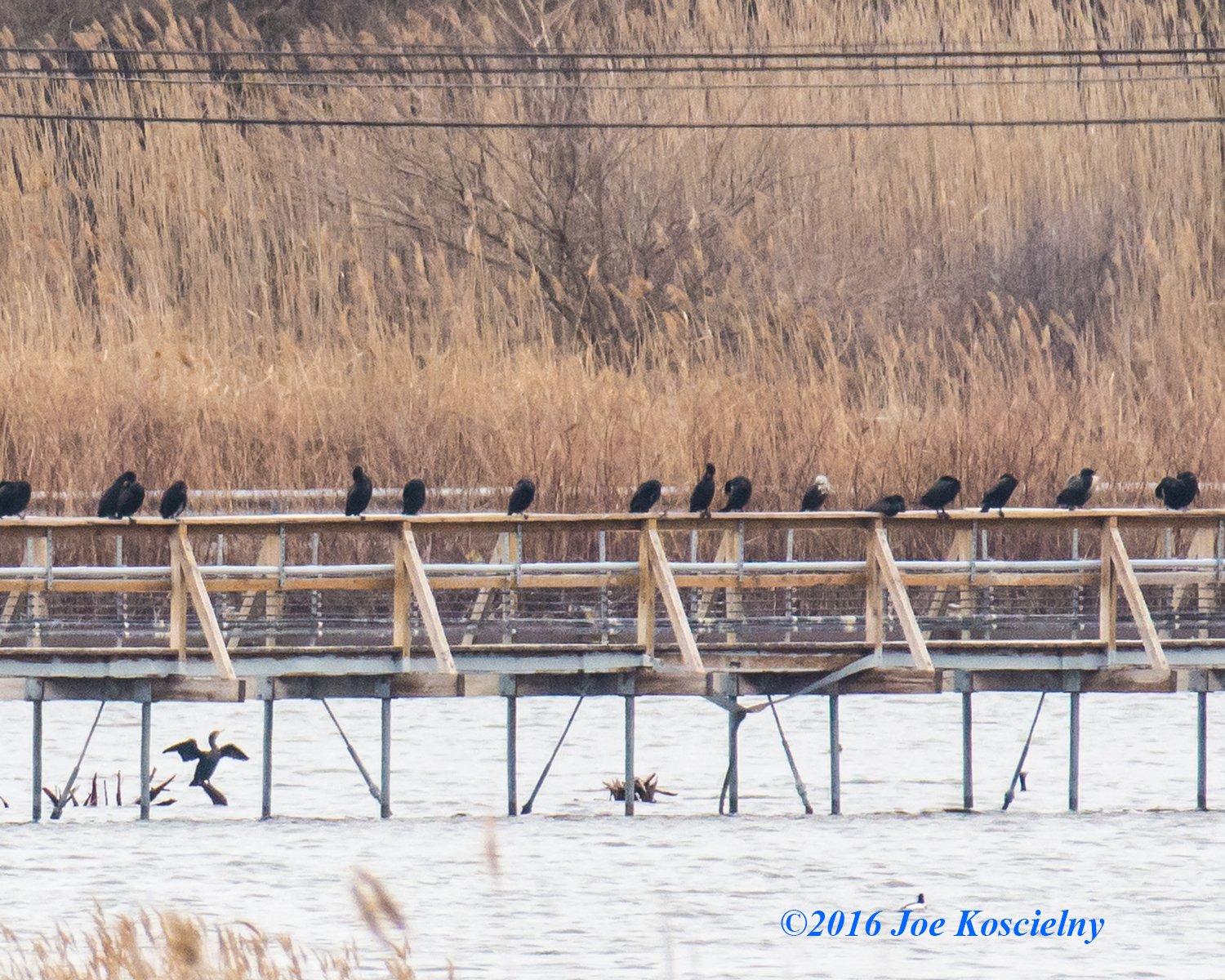
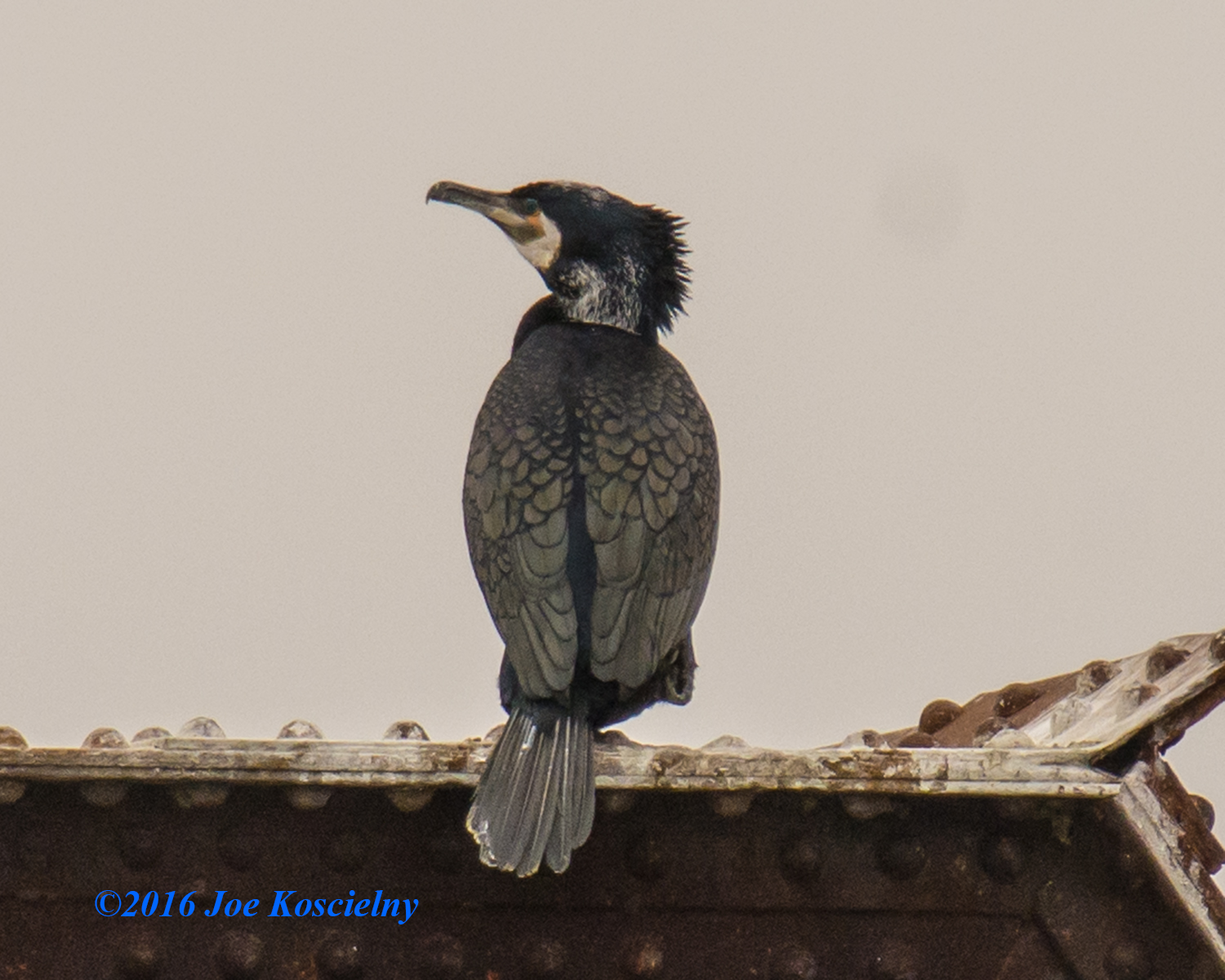
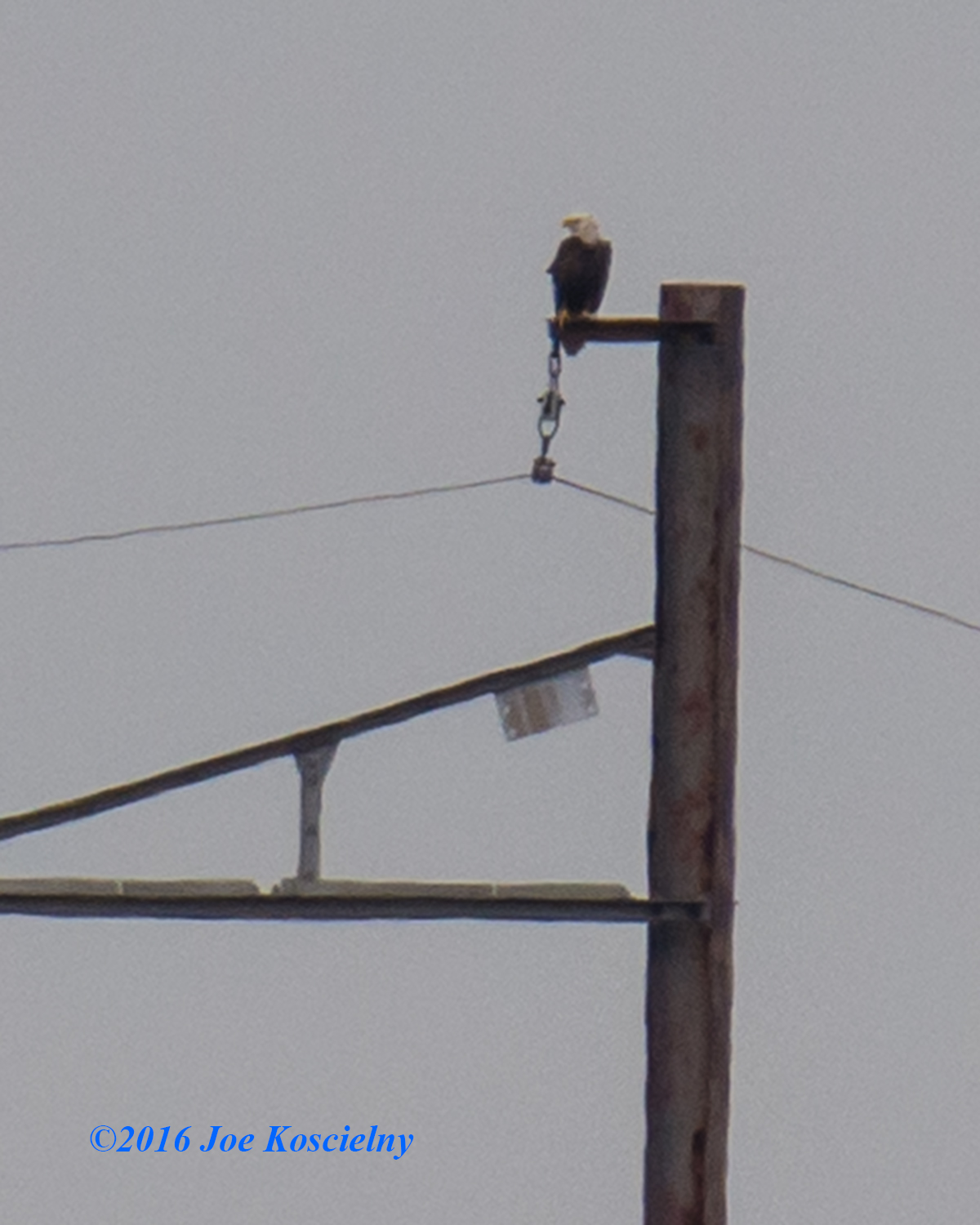
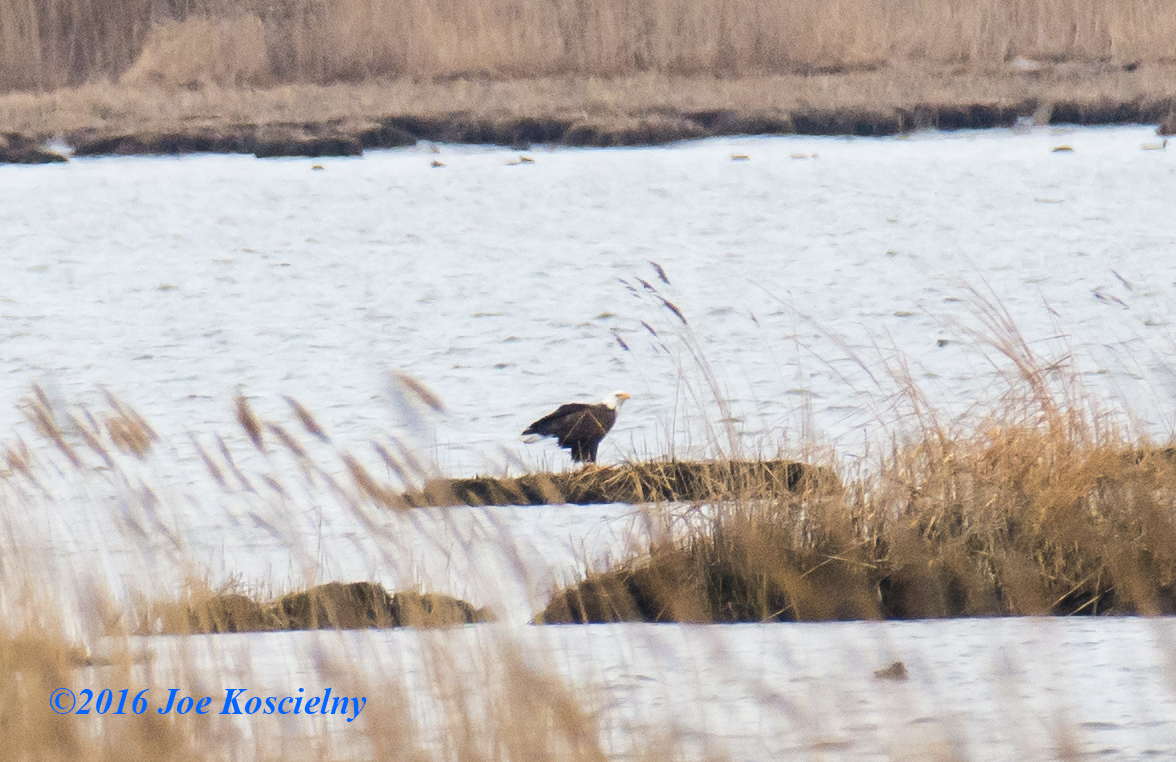
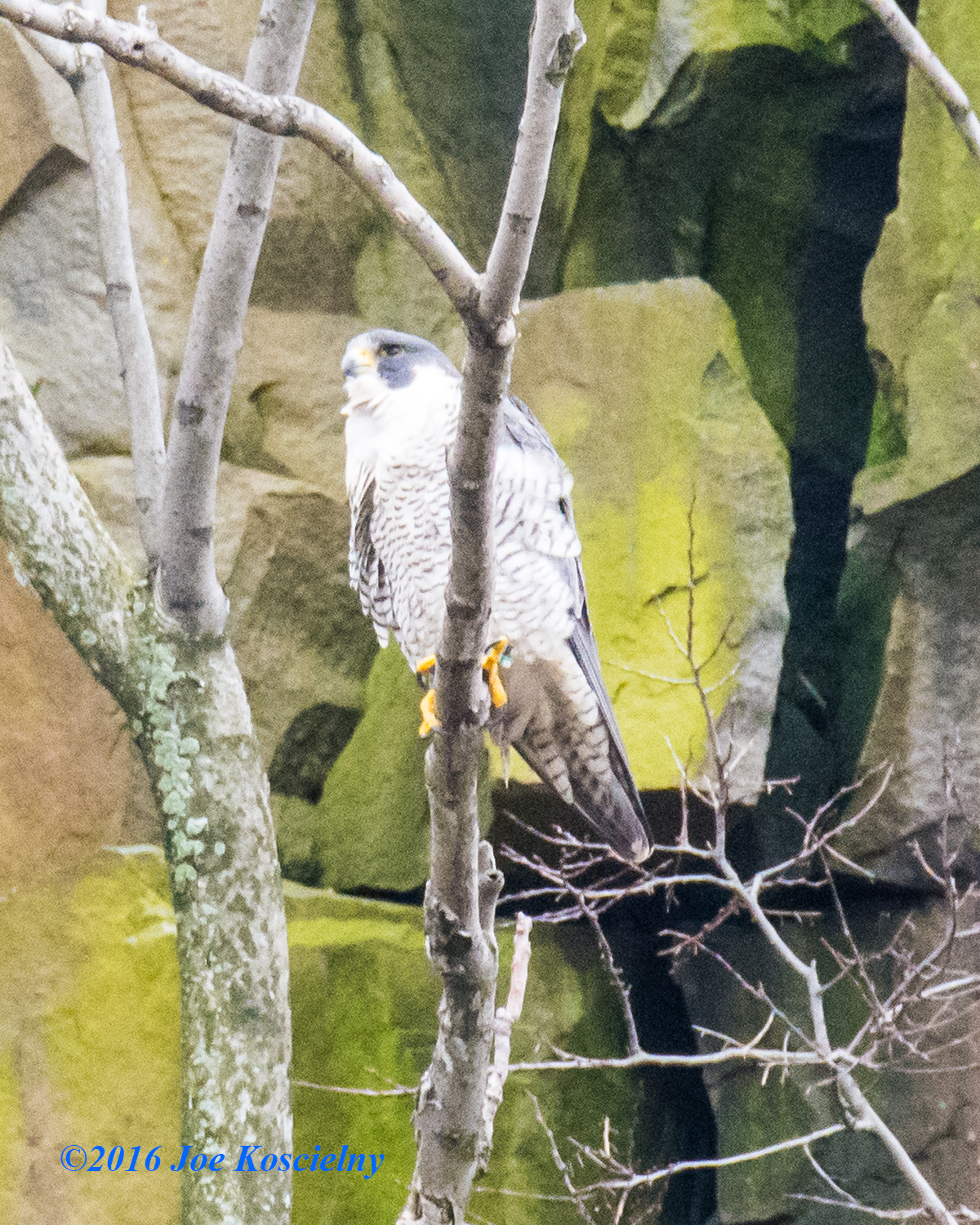
Don Torino of the Bergen County Audubon Society reports that yesterday’s nature walk at Laurel Hill Park in Secaucus proved very fruitful, with sightings of Bald Eagles, Great Cormorants and much, much more.
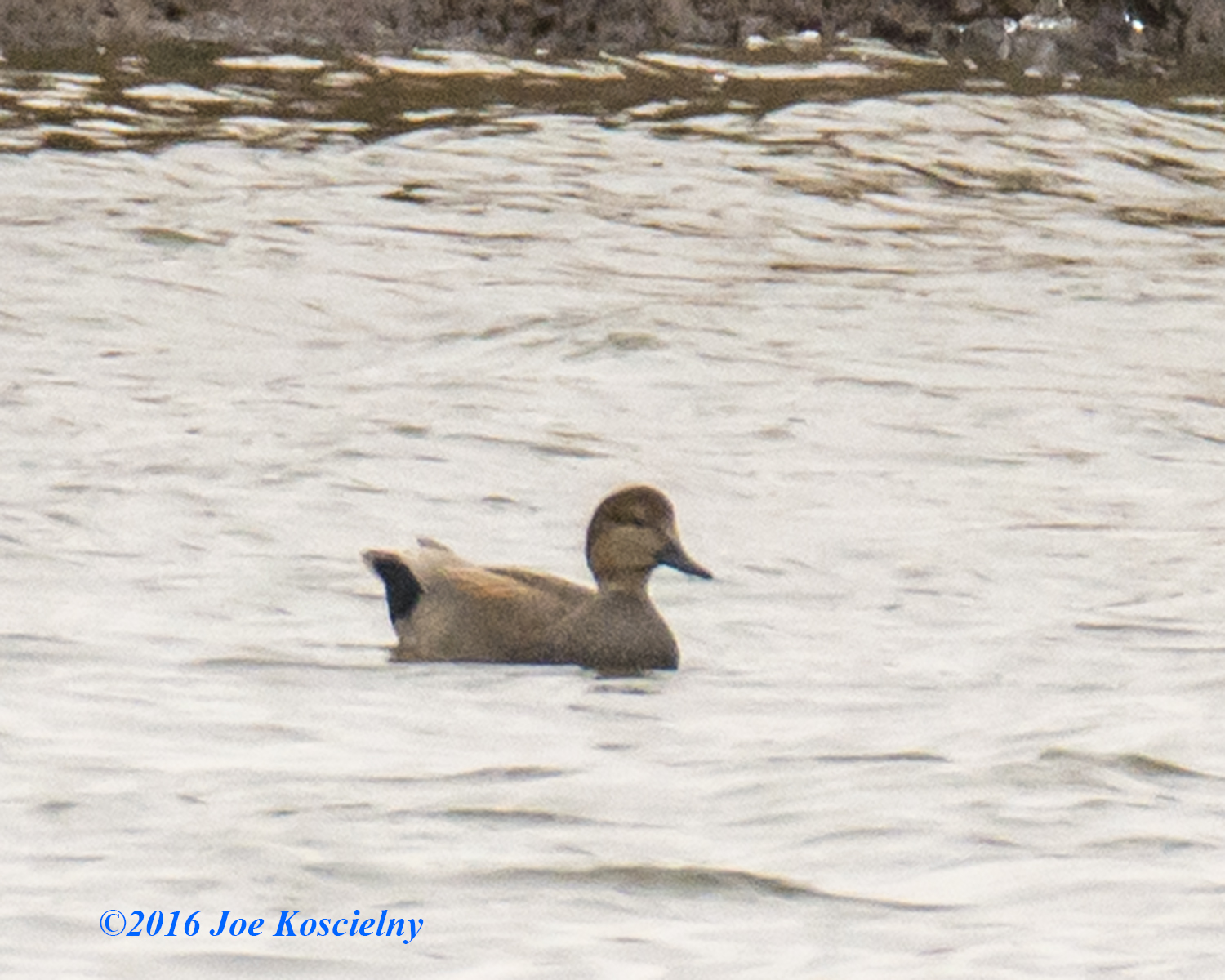
Below is a bevy of great photos from the walk taken by Joe Koscielny.

The BCAS’ next free Meadowlands walk is Sunday, April 3, from 10 am to noon at Harrier Meadow in North Arlington, a beautiful natural area which is normally closed to the public. They’ll be keeping an eye out for lingering waterfowl and early spring arrivals. Meets outside the gate to Disposal Road, which is accessed off Schuyler Avenue. For more information: 201-230-4983 or greatauk4@gmail.com.

Enjoy these photos!

Cormorants

Cormorants

Great Cormorant

Great Cormorant

Adult Bald Eagle

Adult Bald Eagle

Adult Bald Eagle

Adult Bald Eagle

Gadwall

Gadwall

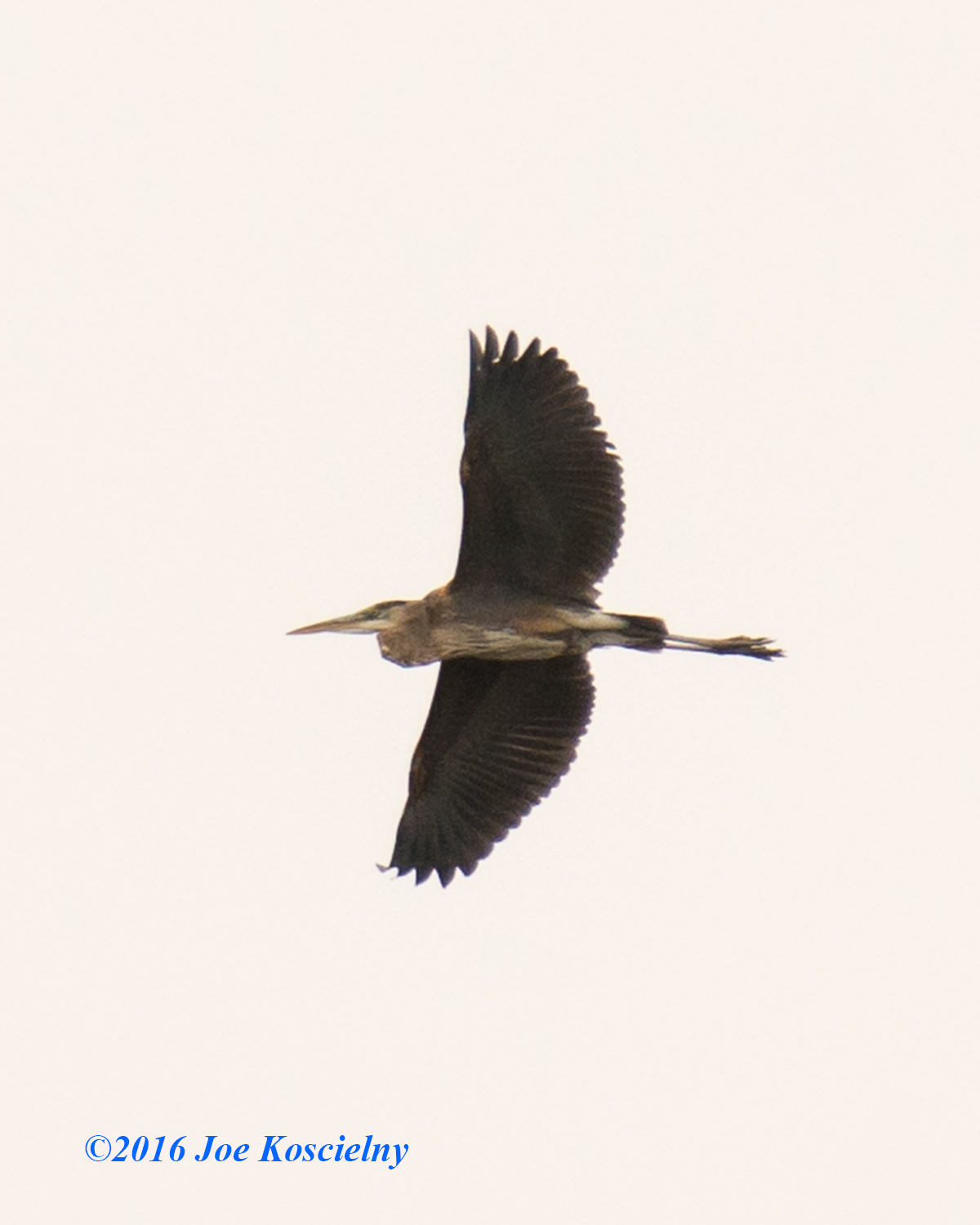
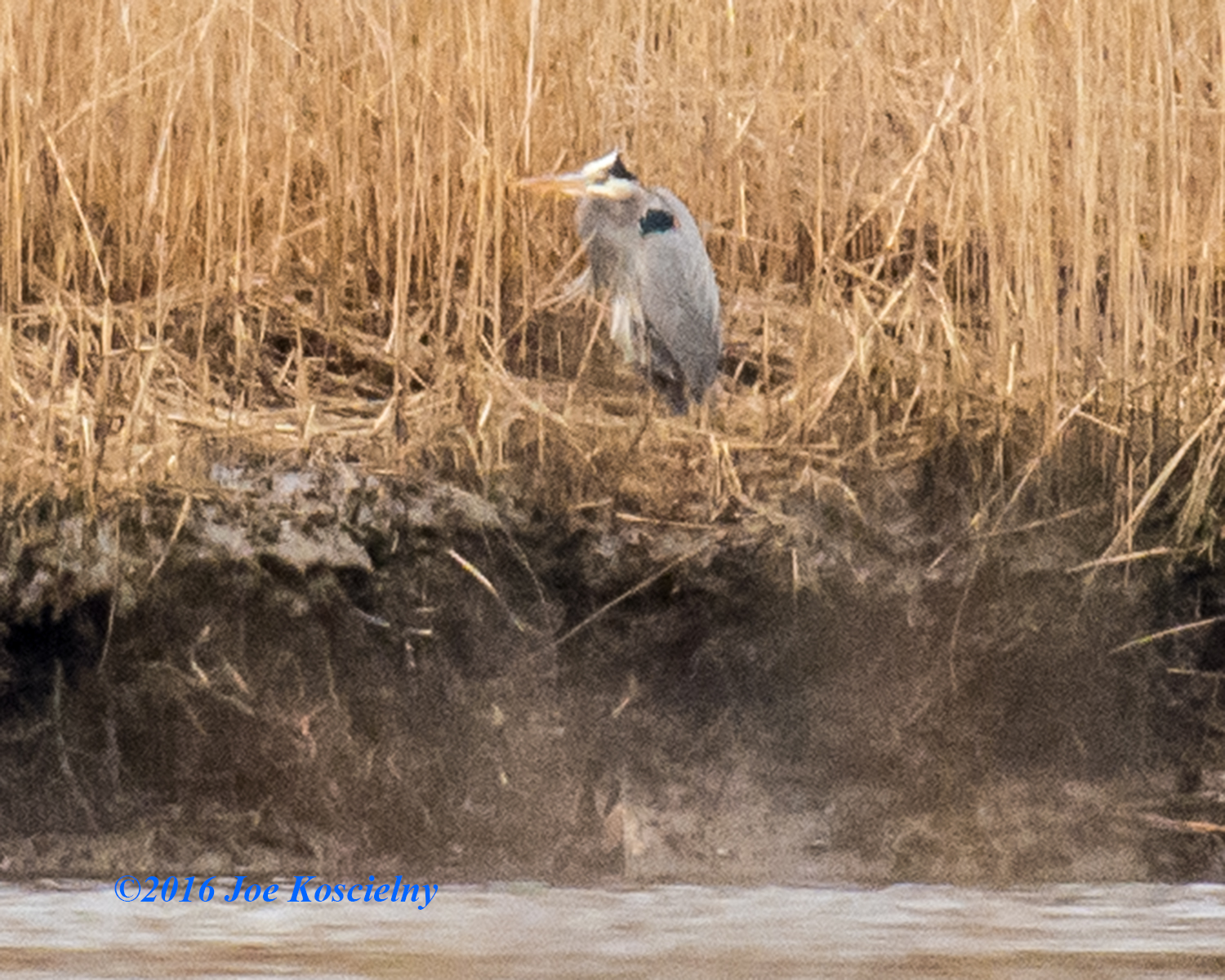
Great Blue Heron

Great Blue Heron

Great Blue Heron

Great Blue Heron

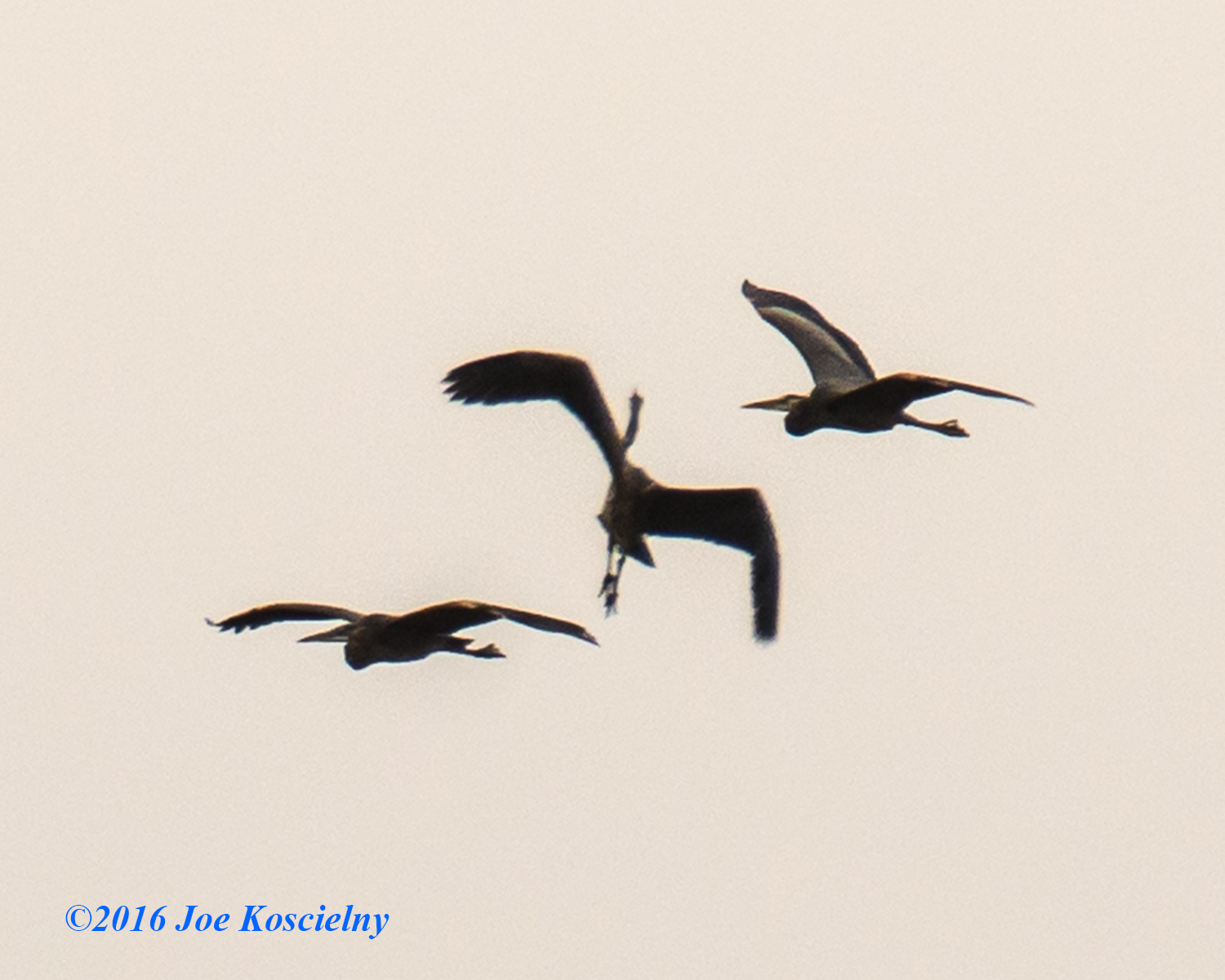
Great Blue Herons

Great Blue Herons

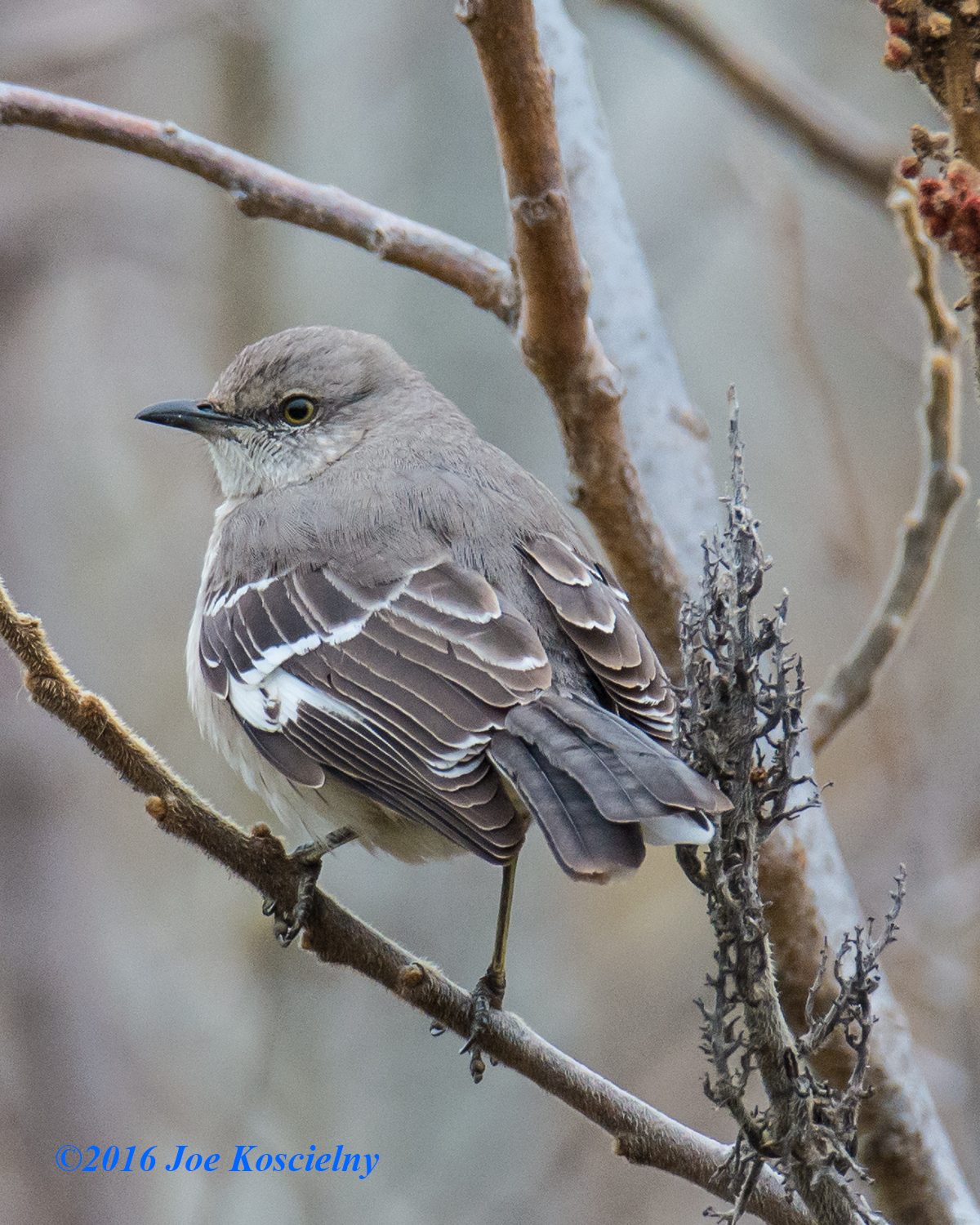
Northern Mockingbird

Northern Mockingbird

Peregrine Falcon

Peregrine Falcon

Tree Swallow and More

Mickey Raine got some spectacular photos yesterday of a Tree Swallow and feeding Great Black-backed Gull at DeKorte and a Red-winged Blackbird at Mill Creek.

Mickey writes

I took a quick drive over to DeKorte Park and Mill Creek Marsh early this afternoon, and it was exciting to see and hear some of the early arrivals of the Tree Swallows.  At first, I thought I was imagining things, but when looking way up high in the air, there they were . . . A trio of the incredible aerial acrobats swooshing every which way with hair pin turns on a dime.  Apparently, the newly arriving bugs were flying about and serving as meals for these adorable flying machines.

While walking down Transco Trail toward the back parking area, I noticed way up ahead, a fairly large Gull, busily trying to eat something relatively large.  When I realized, as I got closer, that it was a Great Black-Backed Gull, I knew that it was not going to be some clam, but most likely perch or some other fish.  Well, there is was, maneuvering its placement within its beak, and ultimately getting the fish to slide down fully.  Notice how thick the neck is in the two photos-.

Afterward, at Mill Creek Marsh, the Red-Winged Blackbirds were engaged in the endless competition for territorial claim and maybe attracting mates–although I did not see any females.  The males were seen at every turn, and it was so much fun to watch them compete and respond to one another by going one decibel louder each time.  The sun was very limited at the time, but during one brief moment, just enough appeared in letting me see the one captured for this email batch.  The RWBB were flying like little fighter jets from one tree to the other, and this one you see here flew completely across the main body of water as if to engage in some direct challenge to a boisterous one on the far end.

Well, it certainly had all the sounds and makings of spring around the corner.  I am hoping that this means no more snow.

Have yourselves a very beautiful weekend.


Preparing Homes for Tree Swallows

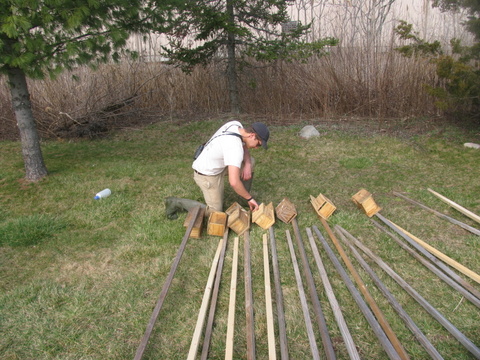
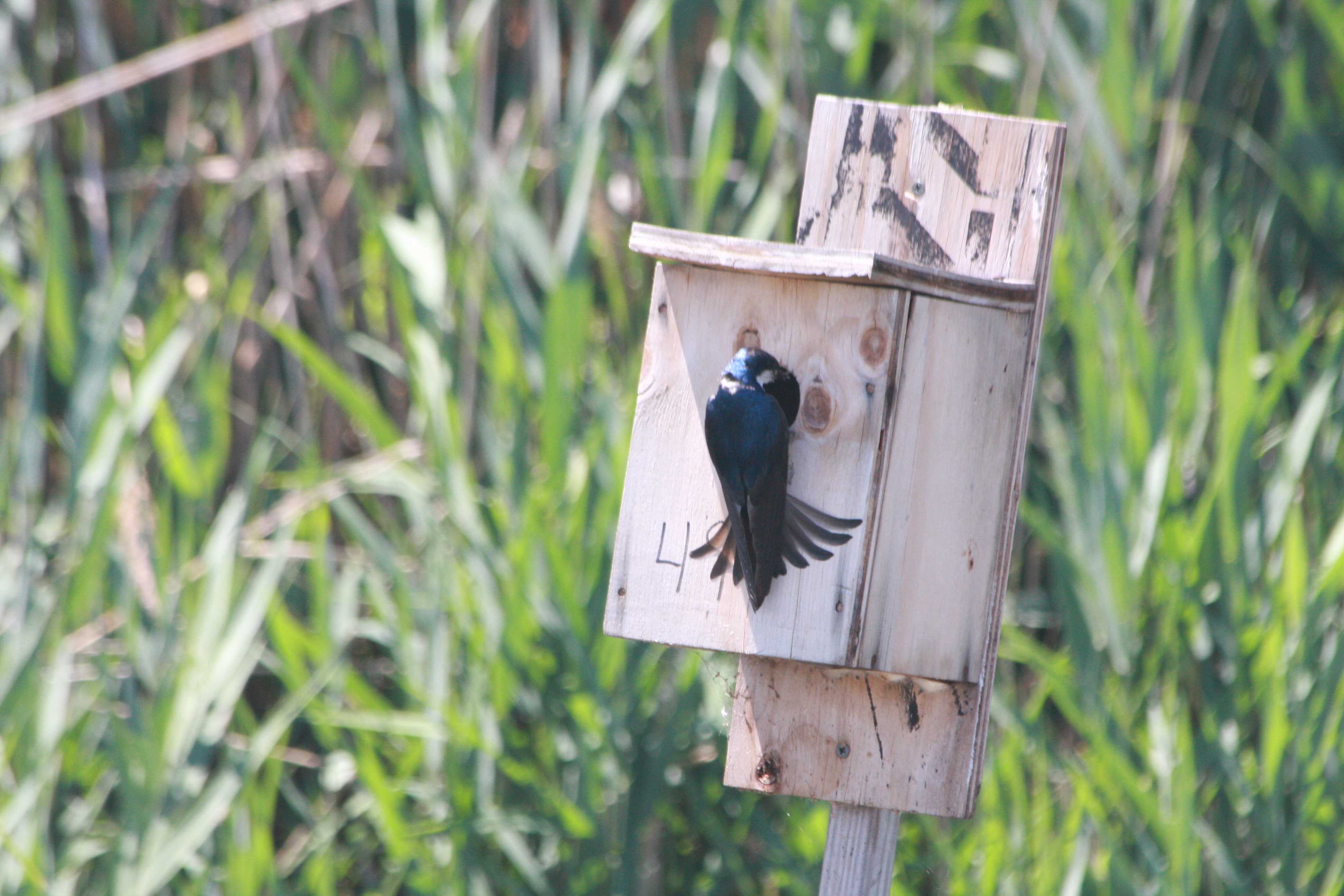
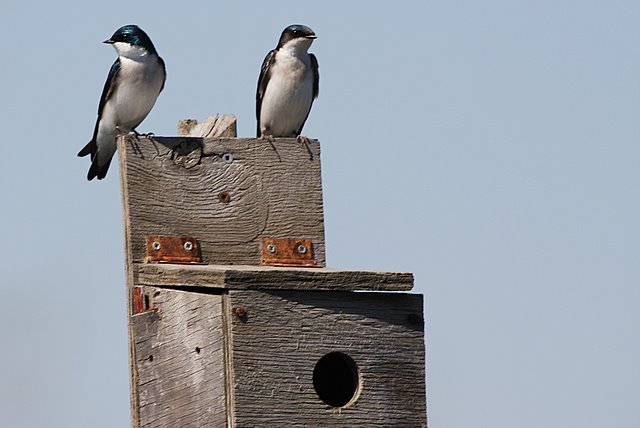
This morning NJSEA staffers were busy at Harrier Meadow mounting and installing Tree Swallow nesting boxes for the beautiful, magnetic blue spring migrants who have started to appear in the Meadowlands. They have arrived a bit earlier than normal thanks to the warm weather. In addition to our photos from this morning, we’ve included file photos of Tree Swallows outside their new homes.

Tree Swallows migrate to the Meadowlands by the hundreds every spring and our naturalists are busy installing dozens of nesting boxes around the Meadowlands District in our marshes and the Hackensack River. The Tree Swallow is a secondary cavity nester, which means it must have the use of dead trees to nest in, and it must have a hole that has been excavated by a primary cavity nester.  Loss of habitat and competition for nest sites from other bird species are part of the reason why we provide these vital nest boxes for these birds.

Here’s a complete primer on tree swallows:

The Tree Swallow (Tachycineta bicolor) is a small, beautiful bird about 5 ½ inches in length and has a metallic blue or blue-green upper part and a white under part. Tree Swallows are one of the first swallows to migrate back to this area for the spring nesting season. Hundreds of pairs can be found around lakeshores, streams, flooded Meadowlands and marshes.

Continue reading