Author Archives: Brian Aberback

Christmas Bird Count Dispatch From Ridgefield

skeetkill at dawn

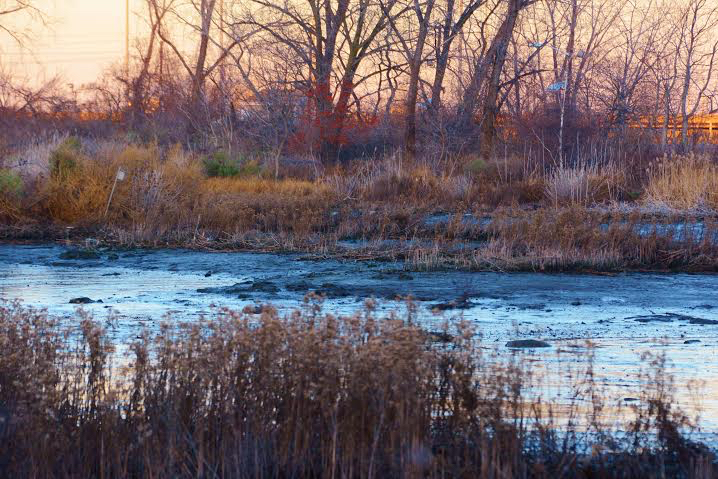
Skeetkill Creek Marsh at dawn, 12/20/15

Jim Macaluso headed out to Skeetkill Creek Marsh in Ridgefield early this morning to continue his Christmas Bird Count. Jim reports that even with the tide going out he spotted “22 greenwing teal and a black duck, three mallards, fox sparrow, tree sparrows, a load of house finches and some other common birds. Really pretty at dawn there.”

Everyone is welcome to send in their Christmas Bird Count reports!

The Christmas Bird Count (CBC), the nation’s longest-running citizen science bird project, fuels Audubon science year-round. The count is a census of birds in the Western Hemisphere, performed annually in the early Northern-hemisphere winter by volunteer birdwatchers and administered by the National Audubon Society. The purpose is to provide population data for use in science, especially conservation biology, though many people participate for recreation.

This year’s 116th count runs from Dec. 14 to Jan. 5, so it’s not too late to join in this fun and important project. To find out more click here.

Don Torino’s Life in the Meadowlands: Birding binoculars-keeping it simple

dekorte dec 2015-1

As I am already looking ahead to conducting Bergen Audubon’s “Birding for Beginners” classes in 2016, and since the Holiday gift buying season is now coming down to the wire, I thought it might be a good time to talk about binoculars for birding. At every class and almost every nature walk the age old question always arises to what at times seems almost as complicated as considering the question of the meaning of life: “What are the best optics for birding?”

If you’re technically challenged like me, when you read things like exit pupil, eye relief and field of vision your brain immediately turns to oatmeal, your eyes glaze over, and you begin to drool and look out the window aimlessly. But if you are in the market for new binoculars those are the terms you are going to hear, along with more fun stuff like ED glass, phase corrected and lens coatings. So without getting too technical – I don’t want you dozing off and injuring yourself on your computer – I will try to keep it simple and get you started on what to look for in a birding binocular.

Continue reading

Tuesday DeKorte Nature Walk Recap

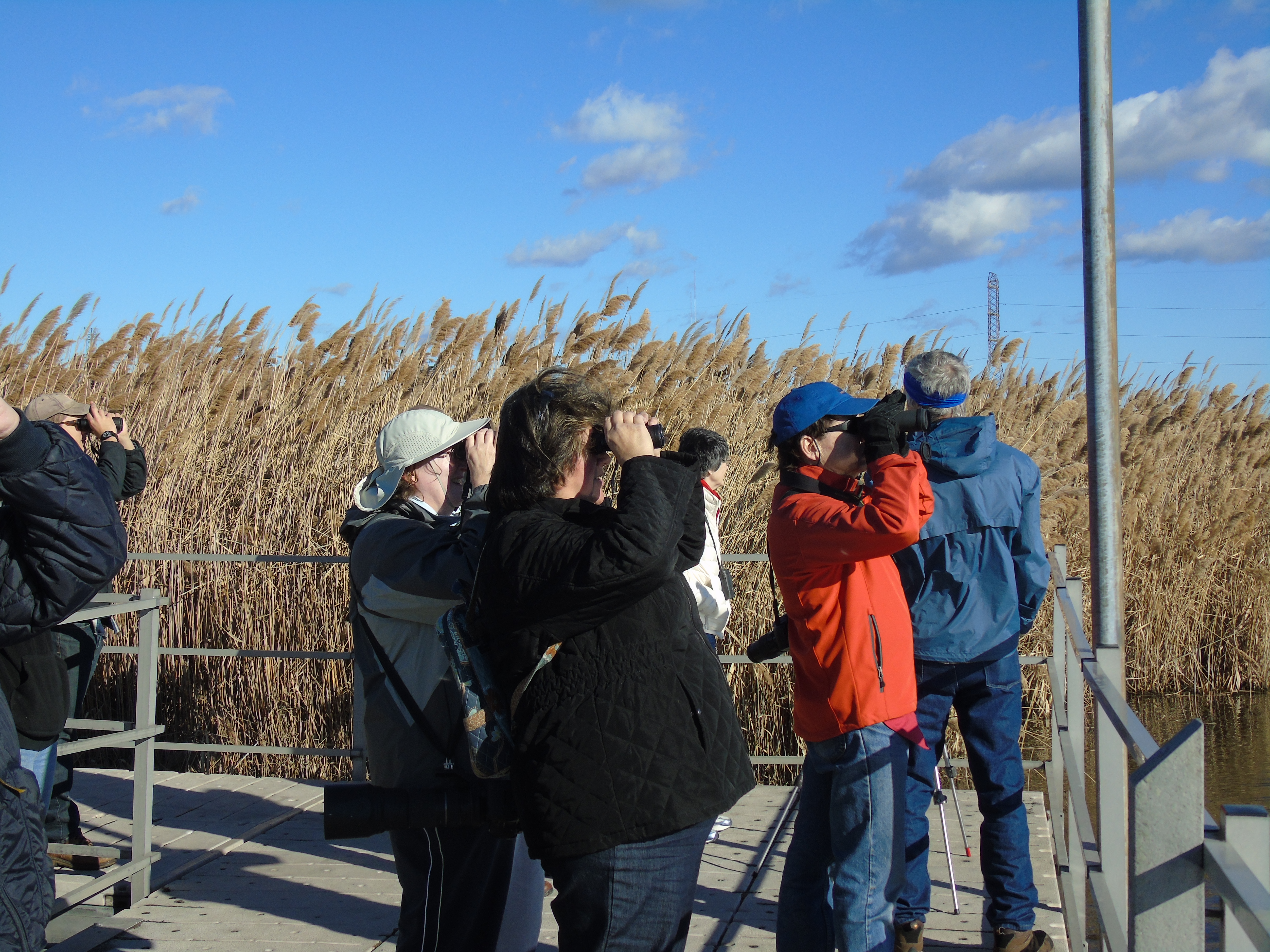
A beautiful and crisp, if a bit windy, Tuesday morning set the stage for a great nature walk through DeKorte Park led by the Bergen County Audubon Society. A Northern Harrier, Peregrines Falcons, Pintail ducks and a December Great Egret were among the highlights. Thanks to Alice Leurck for the many wondeful photos!

Jim Wright also attended the walk and lists 24 species seen on the excursion. Read his recap on the Celery Farm and Beyond Blog.


Still Blooming

Kevin R. Wexler/The Record

Kevin R. Wexler/The Record

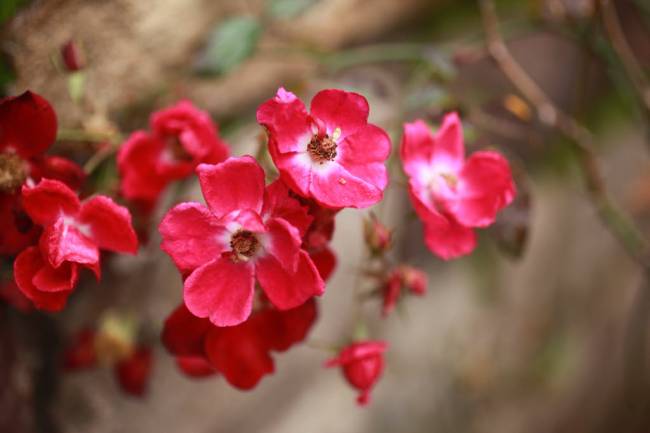
The Record’s Ray Edel has a story today on plants continuing to bloom with the recent spate of warm weather.

From the story:

A week away from the first official day of winter and just 10 days to Christmas — and roses in the gardens are still acting as if it’s springtime.

So are several other plant varieties that should by now be settling in for a long winter’s nap.

Because of the unseasonably warm temperatures, the usual mid-December visions of sugar plums, snowmen and sleigh rides have been supplanted by the sight of blooming plants — a few spring bulbs are popping their heads out early, annuals like marigolds and zinnias are hanging in there, and so are perennials like lilies, clematis and, of course, roses, those beloved flowers that by any other name would smell as sweet.

Read the entire article here.

Egrets, Mallards and More

Sandy Sorkin shared some great December photos with us. Sandy writes:

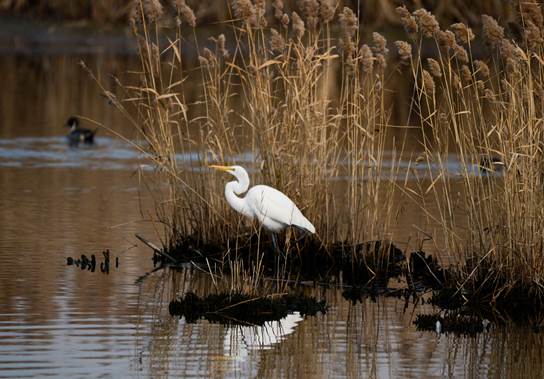
I think the weather outside is definitely frightful, and it really shouldn’t be in the mid 60’s this time of year. But hot or cold, many winter birds have arrived in the Meadowlands and a few of the summer birds have stayed on. For example, we really shouldn’t expect so many Great Egrets in late December.

For the photographers, most of the pictures were taken with the new Nikon 200-500mm lens. I also tried the lens with a 1.4x and find it works well.

Extended Stay

Why fly south when the weather here in the Meadowlands is so nice?

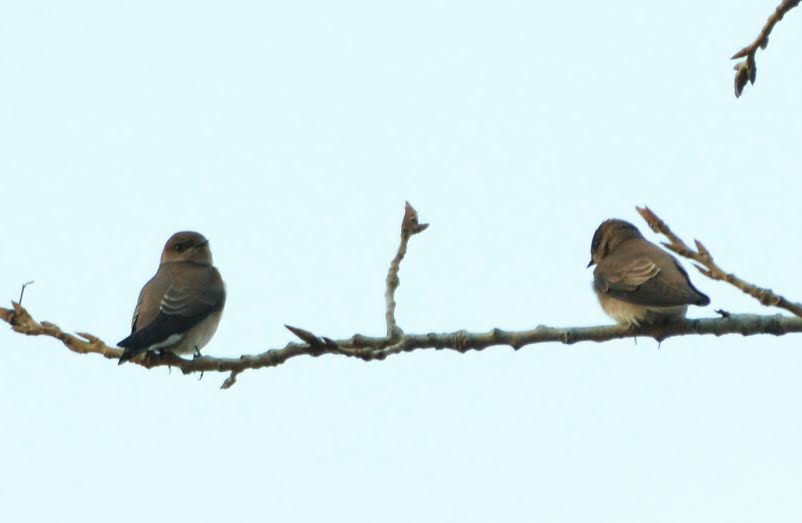
Apparently that’s what a Baltimore Oriole and a pair of Northern Rough-winged Swallows were thinking this weekend. Both species are usually gone from these parts by now, but Jim Macaluso photographed an Oriole while on a Bergen County Audubon Society trip to Mehrhof Pond in Little Ferry on Saturday.

Yesterday Jim captured two Rough-winged Swallows hanging out at Skeetkill Creek Marsh in Ridgefield. With temps supposed to stay in the mid to high-50s this week, maybe we’ll see some other species who are extending their seasonal stay in the region.


BCAS Nature Walk Tomorrow (Dec. 15) at DeKorte Park

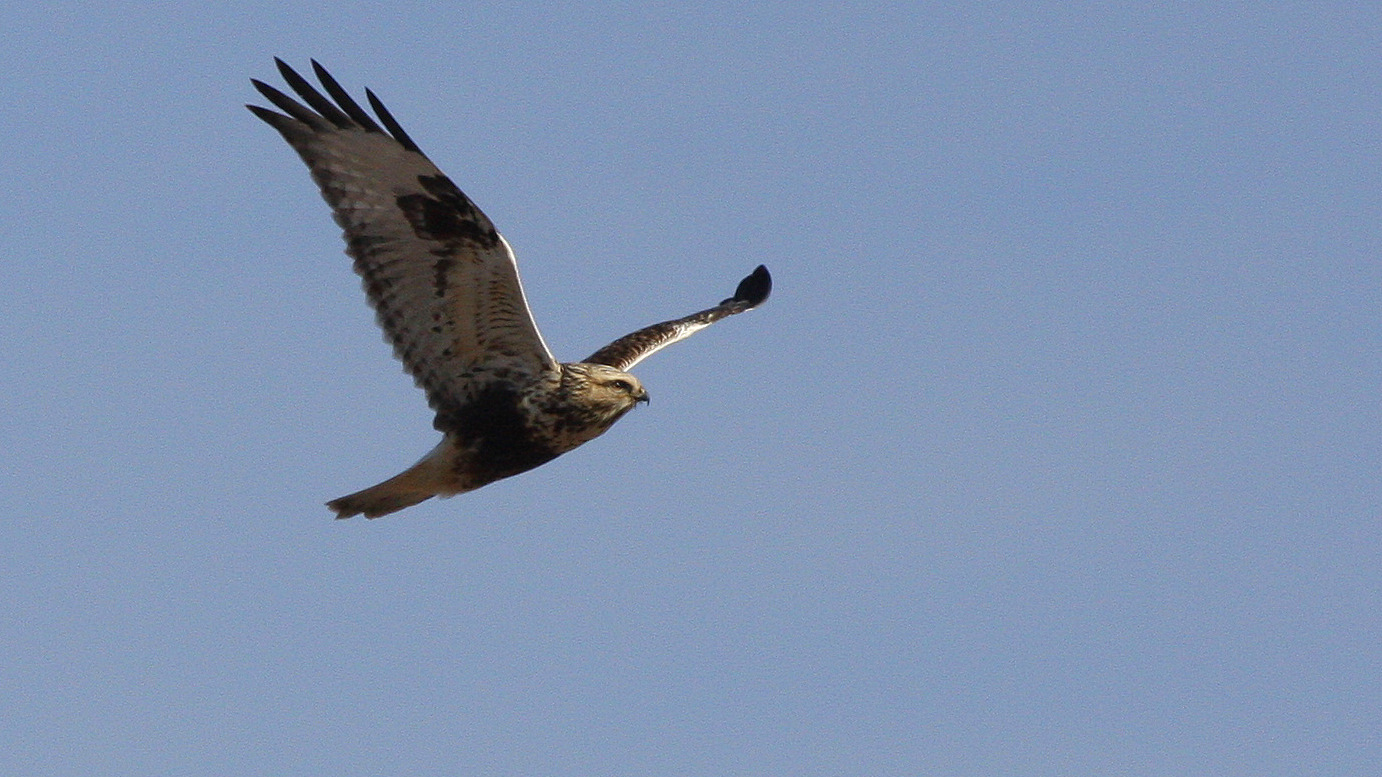
Rough-legged Hawk

Join the Bergen County Audubon Society tomorrow (Tuesday, Dec. 15) for a guided nature walk at DeKorte Park in Lyndhurst from 10 am to noon. Participants will walk along the base of the remediated Kingsland Landfill and other parts of the park, looking for wintering waterfowl, raptors and other birds of interest. The walk meets in the parking lot across from the Meadowlands Environment Center. For more information, contact Don Torino of the BCAS at greatauk4@gmail.com or 201-230-4983.

Don Torino’s Life in the Meadowlands: Eastern Red Cedear: The Sacred Tree


The Eastern Red Cedar, known to many Native American cultures as the “Tree of Life,” is considered especially sacred and believed to hold much power. It is still used in many ceremonies and very much considered a spiritual living being. To our wildlife, it is equally important. It provides sustenance, protection and survival for a vast species of birds.

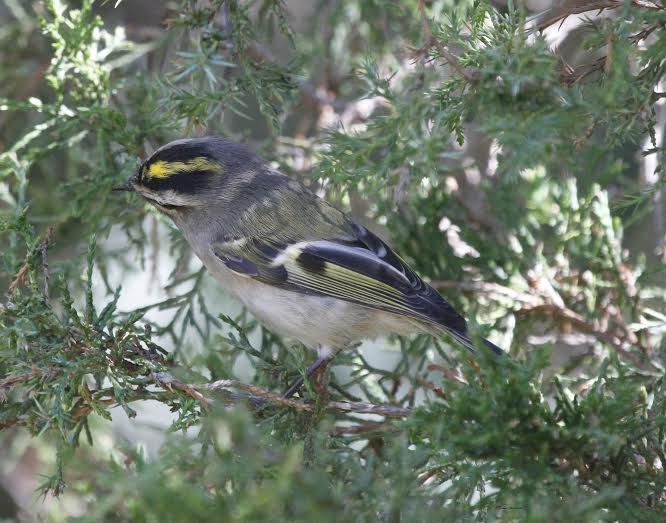
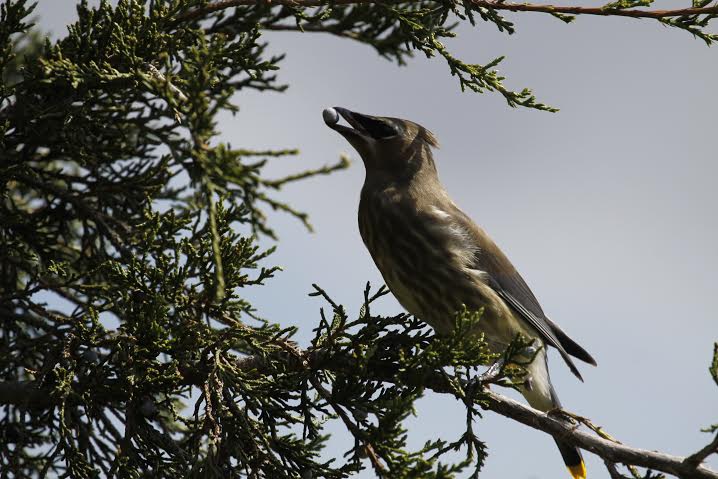
The Eastern Red Cedar (Juniperus virginiana) does triple duty when it comes to providing what birds need to survive. It offers cover for everything from Owls to Kinglets, nesting places for Orioles to Raptors and food for over 80 species of birds. The Eastern Red Cedar is truly one of the most important species of trees in our environment, and the Meadowlands is home to a great number of these sacred North American native trees.

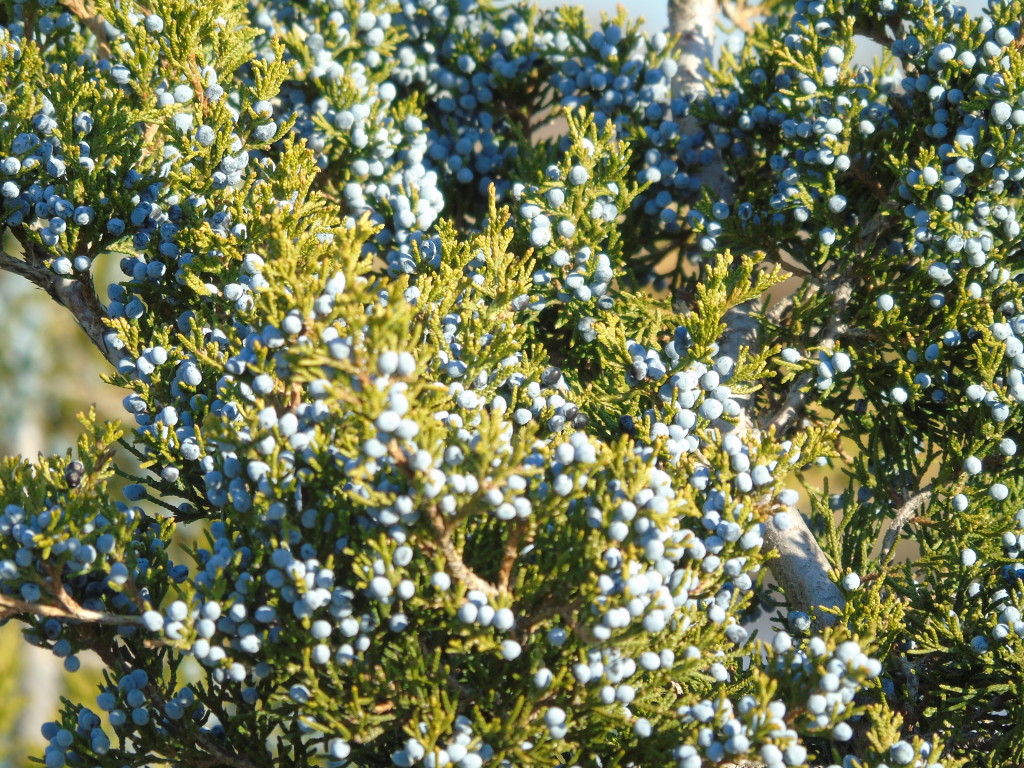
Our Eastern Red Cedar is a dioecious species, which means basically that there are both male and female plants. Both trees provide excellent cover and nesting opportunities, but it is the female tree that provides those lovely masses of blueberries which attract many birds like a magnet. The Cedar Waxwing is especially fond of these sapphire delicacies which are how it got its namesake. But there are many more diverse bird species that depend on the fruits of the Eastern Red Cedar.

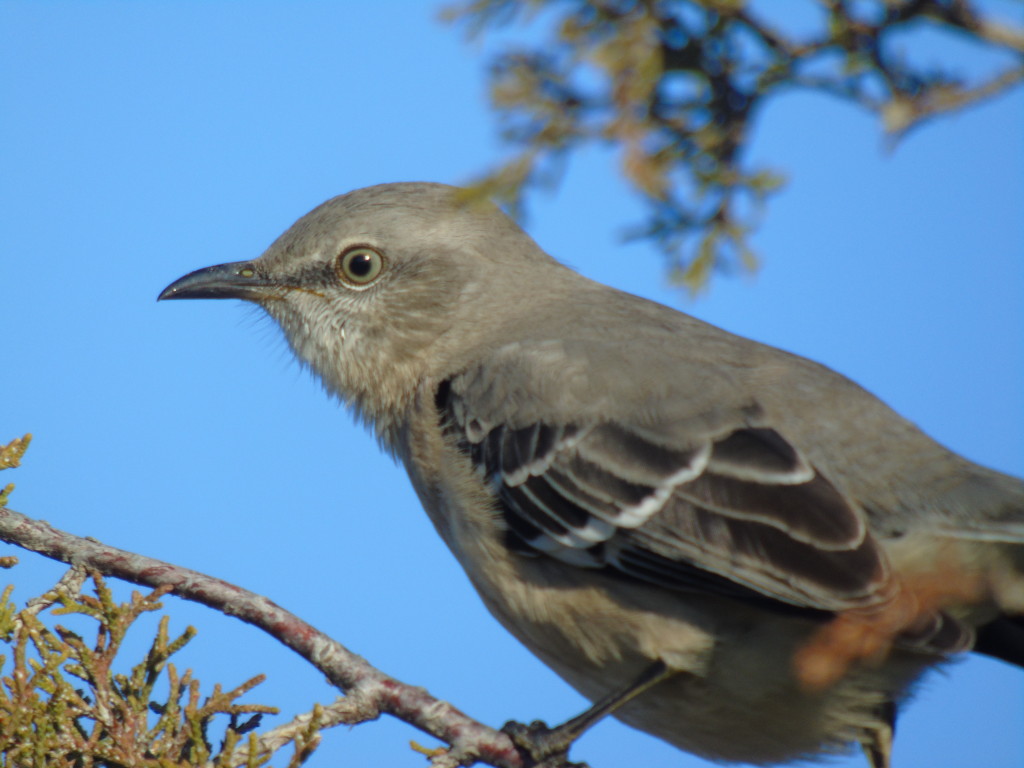
In The Meadowlands the Eastern Red Cedar graces the landscape from DeKorte Park to Mill Creek Marsh, and it is here that many bird species seek out the sustenance of the cedars From Hermit Thrush , Mockingbirds, Yellow-rumps , Tree Swallows and Brown Thrashers to both species of Kinglets and even Northern Flickers, all depend on the cedars throughout the seasons.

Nesting time in the Meadowlands would not be the same without the Eastern Red Cedars. Mockingbirds, Robins and Mourning Doves are among the many bird species that raise their young in the branches of this evergreen .

In winter ,besides serving as an important food source, many other birds such as The Long-Eared Owl take cover in its dense branches to roost and rest to be ready for the evening’s hunt .

Planting Eastern Red Cedar in the home landscape may be a chore since it is not readily available at most garden centers (but I am sure It can be ordered). In addition, if you have apple trees you may not want to introduce it since it is the host for the cedar apple rust disease, which defoliates the trees but usually does not do permanent damage.

Knowing and learning about our native plants in the Meadowlands is an important part of becoming a better birder and gives us a better understanding on how all things in nature are connected and interdependent .