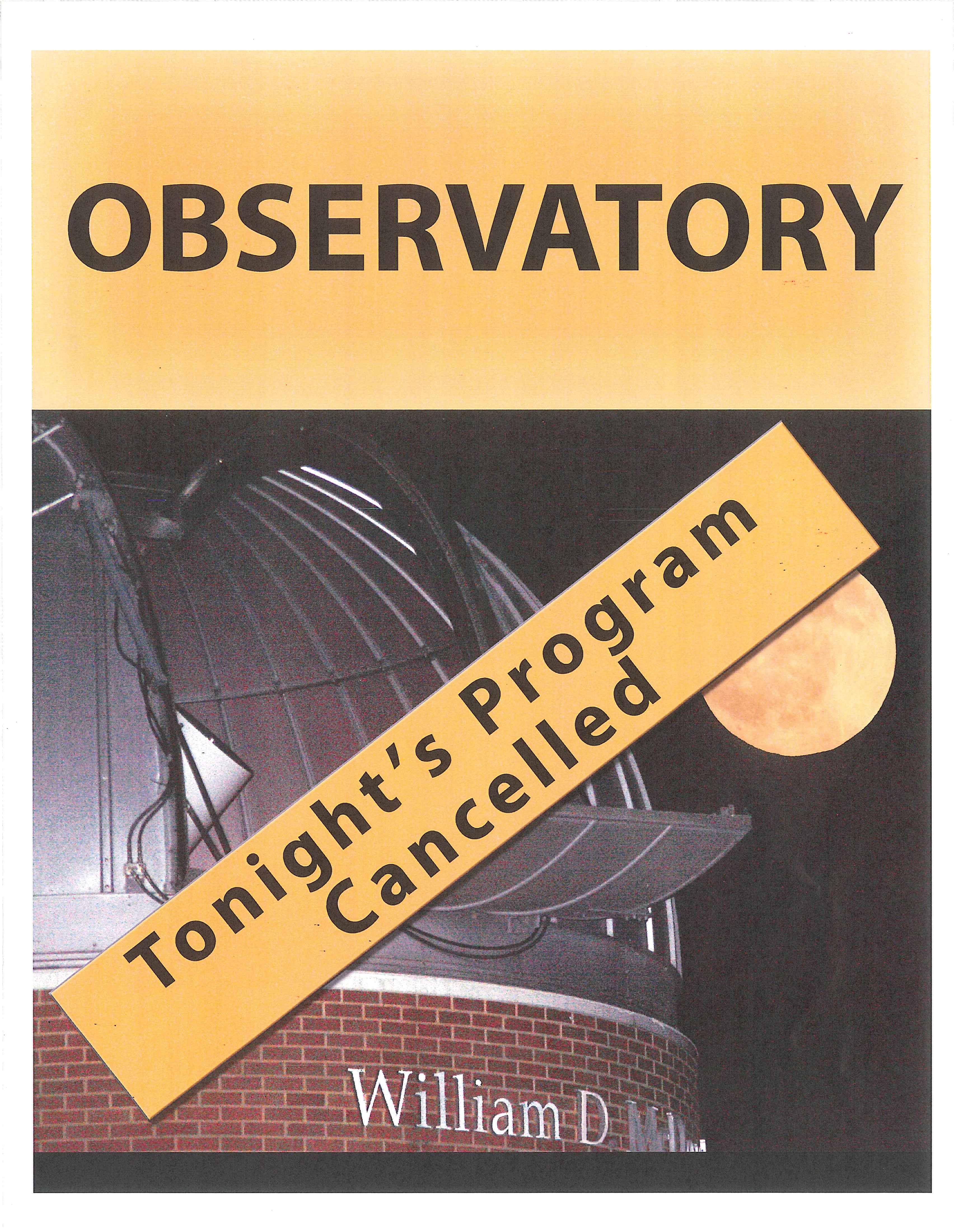
Due to expected heavy cloud cover, tonight’s (Jan. 20) open public viewing at the William D. McDowell Observatory in DeKorte Park in Lyndhurst has been cancelled. The next open public viewing night is Wednesday, Jan. 27, from 7 to 10 pm.

Due to expected heavy cloud cover, tonight’s (Jan. 20) open public viewing at the William D. McDowell Observatory in DeKorte Park in Lyndhurst has been cancelled. The next open public viewing night is Wednesday, Jan. 27, from 7 to 10 pm.
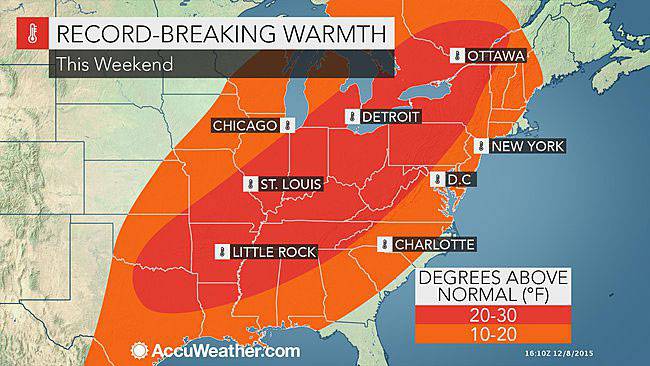
With the temperature expected to reach 60 degrees on Saturday, The Record has a story today on plants still blooming and vines still sprouting when they shouldn’t be. Check out the story here.

Don Torino sent these photos he took last week of Mill Creek Marsh in Secaucus. “There’s no place more beautiful in fall than Mill Creek Marsh,” Don notes. With the weather staying relatively warm this week, now is a great time to hit the many trails, parks and natural areas in the Meadowlands and experience the breathtaking scenery and wildlife.
For those of you unfamiliar with Mill Creek Marsh, you can access the marsh trail from the Mill Creek Mall – park next to Bob’s Discount Furniture. Look for Don’s next “Life in the Meadowlands” column, on the Eastern Red Cedar tree, on Thursday.
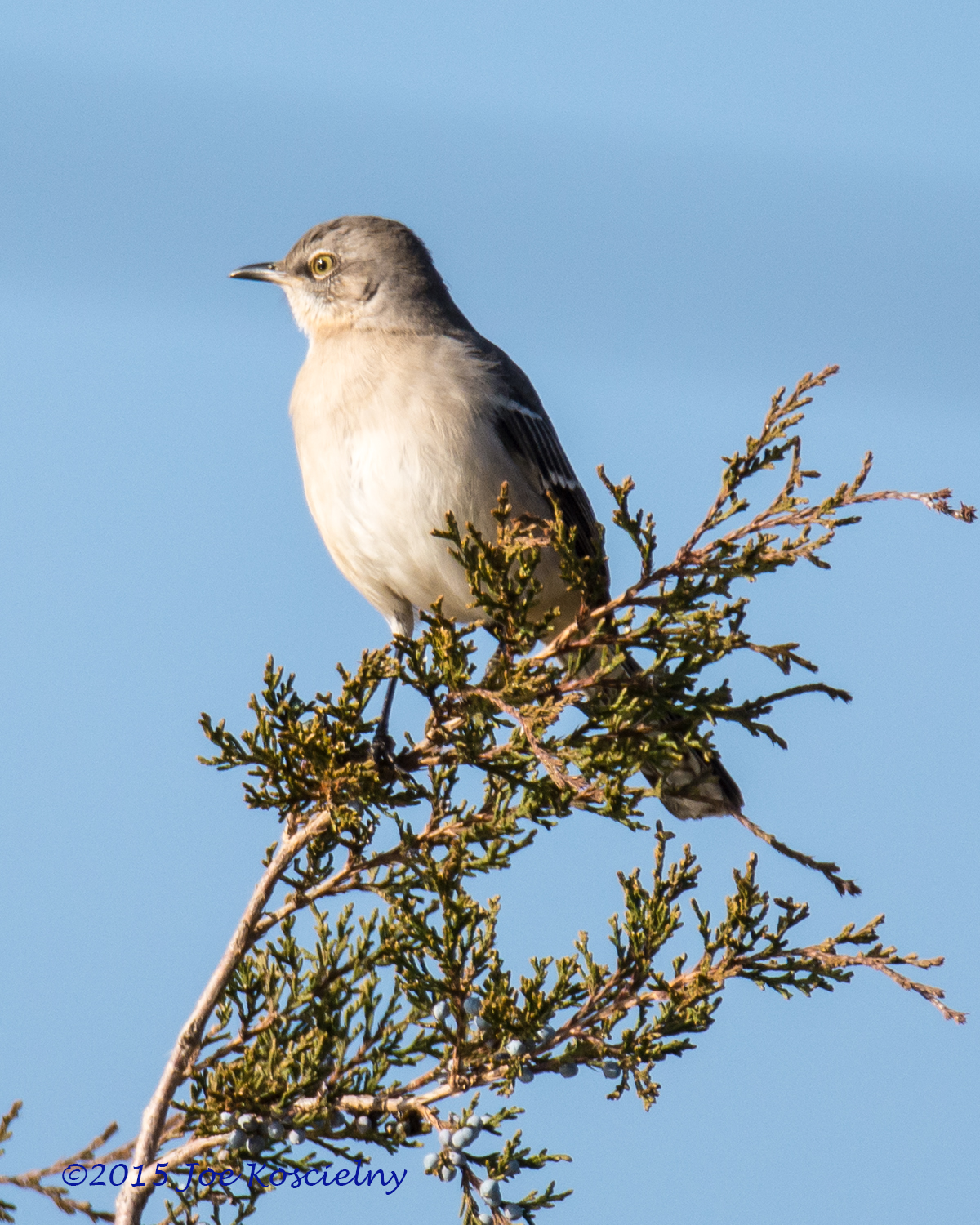
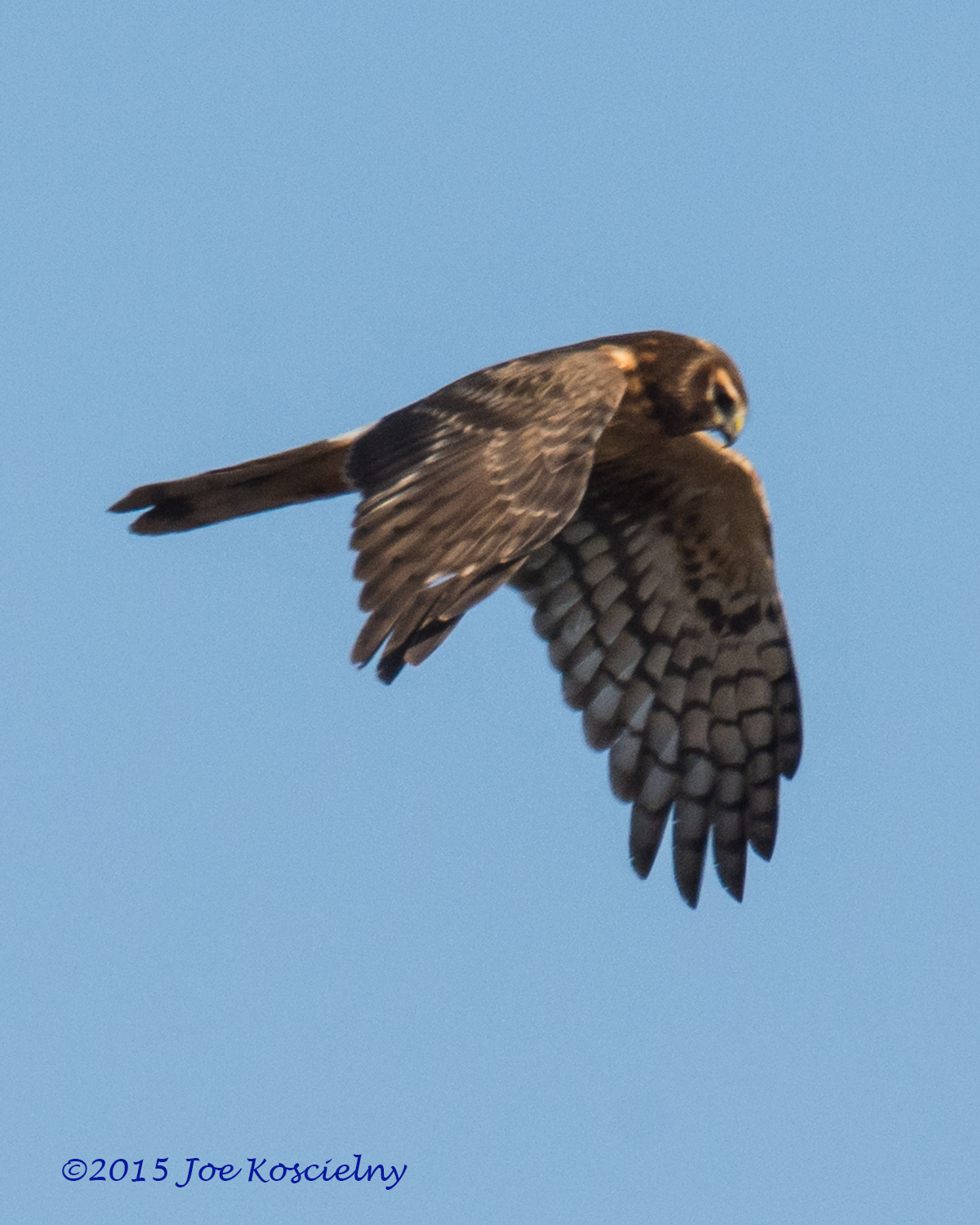
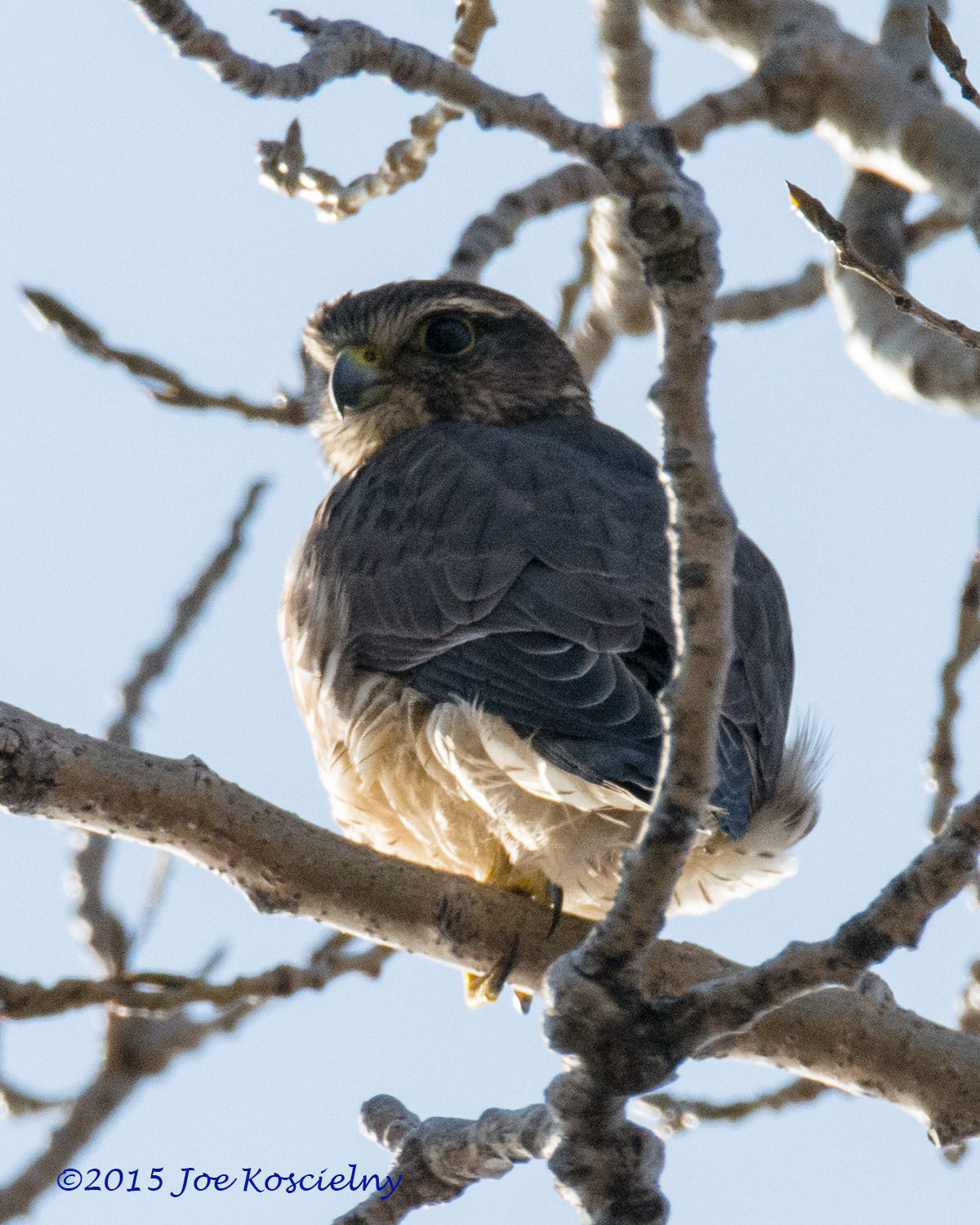
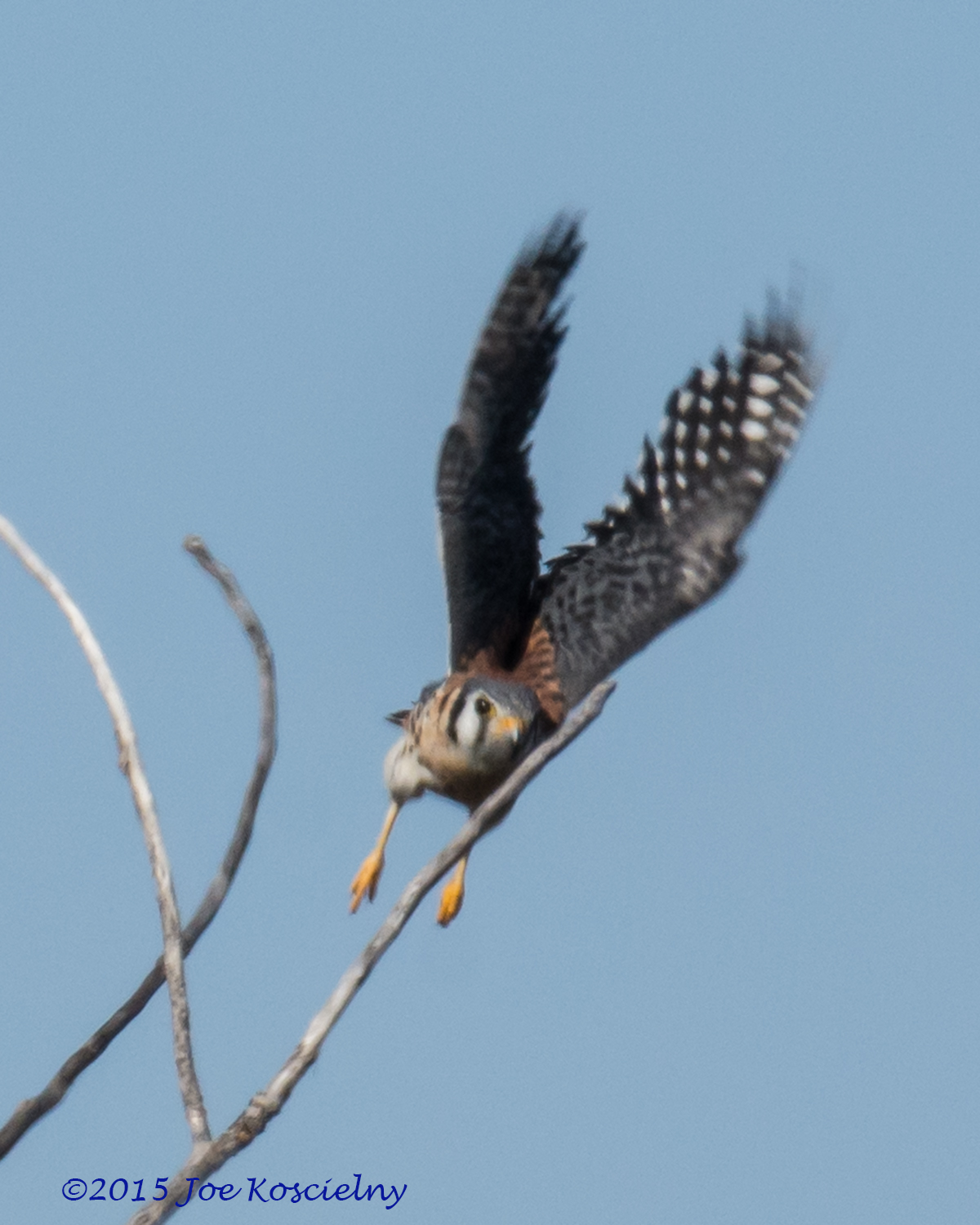
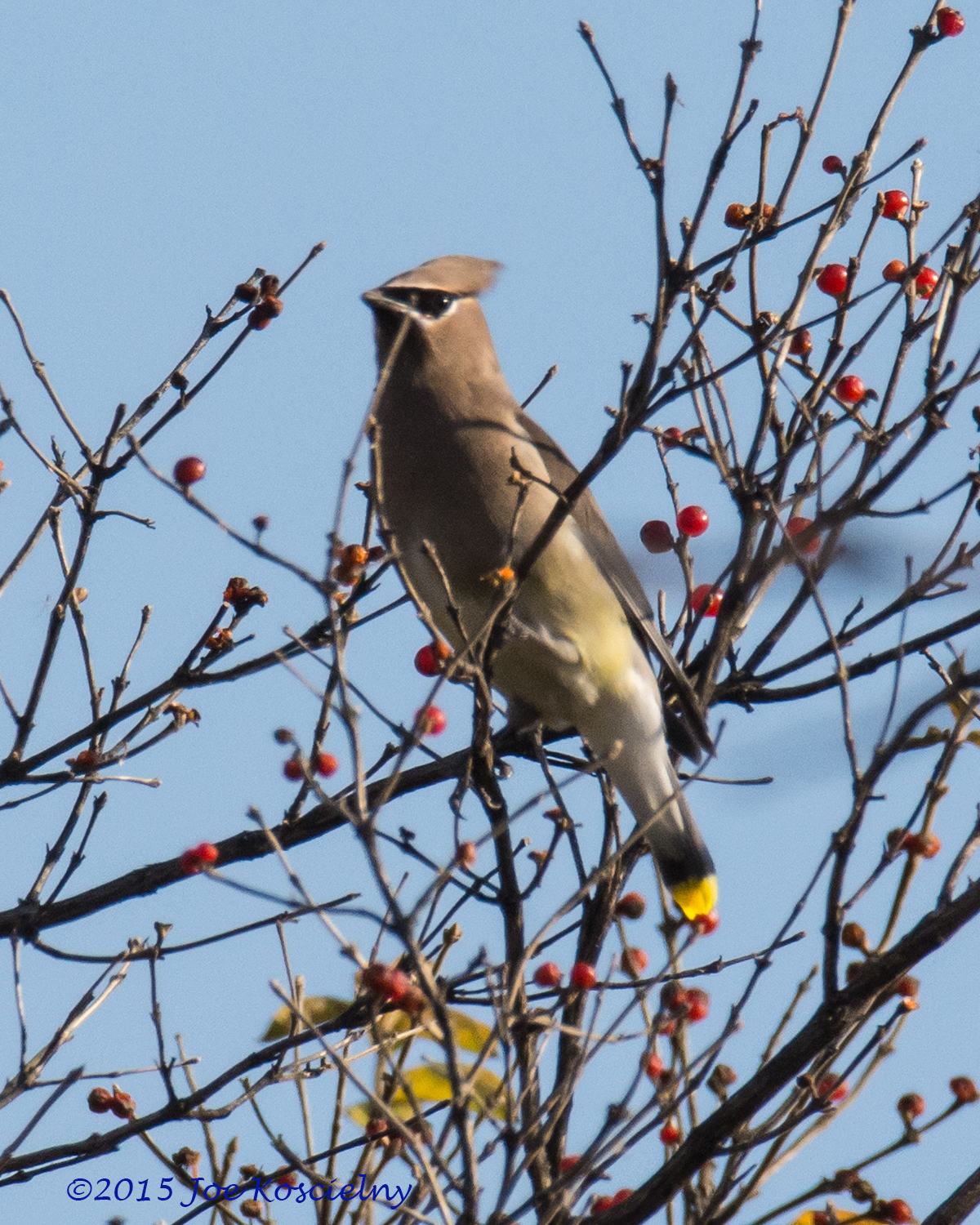
Here are some beauties courtesy of Joe Koscielny from yesterday morning’s Disposal Road Walk. Simply fantastic!
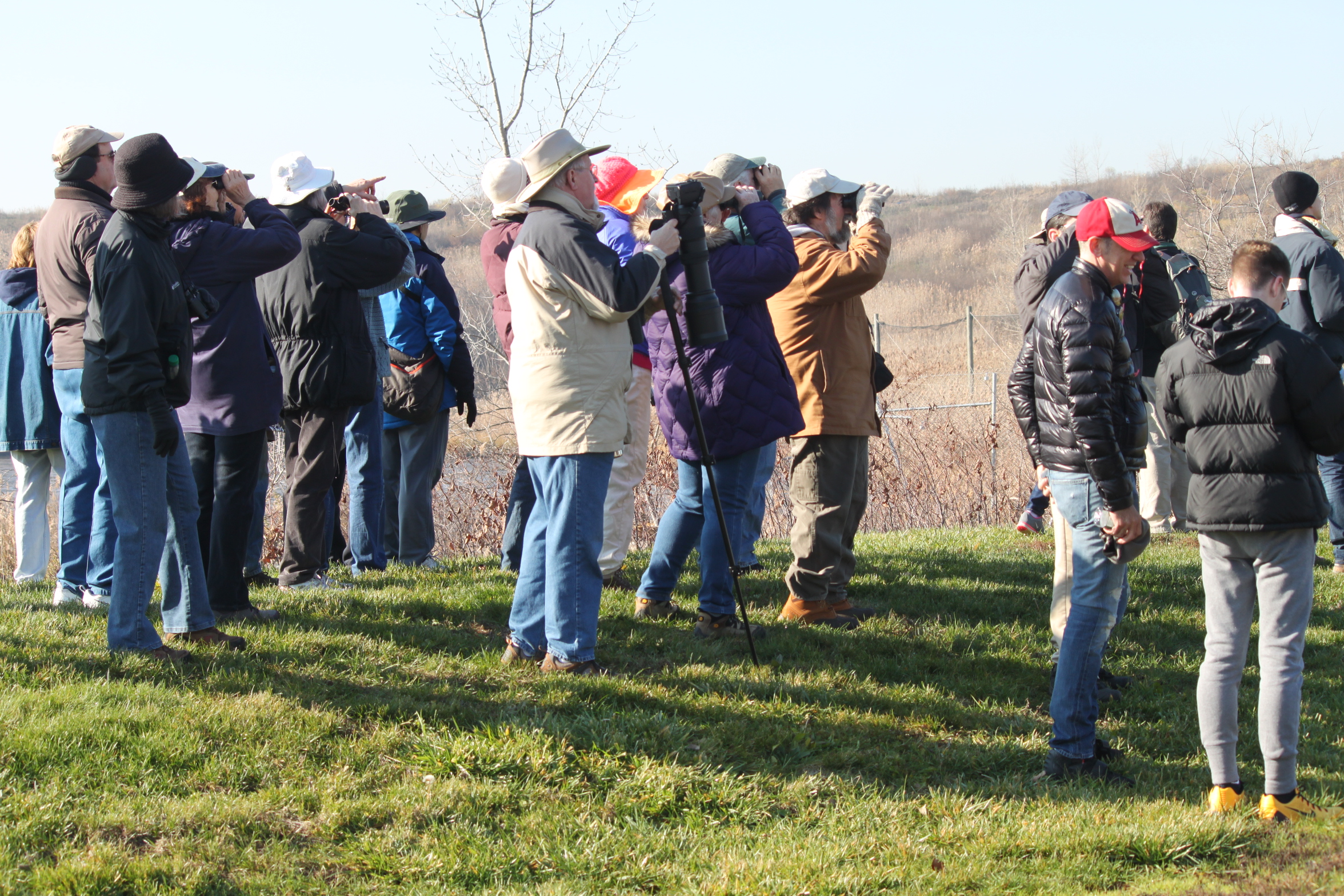
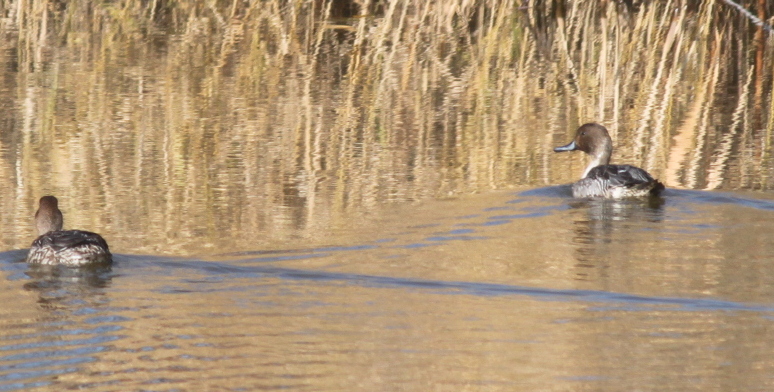
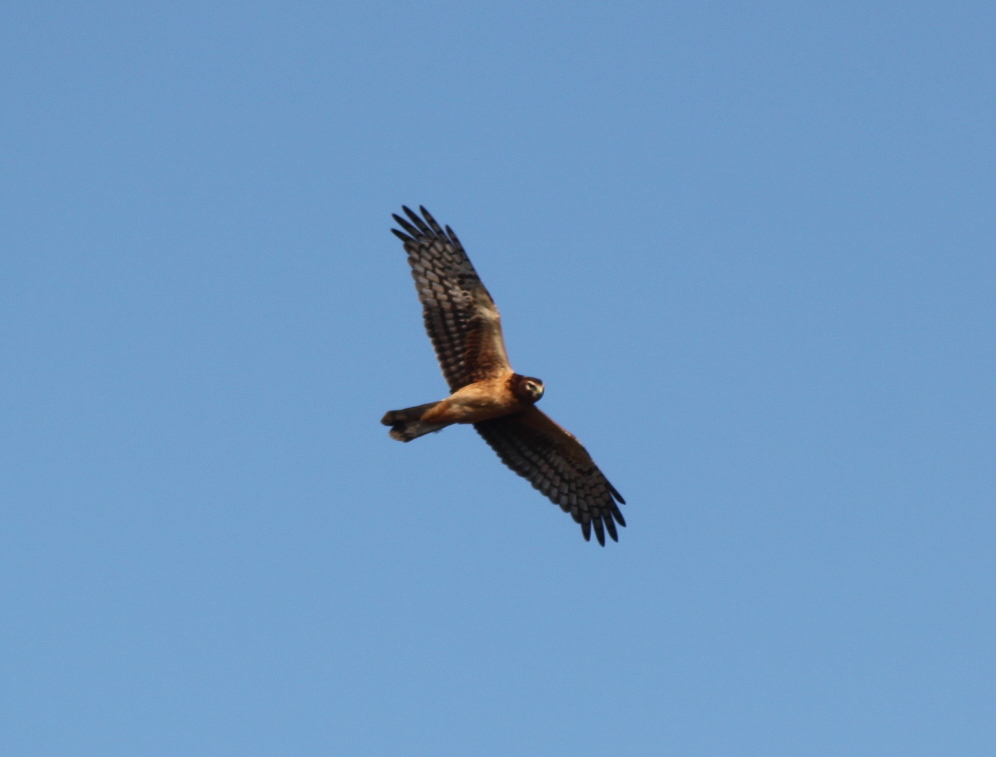
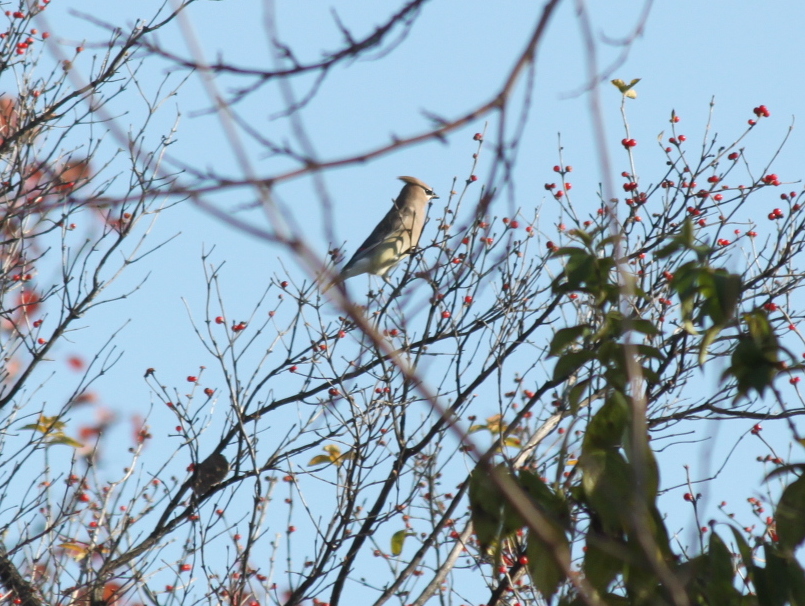
What a great way to kickoff December and the holiday season! The nature walk yesterday on Disposal Road led by the Bergen County Audubon Society was a great success, with nearly 40 people taking in Kestrels, Merlins and many more on a beautiful Sunday morning.
Here’s a first batch of photos courtesy of Mary Kostus, with more to follow.
Don’t miss the next free Meadowlands Nature Walk led by the BCAS on Tuesday, Dec. 15, at DeKorte Park in Lyndhurst. We’ll be looking for wintering waterfowl, raptors and other birds of interest. The walk takes place from 10 am to noon and meets in the Meadowlands Environment Center parking lot. Information: greatauk4@gmail.com or 201-230-4983.
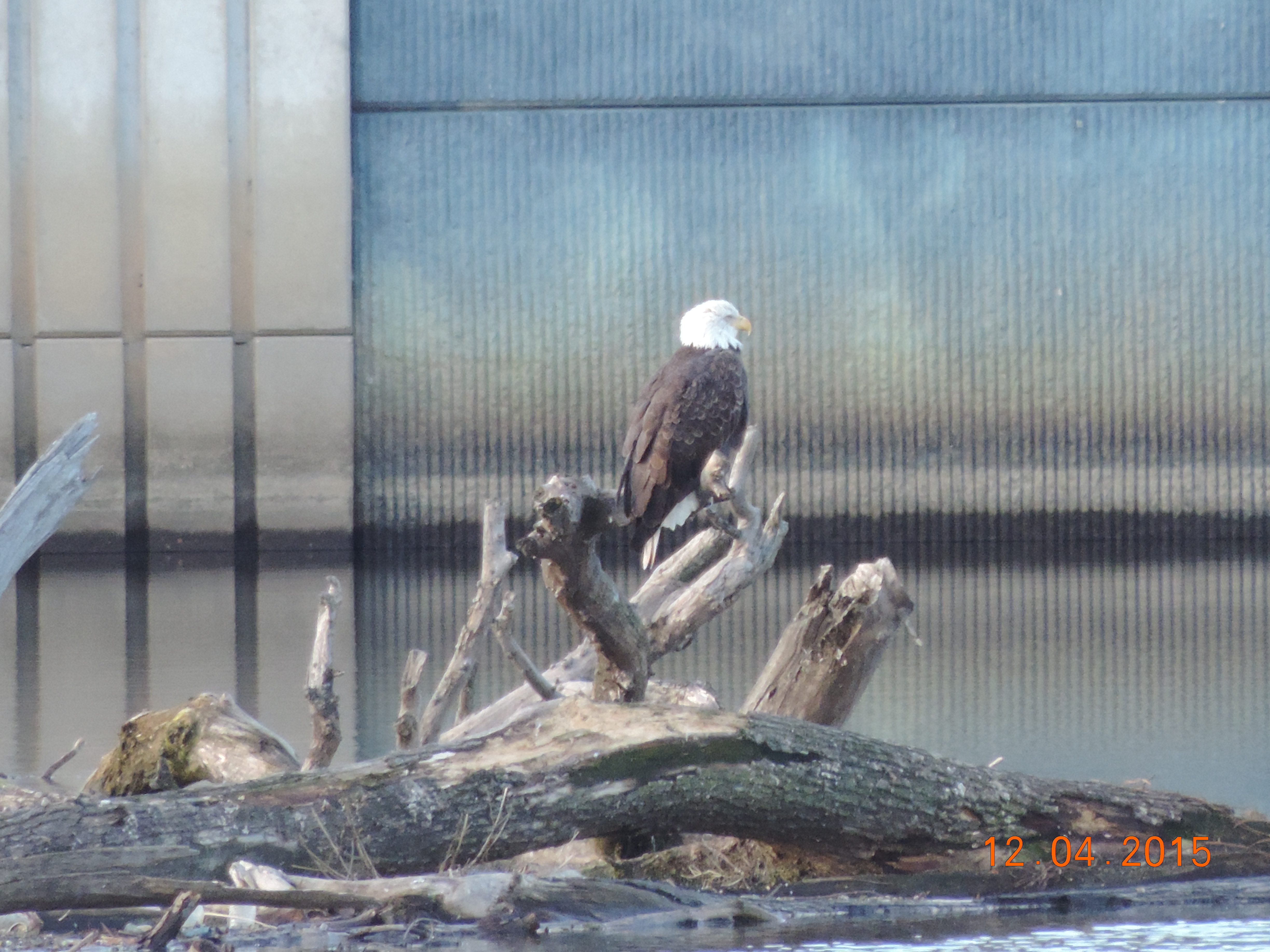
A little bit out of the Meadowlands but still noteworthy: Rich Brown sent a photo he took on Friday of a Bald Eagle perched along the Passaic River.
Rich writes:
I was driving to work this morning on Route 21 North when I saw a Bald Eagle perched on a log in the Passaic River, north of the dam. I crossed the river on Route 46 East and took the first exit south to River Drive in Garfield. I was able to take some photos from the public sidewalk along the river, near the USGS Stream Gaging Station. I could not observe any leg bands at that angle or distance.
I’ve observed eagles, osprey, geese, ducks, mergansers, gulls, and other birds in the area before. There is a park and walkway along the river (above and below the dam) that makes it easy to observe wildlife. The area is called Dundee Lake. I did a quick internet search and found some interesting information about the area on Elmwood Park’s website.

Join the Bergen County Audobon Society this Sunday (Dec. 6) as they lead a free nature walk along Disposal Road in Lyndhurst from 10 am to noon. Disposal Road, which is adjacent to DeKorte Park, is a fantastic spot for viewing and photographing raptors, so keep an eye out for Kestrels (pictured above), other falcons, hawks and more. The walk meets in the Meadowlands Environment Center parking lot in DeKorte Park. For more information, contact greatauk4@gmail.com or 201-230-4983.

On Monday we told you about Jim Wright’s “Monday Mystery” feature on his Celery Farm and Beyond Blog concerning the connection between Mehrhof Pond in Little Ferry and an old bottle of porter. Jim explains the connection today. Read the answer here.

Drew McQuade of the NJSEA’s Natural Resources Department was busy this morning installing a Kestrel Box in Harrier Meadow in North Arlington. Drew helped provide us with some background info on Kestrels:
American Kestrels, the smallest and most colorful falcons in North America, inhabit the Meadowlands region year round, but are most abundant in the Spring and Fall. Nesting season begins in late April, with young birds leaving the nest as early as a month after fledging. In the late Spring, most Kestrels will migrate South, while some will continue to stay in the region.
In February 2012, the American Kestrel became listed as a New Jersey threatened species. Like many birds of prey, Kestrels have been losing their habitat and nesting cavities to development. American Kestrels cannot create their own nesting cavities, and must rely on either those that exist naturally, or man-made nest boxes.
American Kestrels are easily distinguished by their most typical hunting behavior where birds hover at a height of around 35 to 65 feet and swoop down on insects and other small prey
The NJSEA will be installing additional Kestrel boxes in the coming weeks.
There’s a chance you could see a Kestrel during this Sunday’s (Dec. 6) guided nature walk led by the Bergen County Audubon Society. The free walk along Disposal Road in Lyndhurst meets in the Meadowwlands Environment Center parking lot in DeKorte Park, which is adjacent to Disposal Road. The walk takes place from 10 am to noon. Disposal Road is a great place for viewing raptors, including Kestrels, hawks and more. For more information, contact greatauk4@gmail.com or 201-230-4983.
 One of the most enjoyable things about birding, besides the birds themselves, is keeping track or records of all the birds that we have seen over the years. These lists can contain more than just the date, place and times of all the many special sightings of our feathered friends that make up one of the great passions of our lives. Birds can also hold many special memories of those extraordinary days when we saw that new bird species for the very first time.
Bird lists, or “Life Lists,” as they are commonly called, can be compiled from birds we have seen from all around the world to a state or even just one singular location. But my favorite Life List to keep is from a much smaller geographic location: my own backyard.