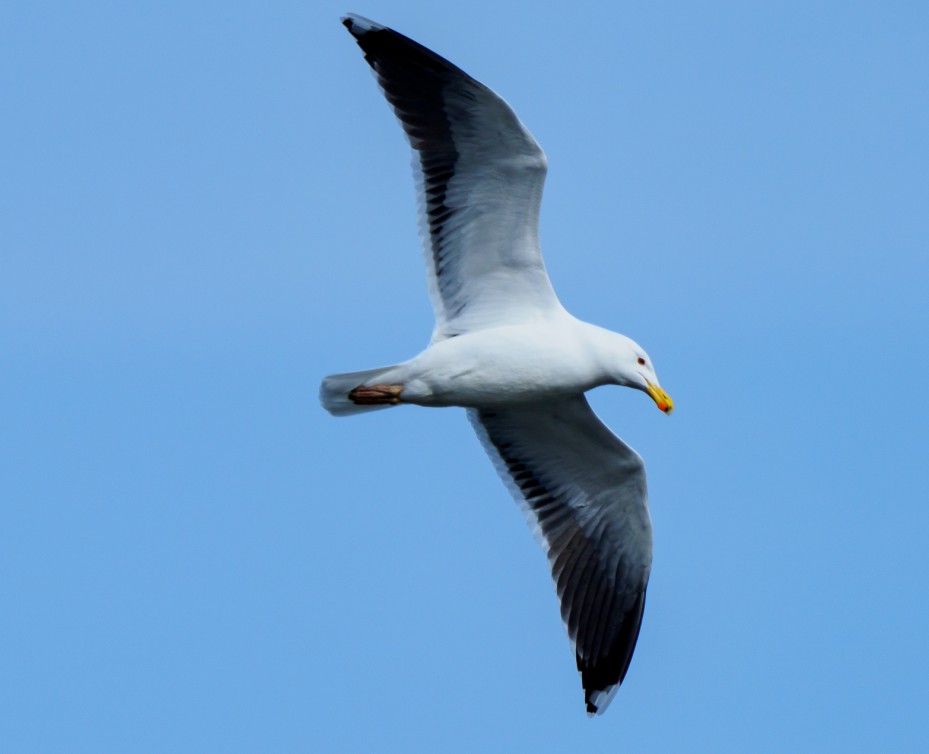
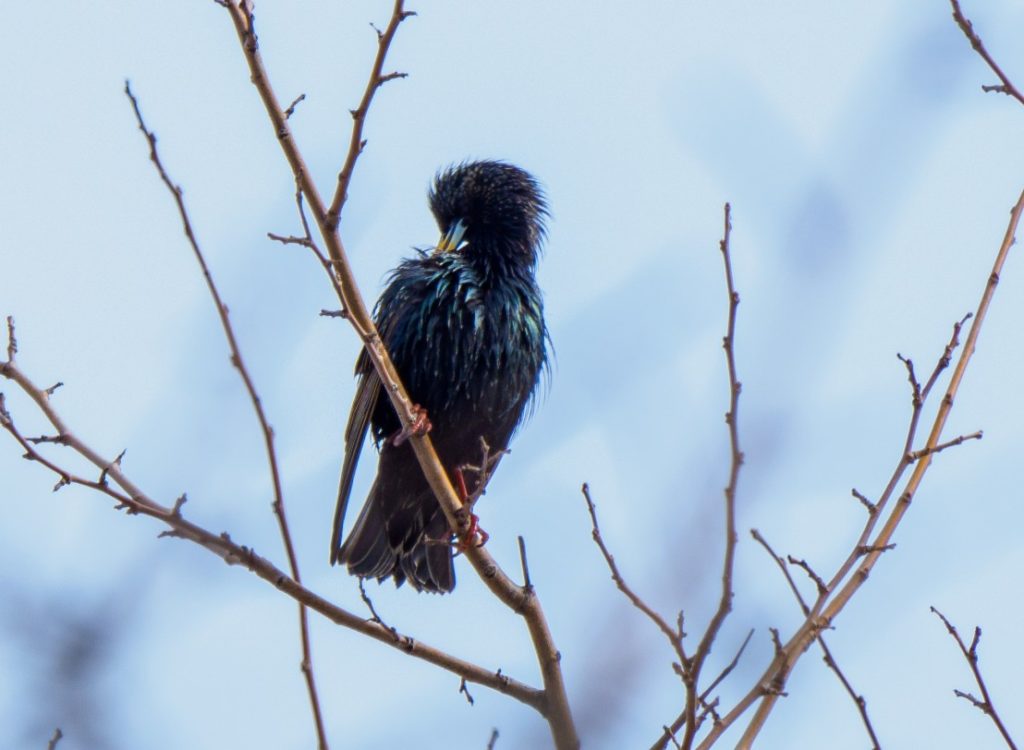
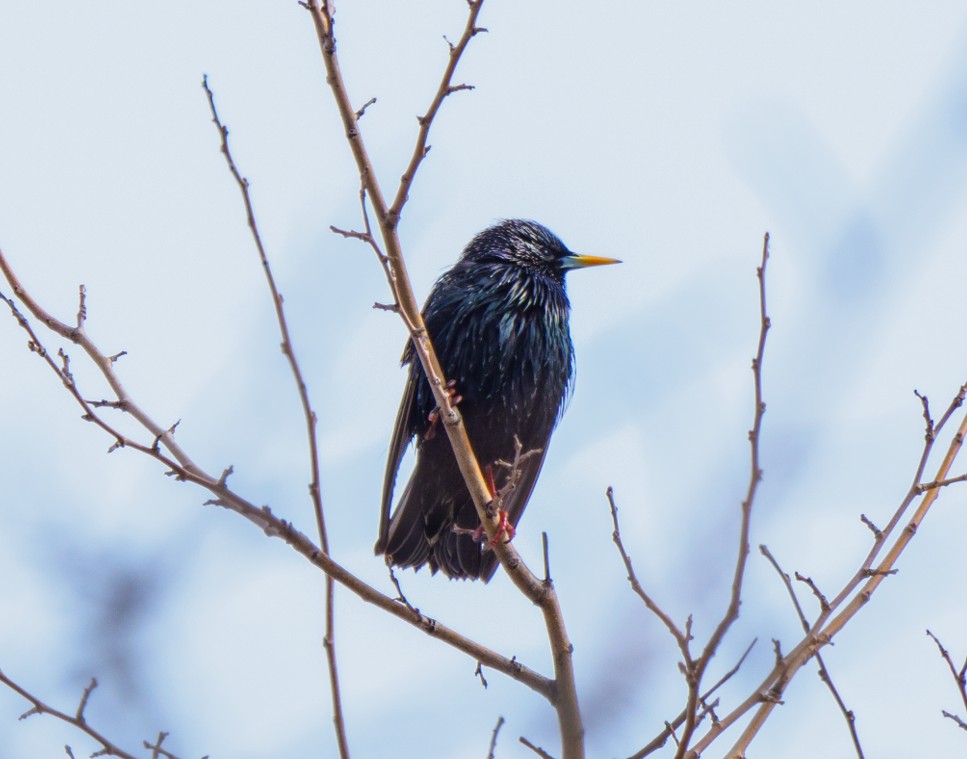
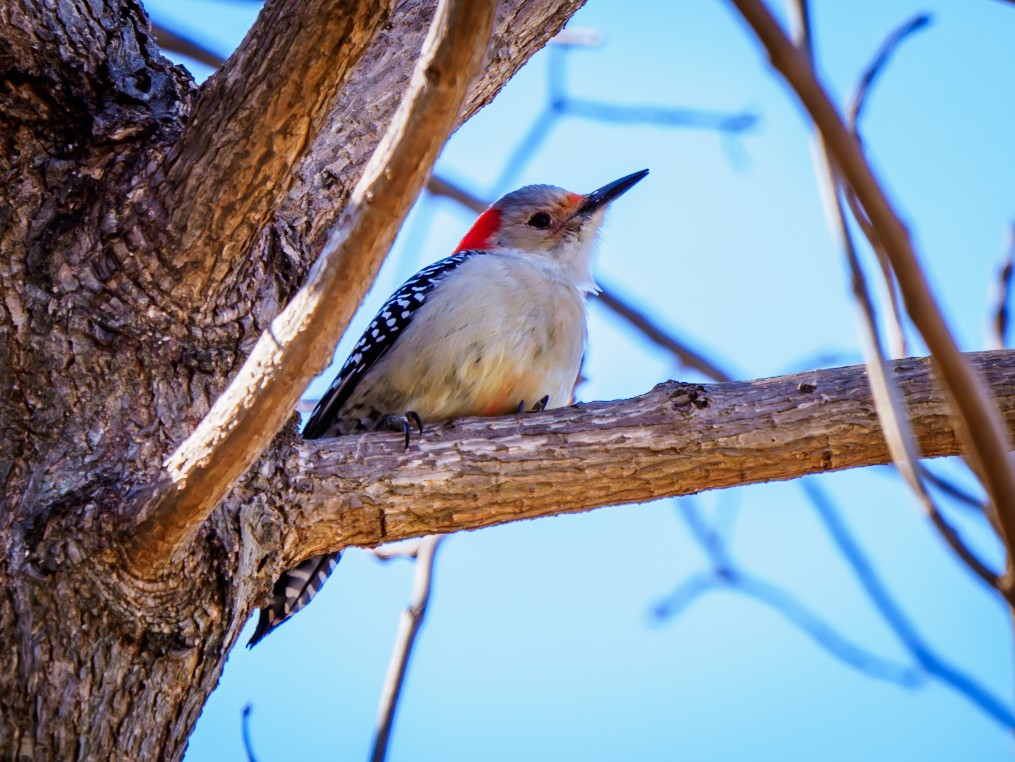
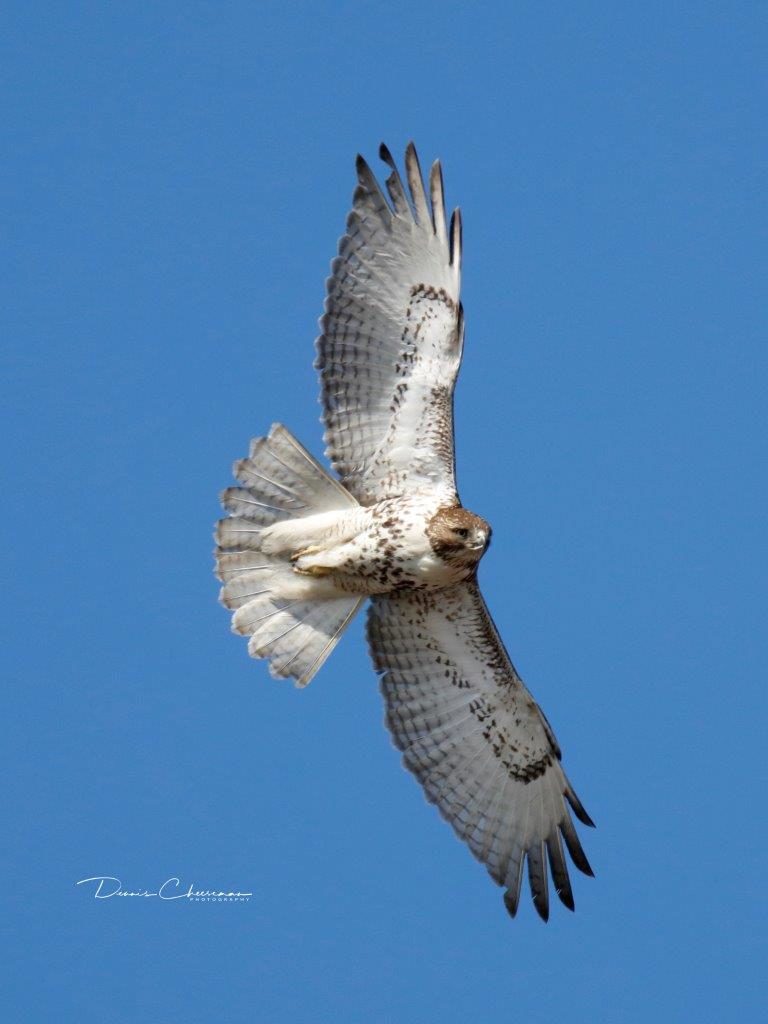
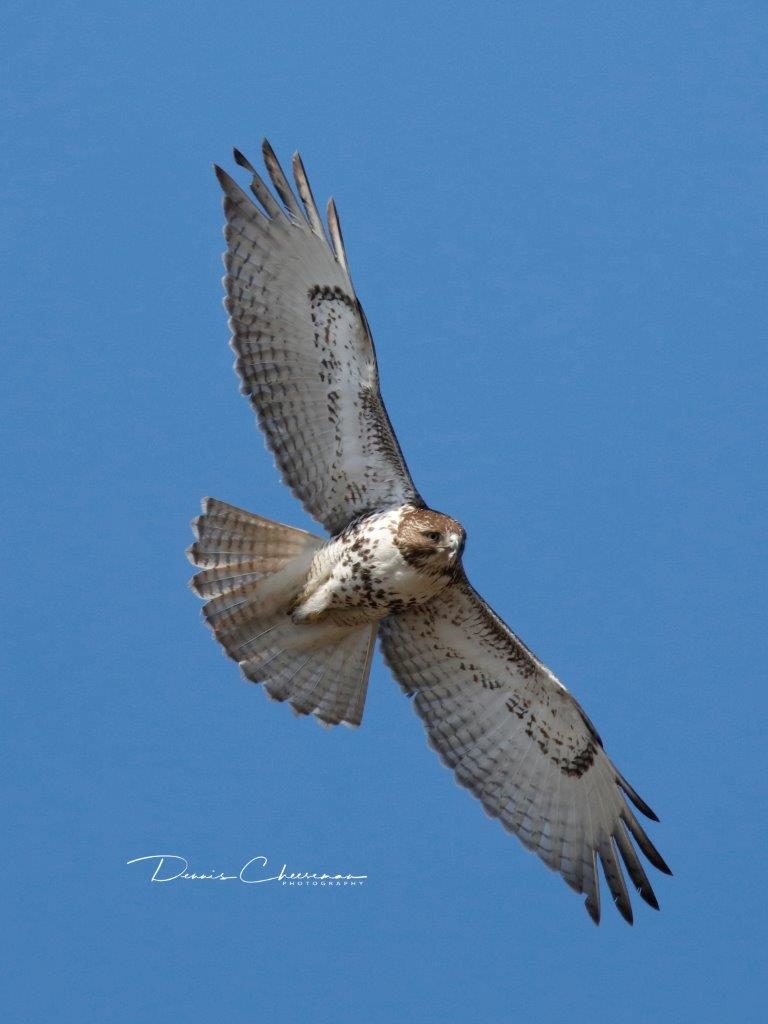
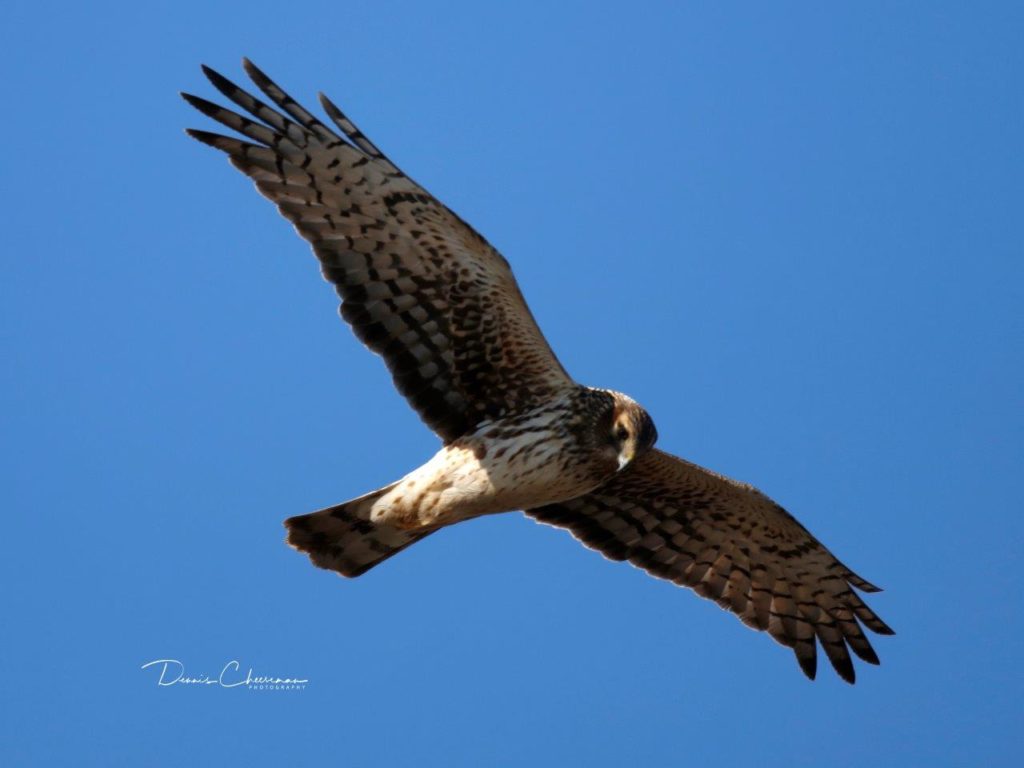
Join the Bergen County Audubon Society this Sunday, March 10, in DeKorte Park in Lyndhurst as they host the Wyncote Audubon Society from Pennsylvania. The free walk runs from 9:30 am to noon and they’ll be looking for waterfowl and raptors.
For more information contact Don Torino at greatauk4@gmail.com or 201-230-4983.
Take advantage tomorrow morning of a great opportunity to see a Meadowlands natural area that’s usually closed to the public. The Bergen County Audubon Society will lead a walk through Harrier Meadow, a beautiful, 70-acre natural area in North Arlington, from 9:30 am to noon. They’ll be on the lookout for wintering birds, ducks and raptors.
For more information contact Don Torino at greatuak4@gmail.com or 201-230-4983.
Join us this Sunday for a great day experiencing and learning about nature and birds in the Meadowlands beyond! First join the Bergen County Audubon Society for a nature walk through DeKorte Park in Lyndhurst from 10 am to noon as they look for wintering birds, waterfowl and raptors.
Then head to the Meadowlands Environment Center in the park at 1 p.m. for a special talk on Climate Change and its effect on birds by Dr. Brooke Bateman of the National Audubon Society.
Dr. Bateman is the National Audubon Society Senior Scientist of Climate. Her work focuses on helping birds survive climate change. Dr. Bateman is also leading Climate Watch, a survey conducted by community scientists across the country who will test the predictions in Audubon’s Birds and Climate Change Report against real-life sightings.
Don’t miss what’s sure to be a great day in the Meadowlands!
A tree is cut down in the backyard, a common
occurrence in suburbia, and hardly anyone notices. Maybe the sound of the saw and
the trucks hauling away the discarded wood earns a quick glance, and then life
goes on. Unfortunately, life may not go on so well for the vast numbers of
backyard wildlife that depends on the oak tree for their survival.
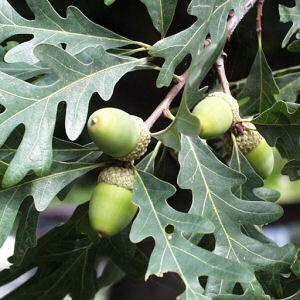
I am sure are all familiar with acorns. We get
annoyed when they fall on our driveway and are just raked up when they get on
our patio. But what most people are not aware of is how important they are to our
local wildlife.
Gray
squirrels, chipmunks, wild turkeys, crows, flying squirrels, rabbits, opossums,
blue jays, woodpeckers, raccoons, wood ducks and yes, deer, need acorns to
survive. At least 100 species rely on
acorns. They have evolved with them throughout time. In autumn and winter the
acorn is one of the most valuable food resources available for wildlife
survival.
And
yet as important as the acorn is, the most vital benefit of the oak tree to
wildlife may go completely unnoticed and ignored.
In the book “Bringing
Nature Home” Douglas Tallamy documented that oaks support 517 species of
Lepidoptera. That means 517 species of butterflies and moths that need the tree
to survive. Beautiful butterflies such as the Red-Spotted purple, Red Banded
hairstreak and Horace’s Duskywing need to oaks to lay their eggs, not to
mention the many more but no less beautiful moth species that can only endure
if they have an oak tree available to bring forth their next generation.
In turn those diverse species of insects provide
food to millions of migratory and nesting birds each year. The Warblers,
Orioles , Vireos and yes, even your
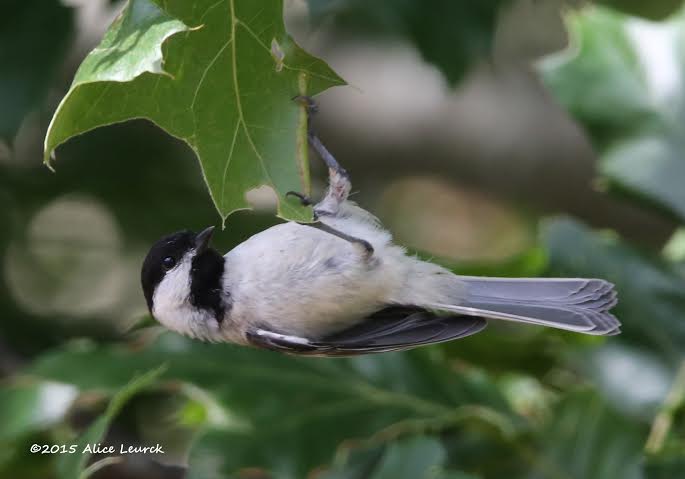
beloved backyard cardinals and chickadees, need those insects to feed their
young. And just in case you think all is good because we have a few non-native
trees in the backyard, think again.
While
the oak tree attracts 517 species of valuable insects something like the lowly
Bradford pear tree might attract maybe one or two species at best. This means
that even though your backyard is lush and green and lovely to the eye , if native
plants like the oaks are not present, your yard becomes a wasteland for
wildlife .
If
you are an experienced birder you are well aware of the value of the oak trees.
Most likely you have heard of something called the “magic tree.” Simply put,
the magic tree is a tree where you always seem to find the best birds when
visiting the area and most of the time your enchanted tree winds up to be a
species of Oak. Why? Because it provides exactly what the birds need precisely
at the time our birds need them the most.
And
then of course there is the housing shortage here in the Garden Stat , not only
for us humans but for wildlife also. The Oak tree makes great nesting places
for owls, hawks, woodpeckers and Nuthatches, just to name a few. The next time
you have a woodpecker trying to make a home on your home, keeping up your oak
trees may be something to think about .
The
great conservationist John Muir once said, “When we try to pick out anything by itself, we find it
hitched to everything else in the Universe.”
When it comes to our
oak trees we now know how many of the creatures that we love and cherish depend
on these wonderful trees. So save an oak when you can, plant new ones whenever
and where ever you can, and tell your neighbors and friends that we need our
backyard oaks to make sure we continue to live among thriving life forms essential to life as we
know it.
Trees
are as alive as much as any bird, butterfly or human for that matter. We just
need to remind ourselves that our backyards are an integral part of a complex
ecosystem , no less important than any nature center or State Forest .
We
must take the wildlife that now depends on us into consideration when caring
for our backyard wildlife habitats.
Take advantage of an opportunity to explore Harrier Meadow, a spectacular natural area in North Arlington that is usually closed to the public! The BCAS leads the walk and we’ll be on the lookout for wintering birds raptors and ducks like the Common Merganser pictured above. For more information, contact Don Torino or call 201-230-4983.