
Many thanks to Jill Weiss for these photos taken yesterday at DeKorte Park of a beautiful Black Skimmer doing what skimmers do best!
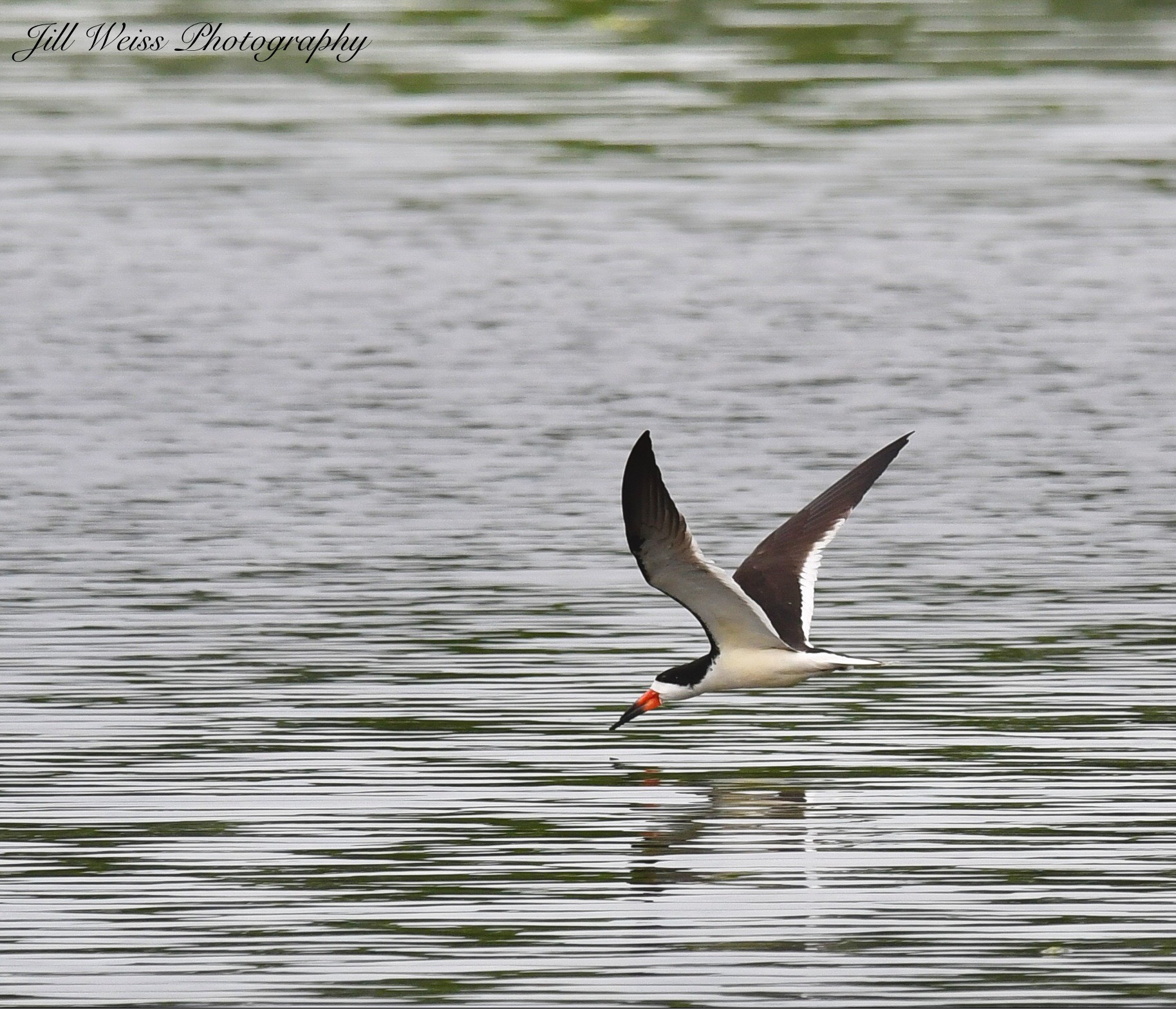


Many thanks to Jill Weiss for these photos taken yesterday at DeKorte Park of a beautiful Black Skimmer doing what skimmers do best!
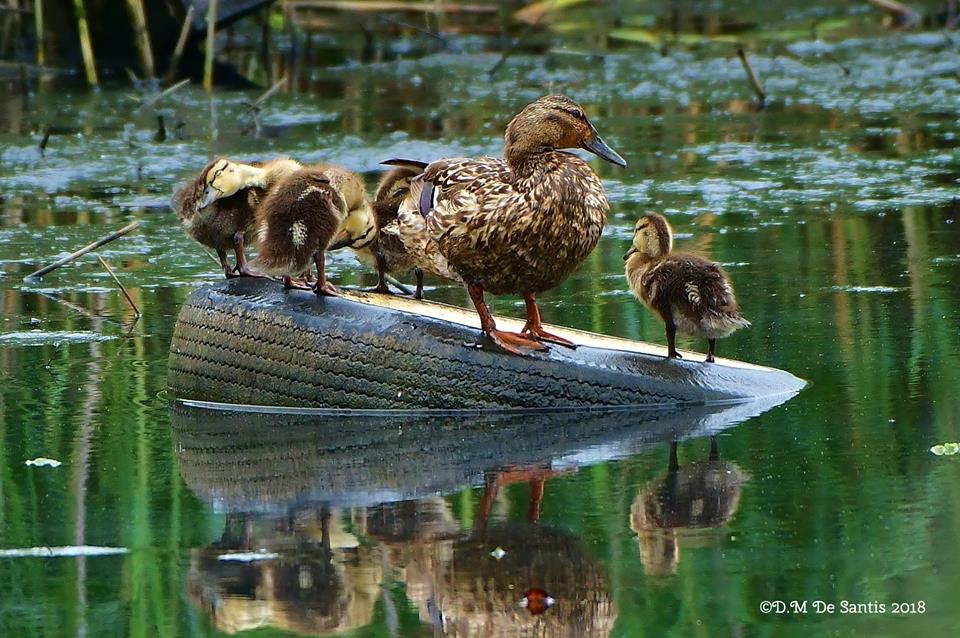
Having a rough morning. This Malllard family photo courtesy of Dee De Santis should cheer you up! Too cute!

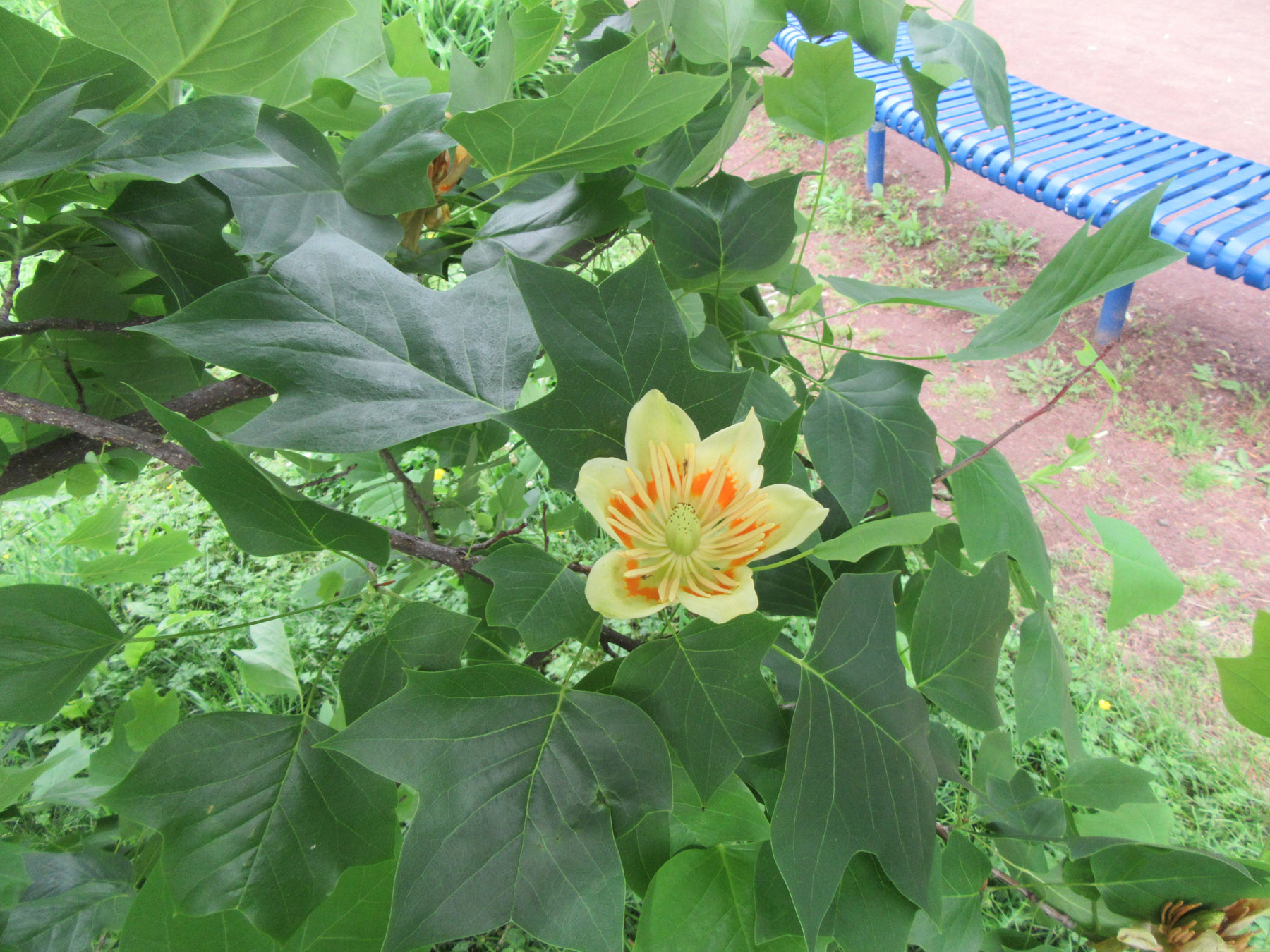
The tulip tree in DeKorte Park has started to bloom! Our own Gaby Bennett-Meany took these photos. The tree is likely a teenager. According to the Ohio State University Extension the tulip tree “often does not flower until it reaches at least 15 years of age, and even then only sparsely in the uppermost reaches of the tree, making the upright-held flowers more difficult to notice and appreciate.


Muskrat
As promised,here’s our final batch of photos of the day from Joe Koscielny taken during Sunday’s Bergen Audubon walk at DeKorte. Here we’ve got some great wildlife and plant-life shots. Thanks again Joe!

Mallards

Tulip
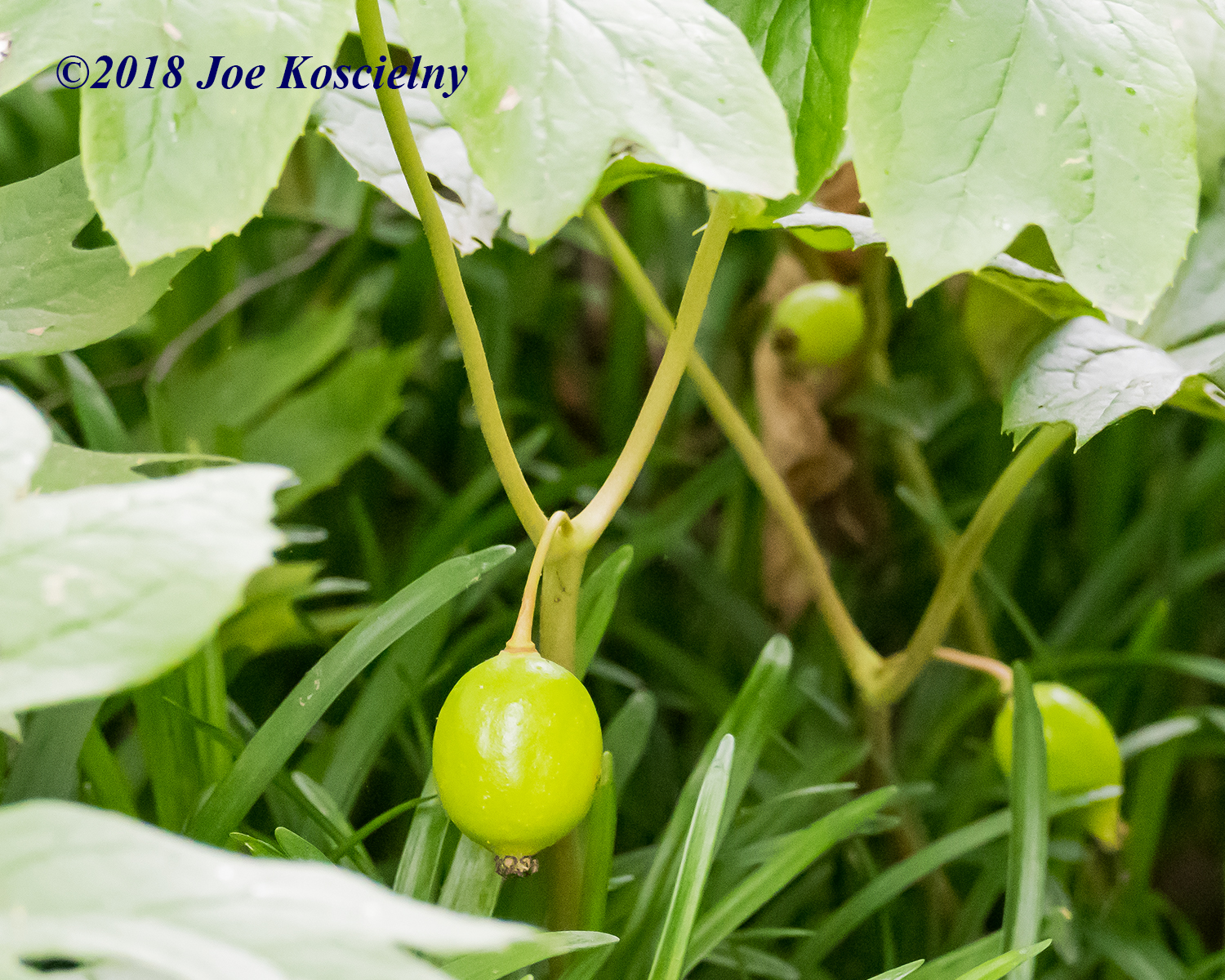
Mayapple

Spiderwort

Osprey
Here are some more photos from Joe Koscielny taken during Sunday’s BCAS walk at DeKorte Park. We’ll have another batch from Joe later this afternoon. Thanks Joe!
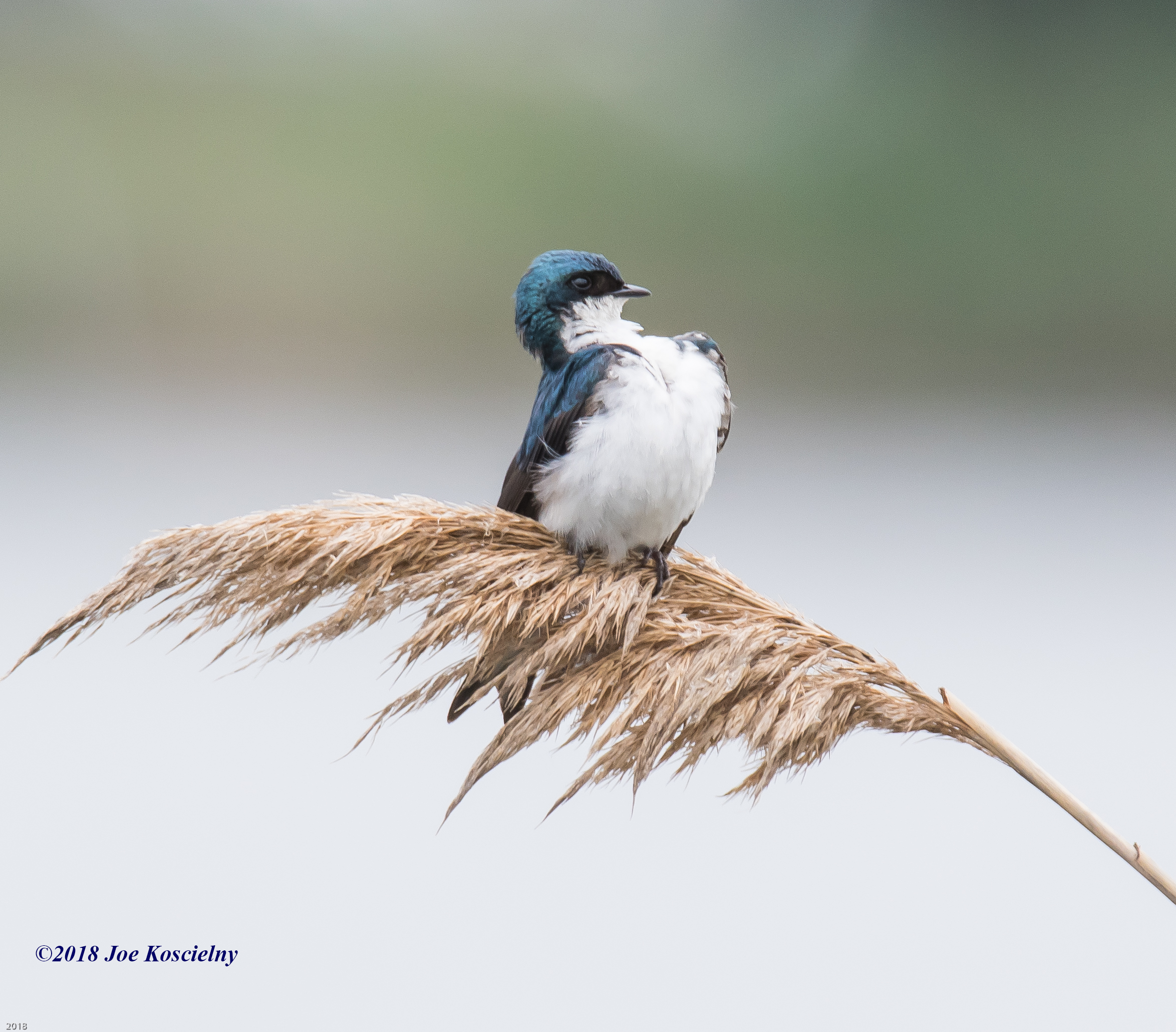
Tree Swallow

Tree Swallow

Mute Swans
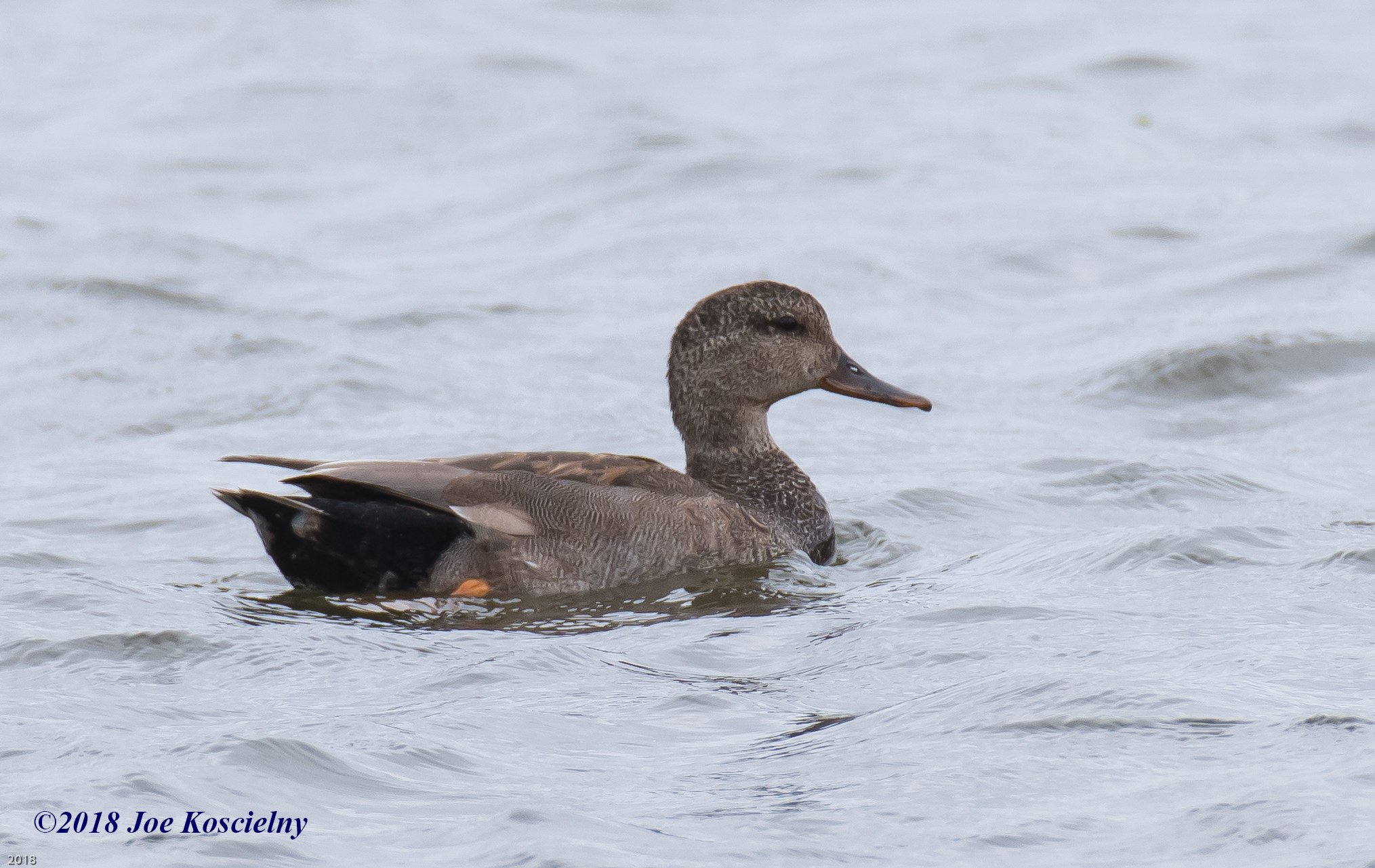
Gadwall

Marsh Wren

Great Egret

Forster’s Tern
What a perfect morning! We’ll start the day with some great photos that Joe Koscielny took in DeKorte during this past Sunday’s Bergen Audubon walk. We’ll have more from Joe throughout the day!

Forster’s Tern

Baltimore Oriole
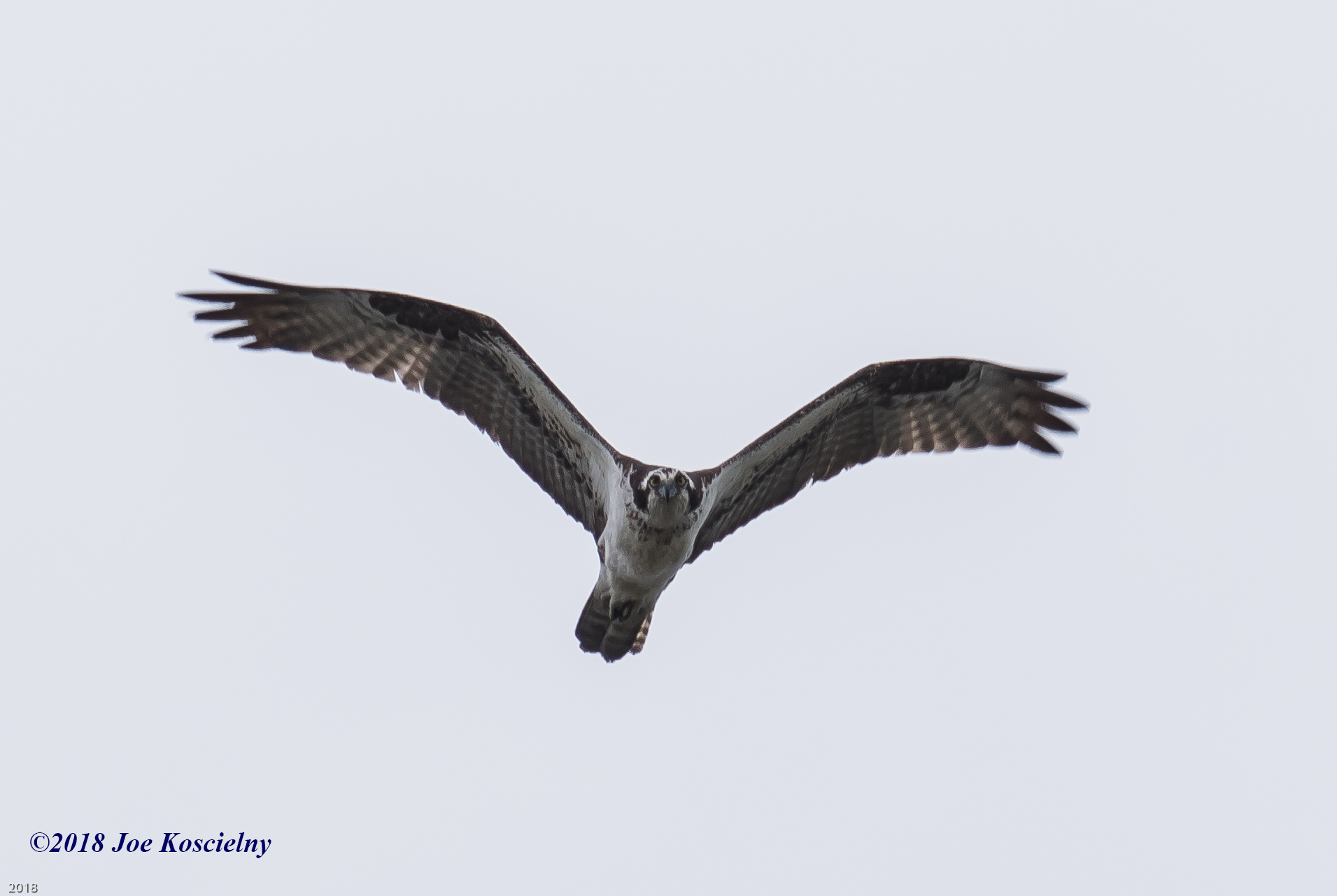
Osprey

Red-winged Blackbird

Tree Swallow
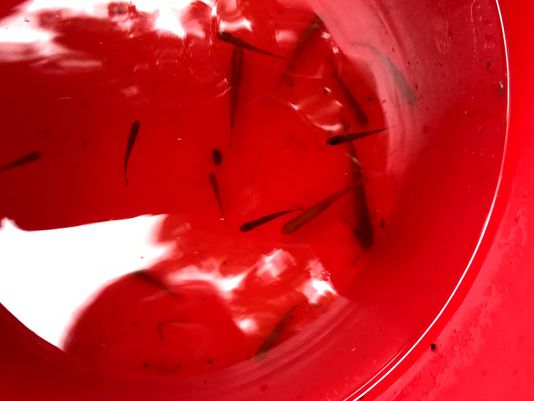
Photo by Amy Newman/northjersey.com
Cool story on northjersey.com about Bergen County deploying Fathead Minnows into local ponds to east mosquito larvae. It’s especially timely as this year’s wet spring has resulted in more favorable breeding grounds for mosquitoes.
According to the story the small fish “has a big appetite for mosquito larvae. So the state Department of Environmental Protection raises them at its hatchery in Warren County because fathead minnows — an alternative to pesticides — are the go-to natural weapon of choice for many mosquito control commissions throughout the state.”

Flycatcher
Join the Bergen County Audubon Society this Sunday, June 3, for a guided nature walk through DeKorte Park in Lyndhurst! It’s a great opportunity to experience the Meadowlands’ natural beuaty in its premier park. They’ll also be on the lookout for spring migrants, flycatchers and shorebirds.
The walk goes from 10 am to noon.
For more information contact Don Torino at greatauk4@gmail.com or 201-230-4983

Check out the story on northjersey.com on the banding of Peregrine Falcon chicks in Jersey City this week, with an assist from Bergen County Audubon Society members including President Don Torino (pictured above)! The story also explains the decline and comeback of Peregrines in New Jersey, their nesting patterns and amazing, dive-bombing feeding displays.

As conservationists and nature lovers we are all very much concerned about the future of our birds and of course all of our wildlife. Climate change, habitat loss and pollution top the list of issues that keep us up at night worrying if future generations will get to enjoy nature the way we have.
But at the same time I see things that many folks do every day that just seems to turn a blind eye to the wildlife that tries so very hard every day to survive right around our own neighborhoods. Somehow, we have managed to disconnect ourselves from the rest of the world believing that what we do at home does not affect the overall ecosystem, but in reality it very much does and the future of many species may ultimately depend on how we conduct ourselves in and around our own backyard.
So If you are ready for a little tough love please continue reading.