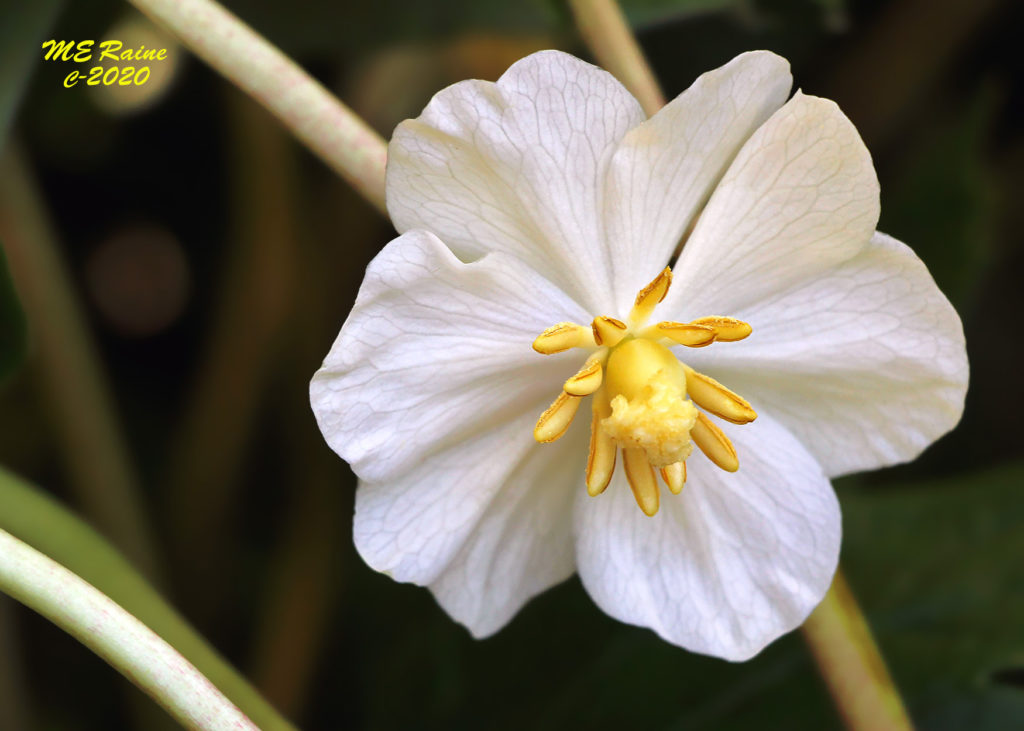
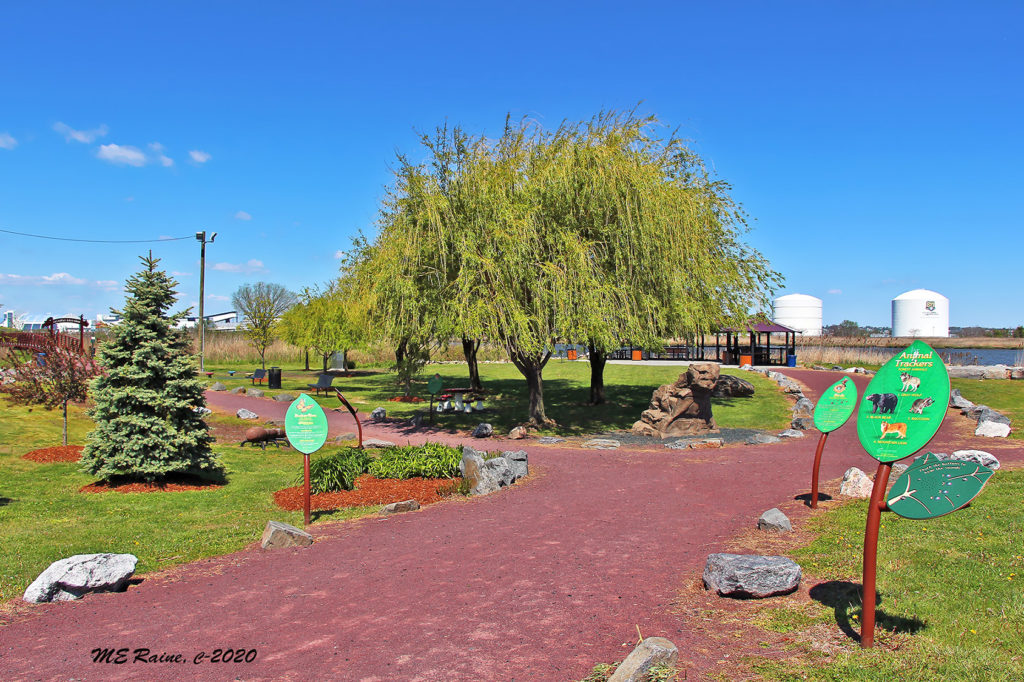
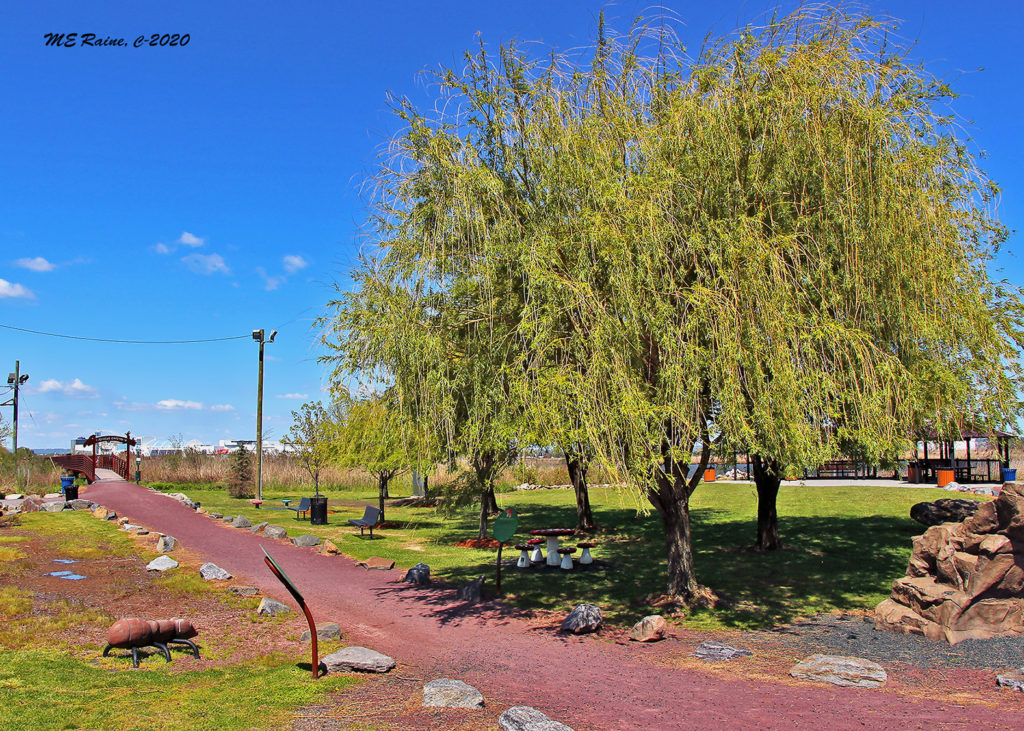
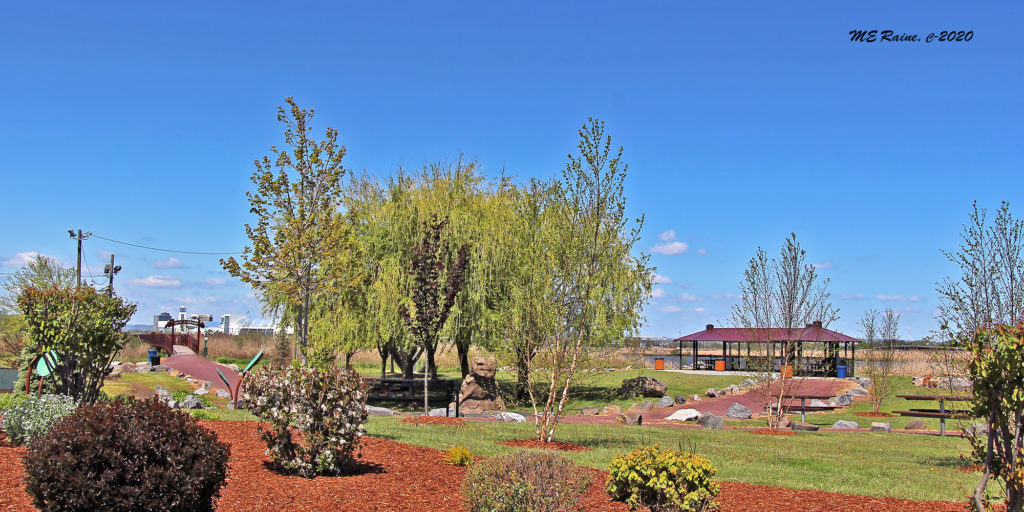
Come to DeKorte Park and check out its amazing array of plants and flowers. Thanks to Elaine Raine for these wonderful photos showing what you’re in for!
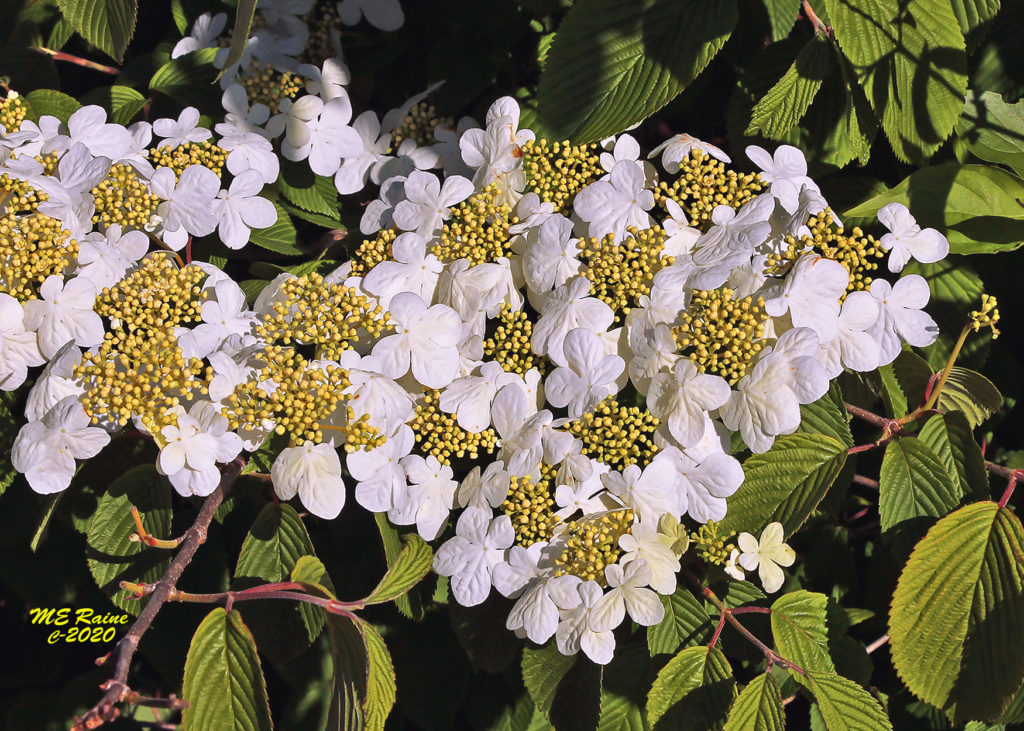
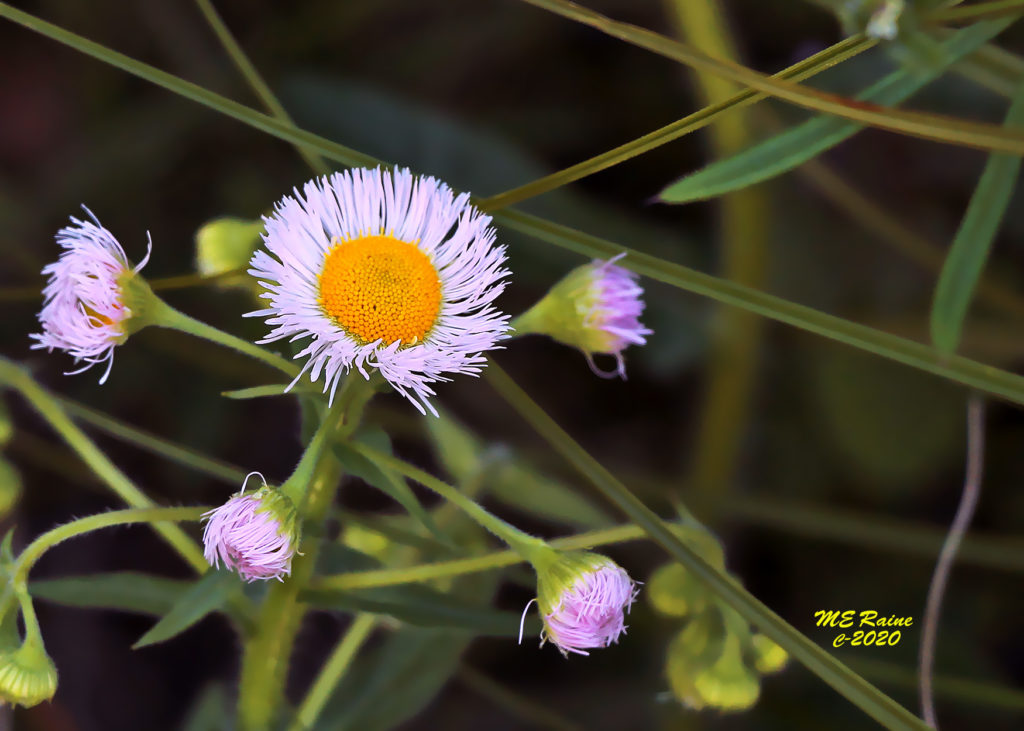
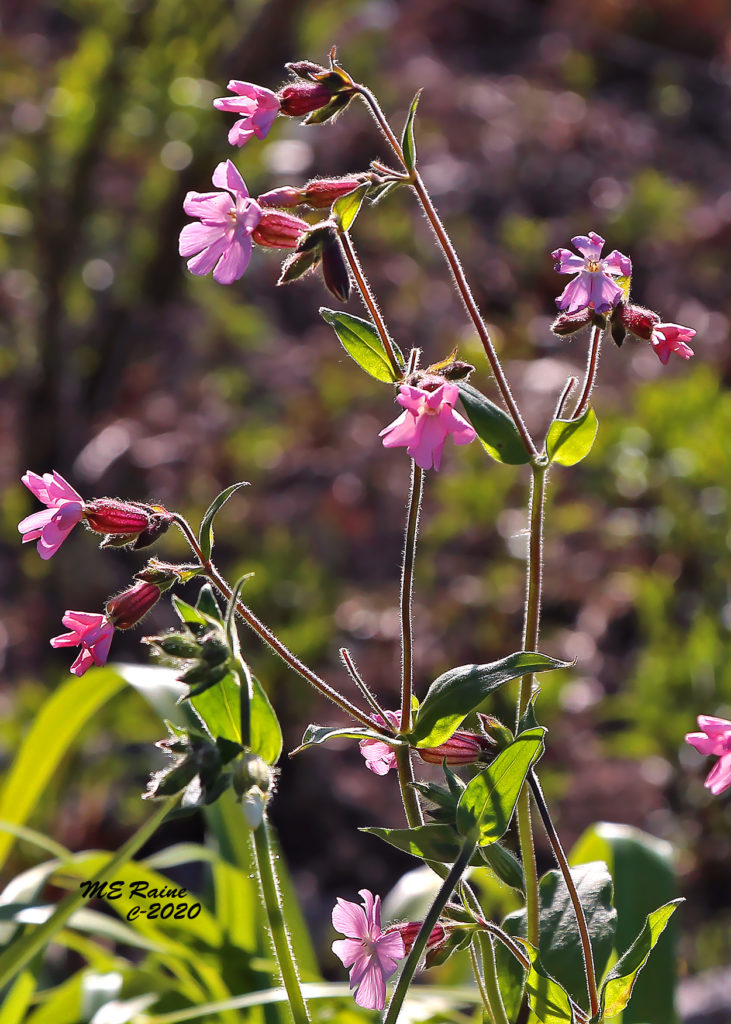

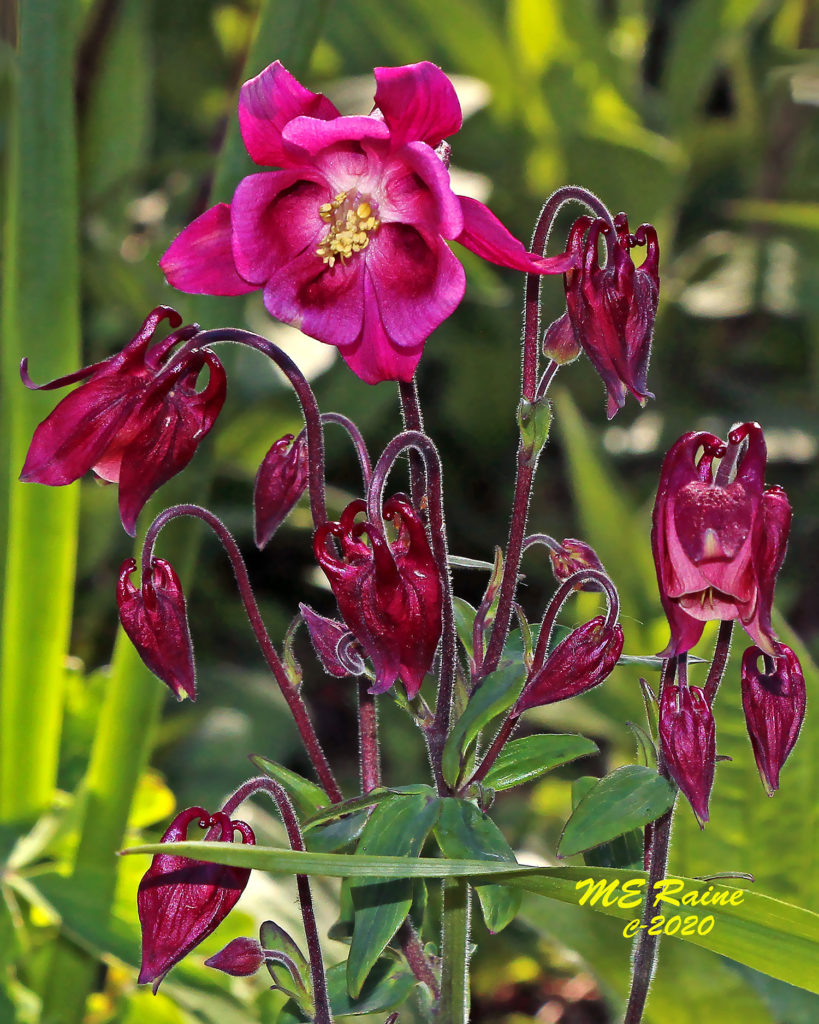


Come to DeKorte Park and check out its amazing array of plants and flowers. Thanks to Elaine Raine for these wonderful photos showing what you’re in for!
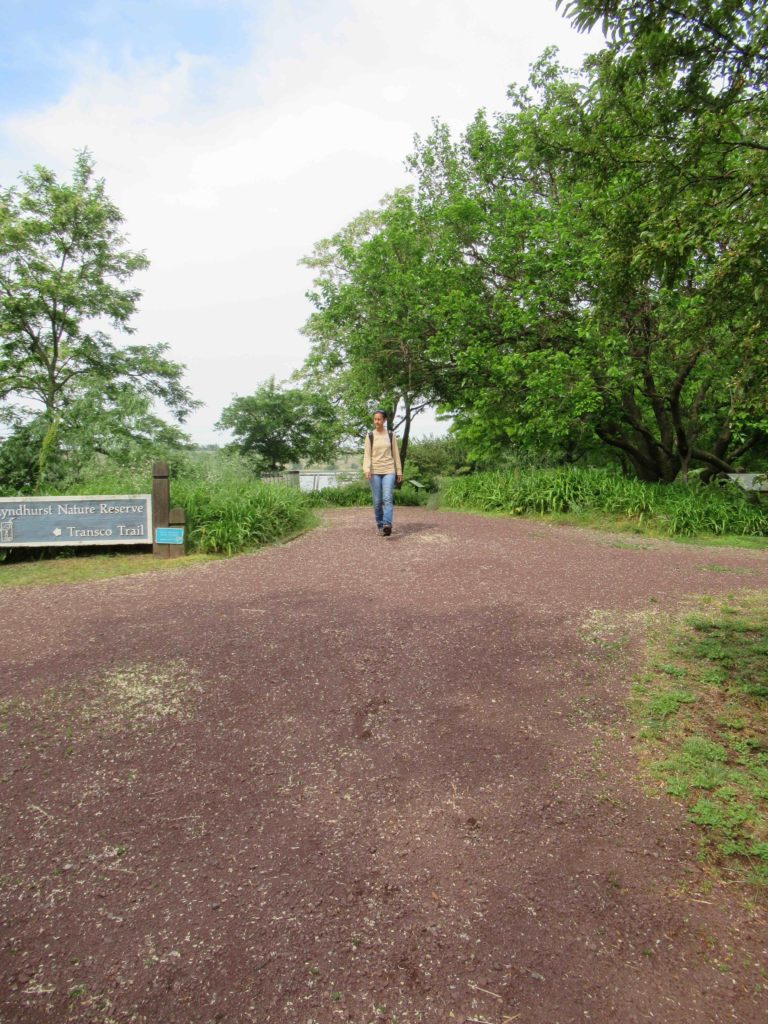
Beginning this Saturday (June 6), the Marsh Discovery Trail and Kingsland Overlook at DeKorte Park will be reopened for public use. All trails at DeKorte are now open. The reopenings follow the opening of the Saw Mill Trail last week. Please continue to use the park appropriately, follow all rules and regulations, and enjoy the trails.
Fittingly, this Saturday is also National Trails Day, a yearly celebration of all the incredible benefits federal, state and local trails provide to us. The recognition of parks and trails as healthy, beautiful spaces has been especially prevalent now. For more information go to https://americanhiking.org/national-trails-day/
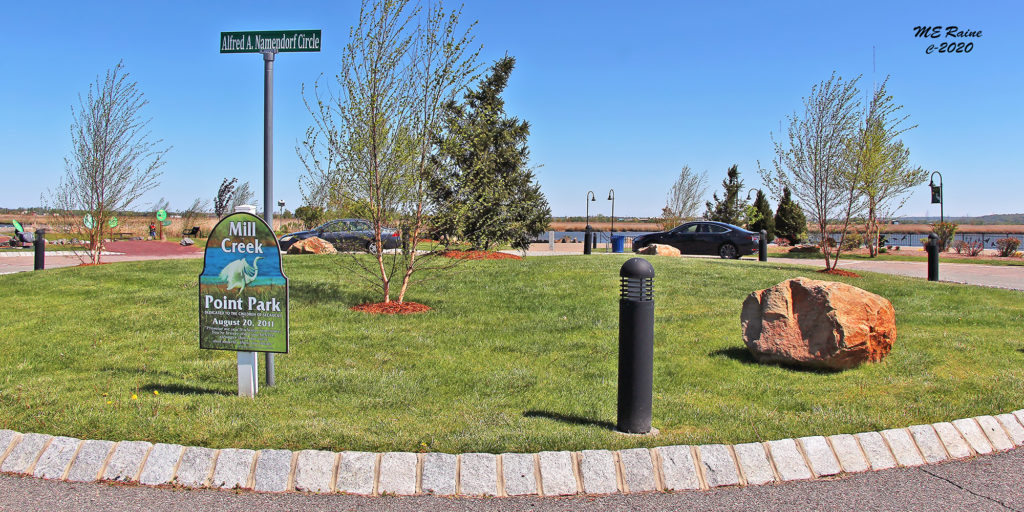
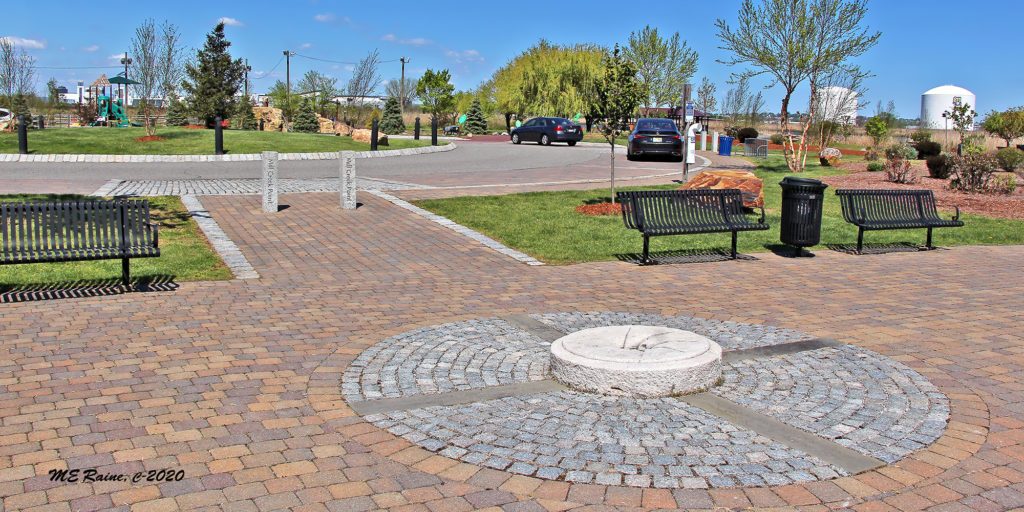
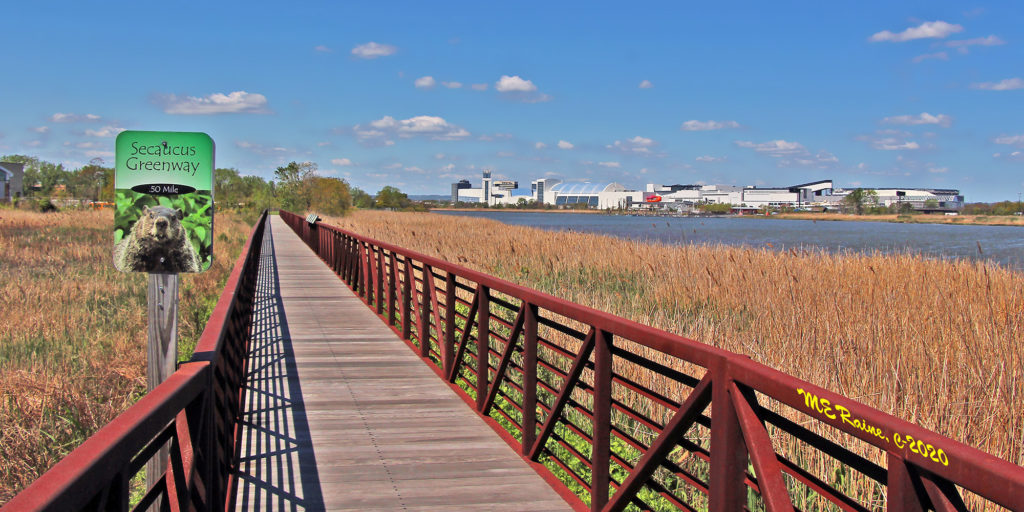
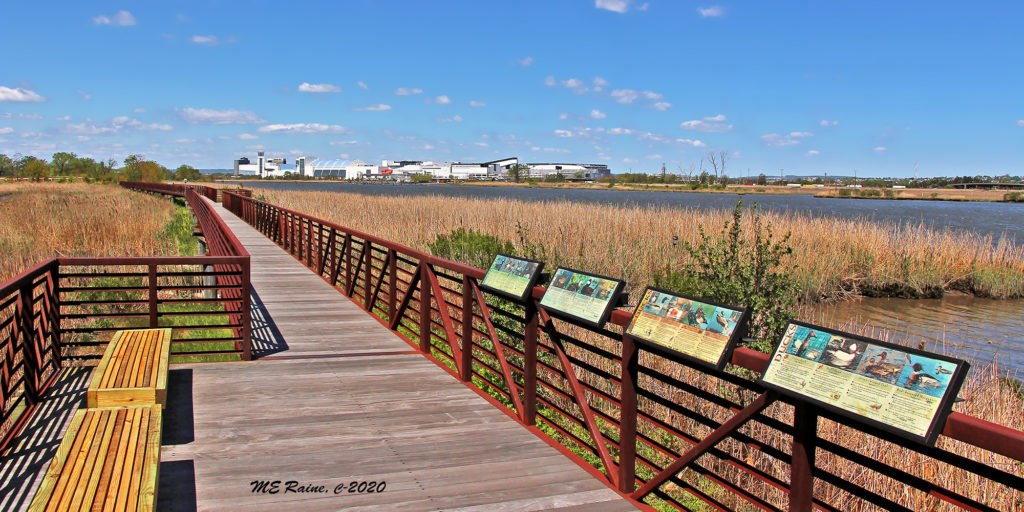
Thanks to Mickey Raine for this series of photos of Mill Creek Point Park in Secaucus, an absolutely beautiful gem of the Meadowlands. Photos include the boardwalk over the marsh accessible from the park. Gorgeous shots Mickey!
I am sure every one of us felt deeply offended and saddened by the incident in the Central Park Ramble last week. This was a wakeup call that spoke to our sense of humanity and a sad reminder that not much has changed and we have a long way to go and a lot of work to do to even begin to try to make things as they should be.
And although it may seem trivial to many and difficult to understand for some I was not only personally, deeply offended as a human being but also as a birder. Yes, here was someone out trying to enjoy a passion that is a big part of who I am and just for simply asking a person to leash their dog (something many of us have done many times on the birding trails) was threatened, endangered, and humiliated because of the color of his skin.
Immediately I wanted to personally say I was very sorry this happened but also let him know that of course he is a member not only of the family of man but also a member of our tightknit birding community. Our family where all of us know each other in one way or another, have the same pursuits and passion, and most of all possess a common love of the birds and nature that binds us together and makes us kindred spirits no matter who we are.
Now granted, birding has come a long way and yes it still has a good ways to go about bringing in more people of color before it is considered a vast melting pot of family members. For too long birding itself was considered a well-to-do white person’s pastime. Years back birding clubs were for an elite few that were already considered expert birders that traveled the world with only the finest equipment and did their best to keep birding groups as their own private society.
Today birders are the kindest, most giving, sharing and welcoming group of people I am proud to know. But years ago, even as a middle-aged white man when I first went out with birding groups it took a while to fit in and feel welcome. I can only imagine how hard or impossible it may have been for others back in those bad old days. But a lot has changed over the years and as National Audubon Society President David Yarnold said, “This is Not Your Grandmother’s Audubon Anymore…” And I am sure she would be very glad it isn’t but we still have a long way to go before everyone feels open to going outdoors with a pair of binoculars, something most of us just take for granted .
I firmly believe that birding is untimely the great equalizer. It does not matter how old you are, male or female, how much money you have or don’t have, what kind of car you drive or if you drive at all, where you happen to live, what you do for a living or yes, even the color of your skin. It’s all about the birds. I have welcomed people on our field trips for many years with absolutely no idea where they come from or what they do for a living and there is no need to discuss such trivial issues when witnessing the wonders of migration and watching an eagle soar overhead.
The future of our birds will depend on everyone being welcome to the birding family. We will not be able to fight climate change, preserve habitat and protect endangered species unless we all step up and help more people from all walks of life find in their hearts the love of the birds and nature the way we all have. We cannot keep it to ourselves. We need to help provide the opportunity and the chance for everyone to discover the outdoors. Our birds are depending on us all.
Beginning this Saturday (May 30), the Saw Mill Trail at DeKorte Park will be reopened. The Marsh Discovery Trail and Kingsland Overlook remain closed at this time.
The reopening of the Saw Mill Trail is a result of the public adhering to social distancing mandates and respecting the park (not littering) over the past month. We will continue to closely monitor social distancing practices and litter. The trail may be closed again if policies are not followed. Please continue to follow all park rules and regulations.
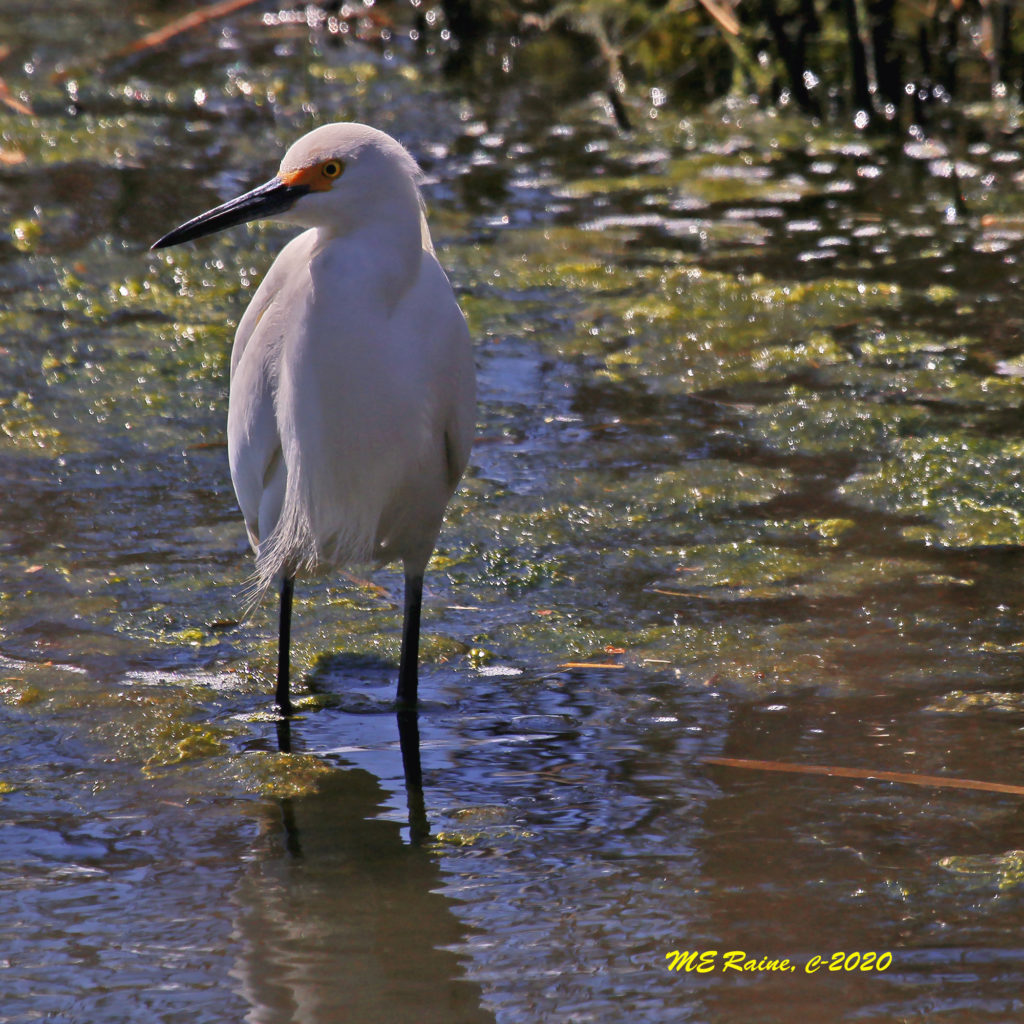
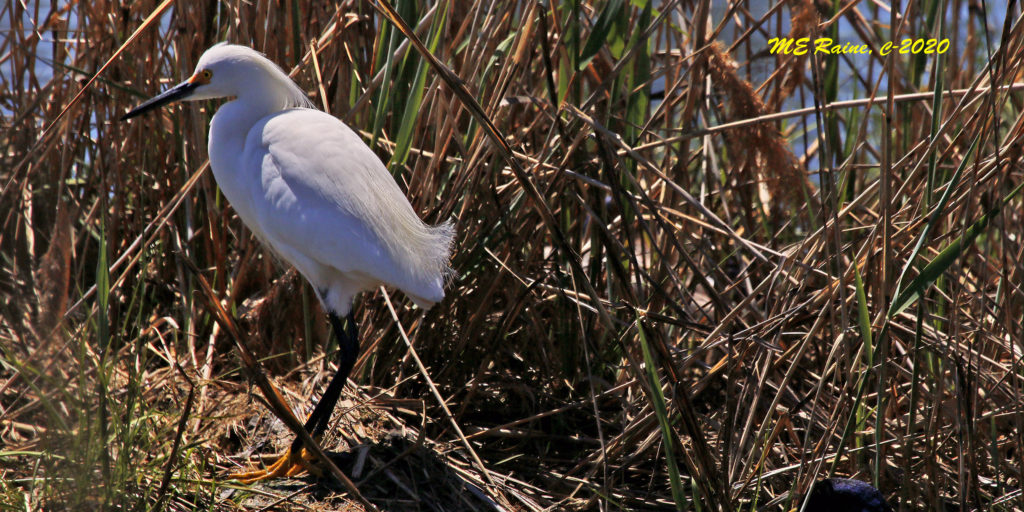
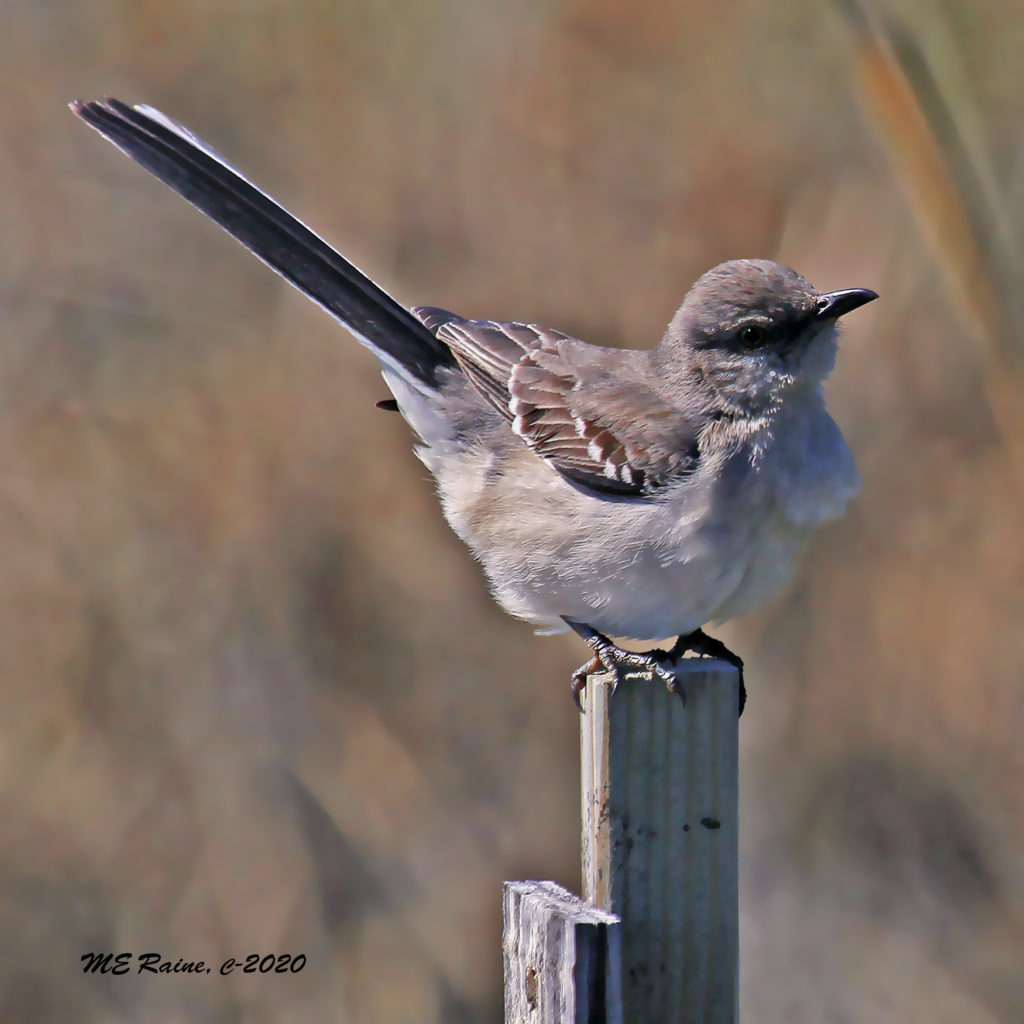
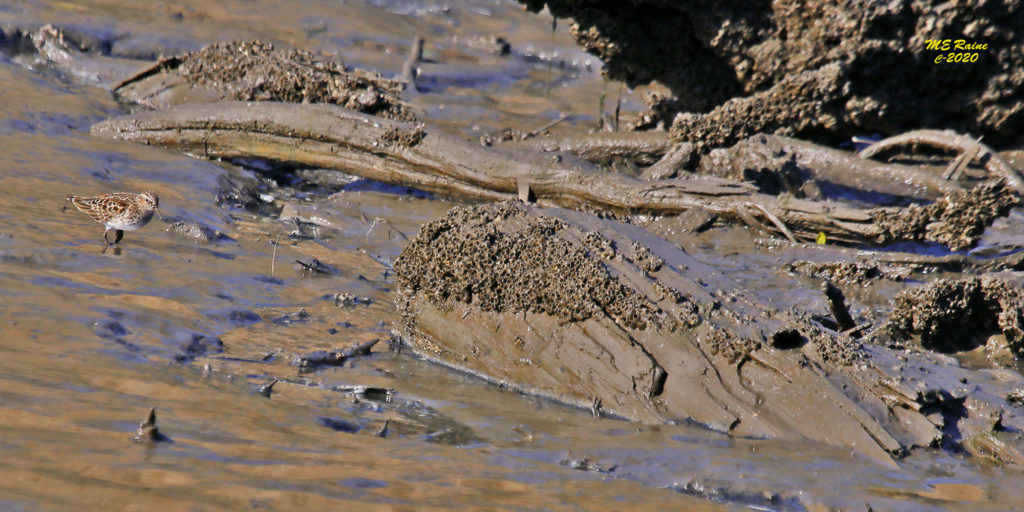
Thanks to Mickey Raine for these fantastic photos of a Snowy Egret at DeKorte Park plus a Northern Mockingbird (is the first pic their way of telling us off?), Song Sparrow and Least Sandpiper, all from Mill Creek Marsh. Great work Mickey!



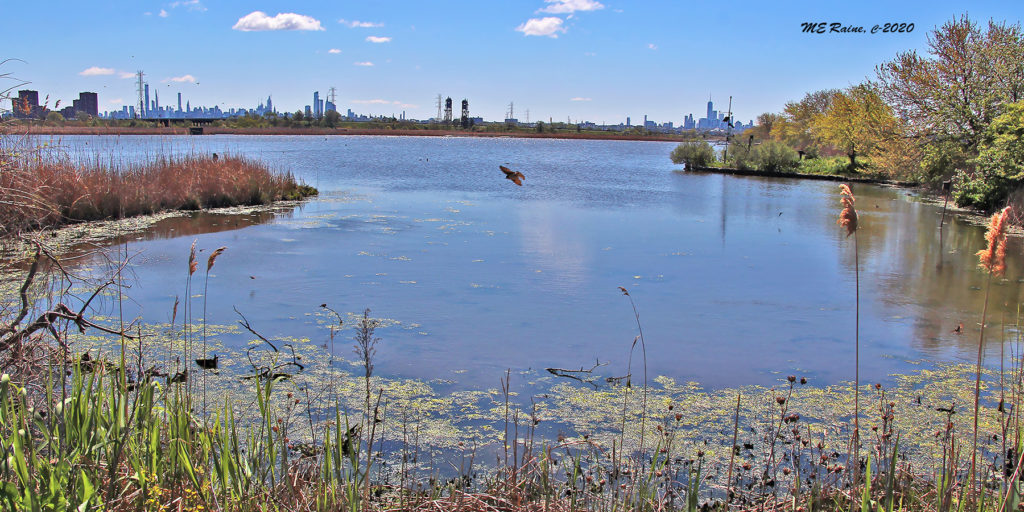
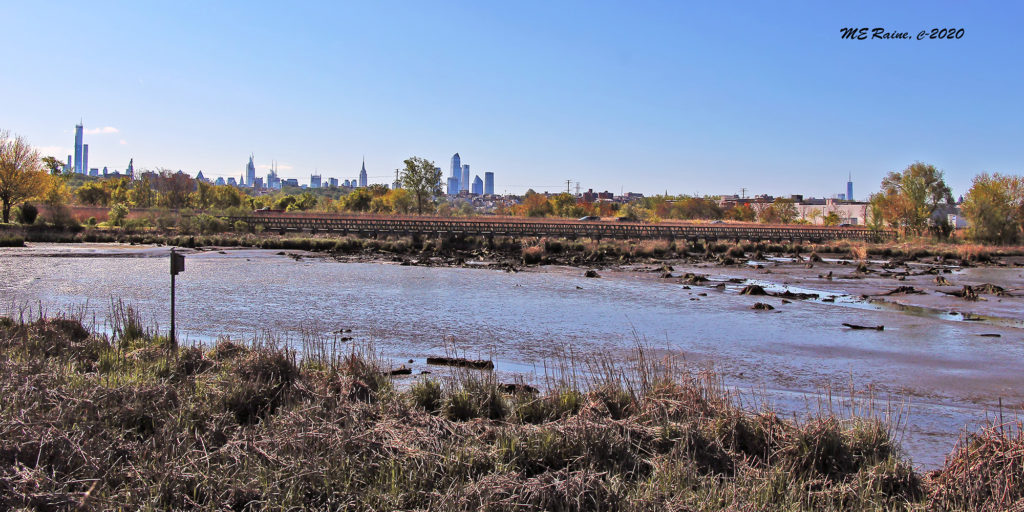
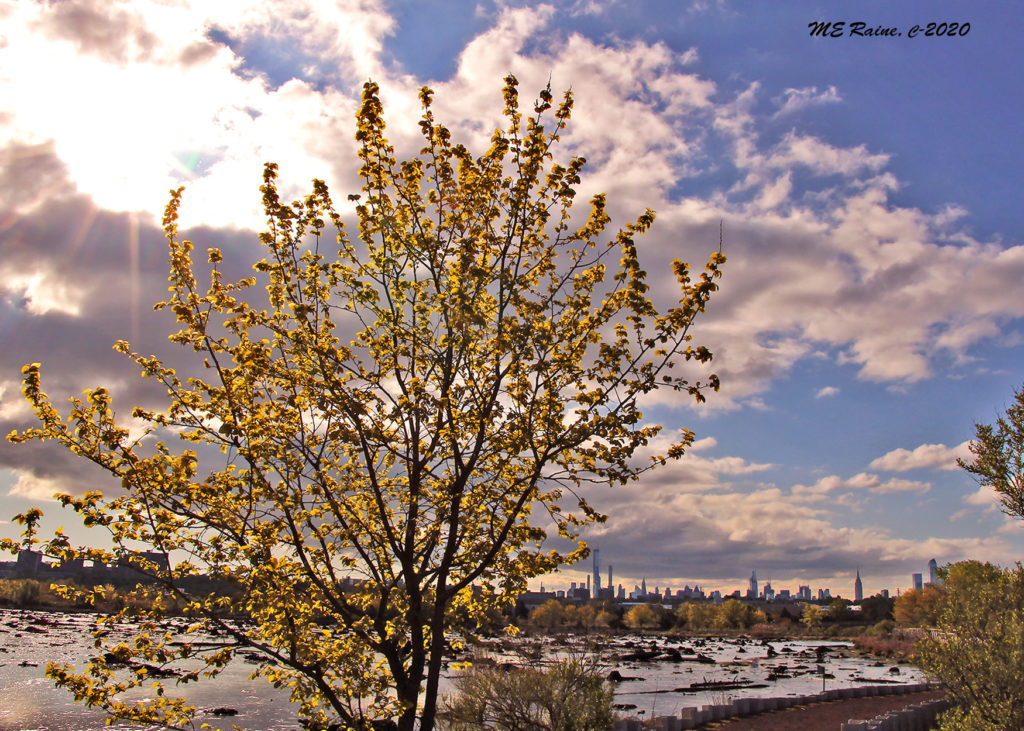
Thanks to Mickey Raine for these scenic shots of the New York City skyline taken from DeKorte Park in Lyndhurst and River Barge Park from the vantage point of Mill Creek Point Park in Secaucus.
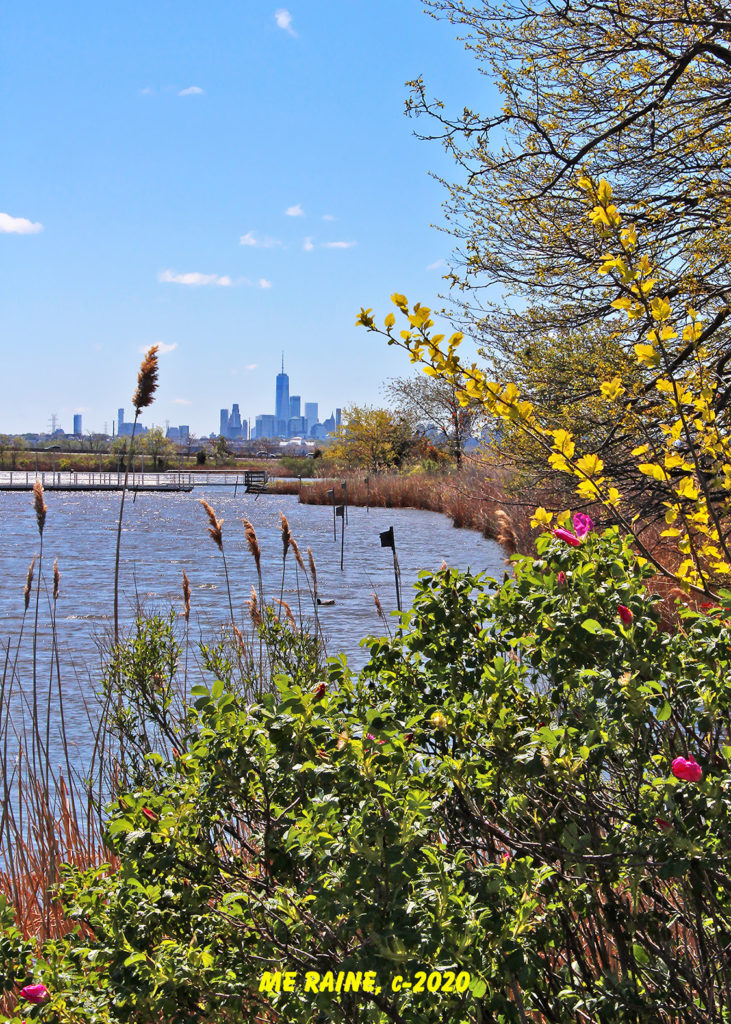
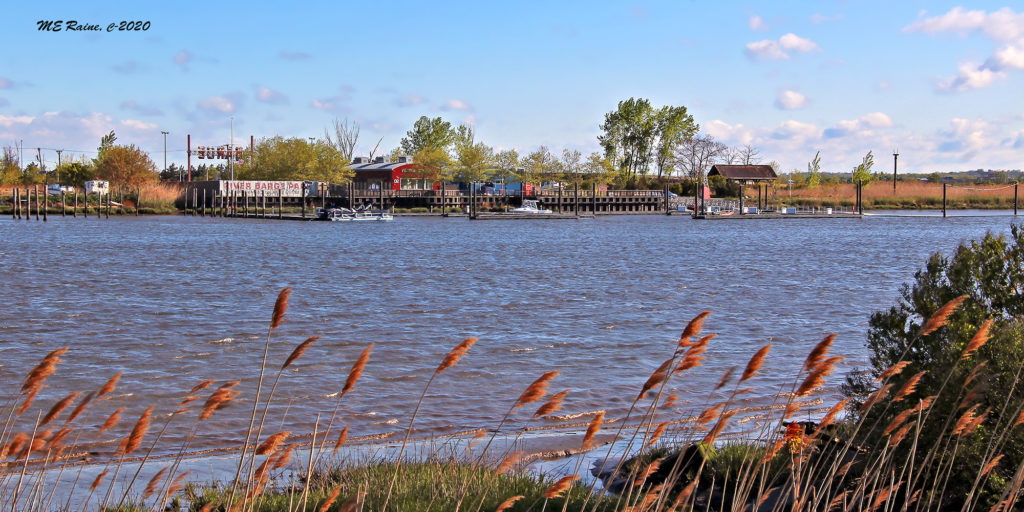
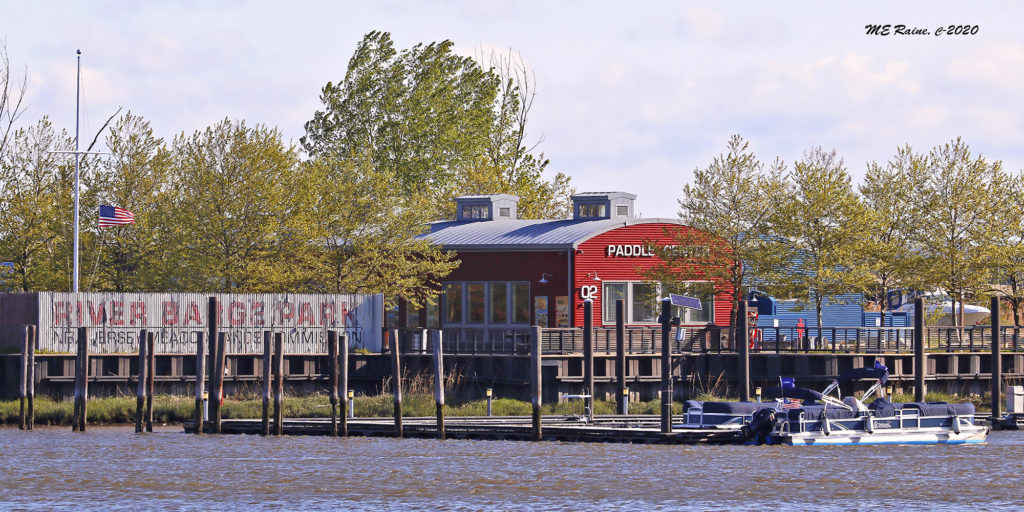
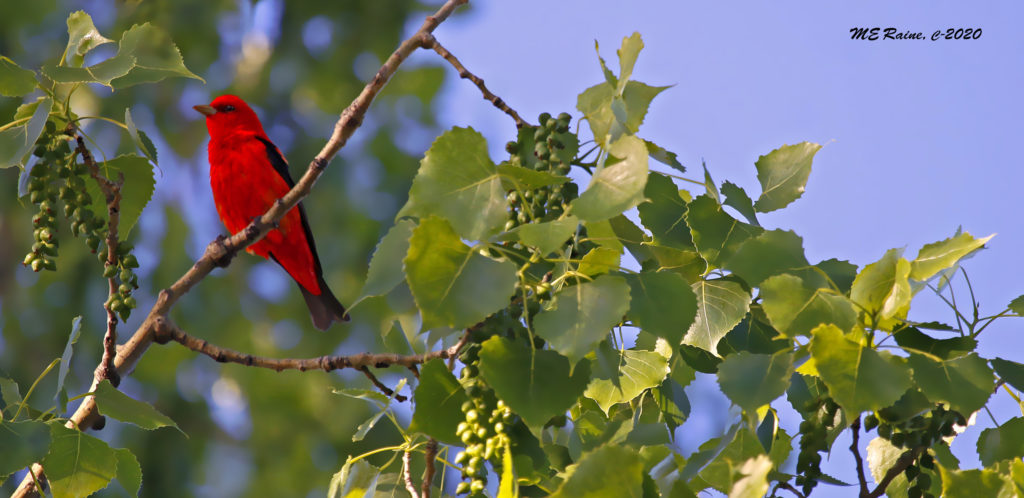
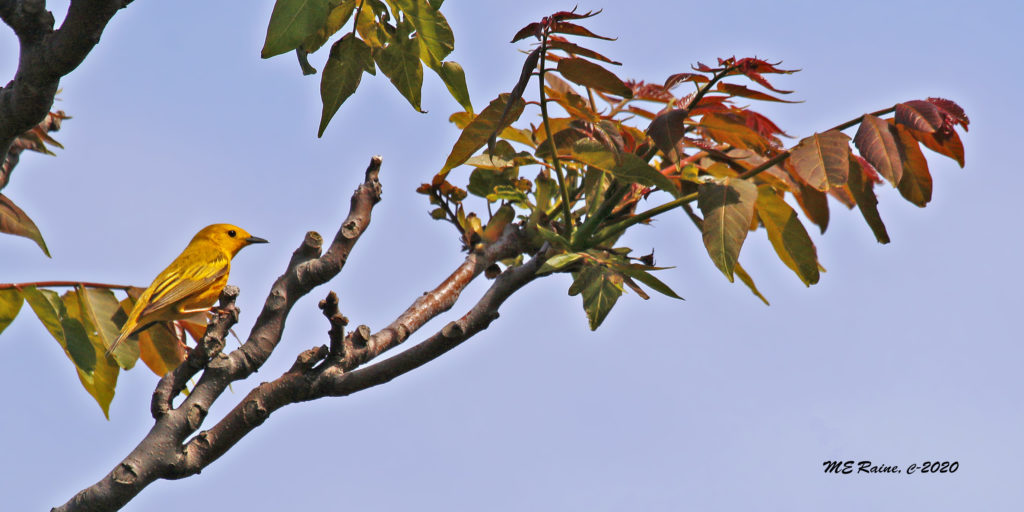
Thanks to Mickey Raine for these great photos of a Scarlet Tanager, Yellow Warbler and scenic shots of the NYC Skyline taken recently! A great way to start a holiday weekend Friday!

It’s my bet that since our stay at home orders came in many of you are enjoying your backyards more than ever. And by now I am also sure that you have been seeing many more birds passing through your yard than you may have ever noticed before.
One reason for that is that you are finally paying attention to the wonders of nature in your own backyard. But also we are privileged to live on the Atlantic Flyway , the migration highway for millions of birds each year. Many of these tiny birds that weigh less than a half an ounce travel hundreds and even thousands of miles to come to rest on your suburban backyard. But unless your backyard has a diversity of native plants it could mean the end of this long, arduous journey.
The hazards of migration are staggering to think about: predators, glass windows, cars, cats, electrical wires toxins and of course climate change, which by some studies may cause 389 species in North America to become extinct unless something is done.
But there is something positive that we can all do today, right now, to fight climate change, habitat loss and help dwindling pollinator, butterfly and migratory bird species.The answer is simple. Put a native plant in the ground and you automatically will have made the environment a better place, not only for our wildlife but for all of us too.

Why are natives so important to our wildlife? The answer is as simple as it is complex. Native plants are perfect. They have evolved together with our wildlife for millions of years. Unlike non-native plants our natives get their berries, seeds, nuts and nectar at exactly the precise time that our wildlife needs them most.
Whether it is migration season, winter survival or nesting time there is a specific native plant that a creature depends on for survival. And the most important and the most misunderstood benefits of our wonderful natives are the insects that they alone can attract. For without that there would be no birds, butterflies or for that matter much of any wildlife left at all including us!
Let’s take for example a white Oak Tree that can attract more than 400 moth and butterfly species that eat the leaves which in turn feed millions of migratory and nesting birds each year, as opposed to a non-native tree like an invasive Bradford Pear which has maybe 1 insect species that will utilize it. In truth your backyard might look green and lush but if it is full of non-native invasive plants there is very little for our birds and butterflies to use. It would be like you going to the super market and finding out once you get there the food is made of plastic. But by utilizing native plants in the home landscape you will make your yard a critical habitat for the local birds, bees and butterflies.

Another example of the perfect native plant is the Spicebush-Lindera Benzoin. This wonderful shrub gets little yellow flowers in spring for the pollinators. The female of the plant gets big, fat redberries that are full of fat for fall bird migration and it is the host plant for the magnificent Spicebush Swallowtail Butterfly. It can’t get more perfect than that, unless of course you count in that you can even make Spicebush tea for yourself!
Native plants can help ease the stresses on wildlife caused by climate change, they can create critical stepping stones for migratory birds, and revitalize local pollinator and butterfly populations yet still look as beautiful as any exotic plant you can buy at any nursery. And perhaps the most important thing native plants can do is to reconnect us all with the natural world that we have become so distant from in recent times.
Changing the way we garden by creating a backyard wildlife garden will not only make a place for the creatures that need it to survive but it will also become a haven for you and your family to thrive in and enjoy for many years to come.
The hazards of migration are staggering to think about: predators, glass windows, cars, cats, electrical wires toxins and of course climate change, which by some studies may cause 389 species in North America to become extinct unless something is done.
But there is something positive that we can all do today, right now, to fight climate change, habitat loss and help dwindling pollinator, butterfly and migratory bird species.The answer is simple. Put a native plant in the ground and you automatically will have made the environment a better place, not only for our wildlife but for all of us too.

Changing the way we garden by creating a backyard wildlife garden will not only make a place for the creatures that need it to survive but it will also become a haven for you and your family to thrive in and enjoy for many years to come.
For more information on creating a Bergen County Audubon Society Certified Wildlife Garden go to http://bergencountyaudubon.org/cwg/ you can also contact me at Greatauk4@gmail.com

This Tree Swallow is taking a peek outside. Maybe wondering whether to stay cozy at home or venture out. Thanks to Mickey Raine for these photos from Mill Creek Marsh!


