The Bergen County Audubon Society is holding two great events this May!
Sunday, May 3 is the BCAS’ First Endangered Species Day, at DeKorte Park in Lyndhurst. There will be talks, walks, kid’s activities and more. We’ll be on the lookout for the Meadowlands’ many endangered, threatened and species of special concern including Peregrine Falcons, Northern Harriers, Red-shouldered Hawks, Osprey and more. Time and schedule to come.
Then, on Saturday, May 16, the BCAS is hosting a talk by writer, naturalist and artist Julie Zickefoose. Julie is the author of several books focusing on birds. Her latest book, “Baby Birds: An Artist Looks Into the Nest,” is the product of 13 years of deep involvement and close observation of nestling birds. For more information on Julie click here Time of the talk is to be announced.
Enjoy nature before settling in for the big game this Sunday (Feb. 2)!
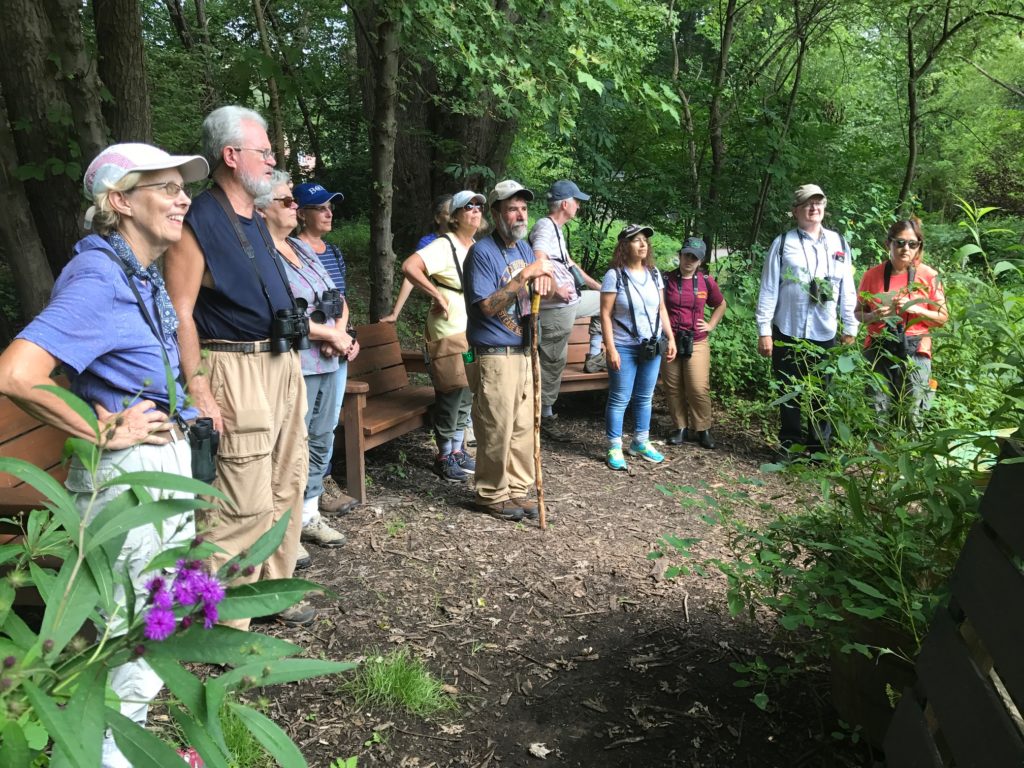
The Bergen County Audubon Society is leading a walk at DeKorte Park in Lyndhurst during which prizes will be awarded to the first people who identify birds with the same names as National Football Leauge teams: Falcon, Cardinal, Raven, Eagle, Seahawk (osprey), Giant (great) egret and Giant (great) blue heron.
The walk runs from 10 am to noon. For more information contact Don Torino at greatauk4@gmail.com or 201-230-4983.
Although there are many complex
reasons for this heartbreaking news, we have to understand that many of the
habitats that birds need to survive have either been destroyed or have been
degraded so badly that they cannot support the biodiversity need to sustain avian
life.
If we are to start
searching for the culprits and better yet for solutions, we only need to open
our back doors and take a closer look outside. There, in a miniature version of
our overall natural habitat, we will find our ecological disaster staring us
back in the face.
The first thing we may see
when we take a closer look are the non-native and even invasive plants that
dominate suburban homes. These plants, which look green and lush, give us a false
sense of a healthy backyard. But in reality they totally fail to be of any benefit
to our birds, butterflies and pollinators. And since migratory birds depend on
our backyards as migratory stepping stones they are forced to stop in place
with no food that would otherwise give them the strength to continue on their
long arduous journey.
Imagine you are driving
along the highway and pull over to a rest stop. All the signs say Stop food and
fuel but then you realize they are actually devoid of food and gas. Obviously you
will not be going too far from that point on. It’s the same with our birds. Add
to that the loss of available nesting places such as dead trees which are
immediately removed sometimes for safety reasons but many times for neatness
and appearance purposes and multiply that with the lack of available clean
water sources that for the most part have disappeared from many suburban towns and
you begin to see the bigger picture of what has happened not only to our local
bird populations but to birds all over. And now the dire situation is being
worsened by climate change.
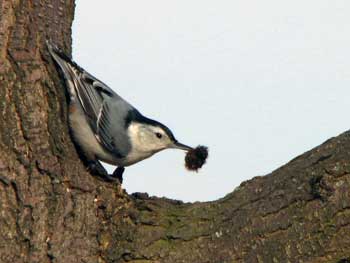
Nuthatch
Case in point: Hurricane
Sandy, which devastated my local community and took its toll on the good folks
that lived there. But the real damage to the environment came later as more
trees were cut down as people, entire communities and insurance companies became
afraid of falling trees on and near homes. As a result I no longer get birds
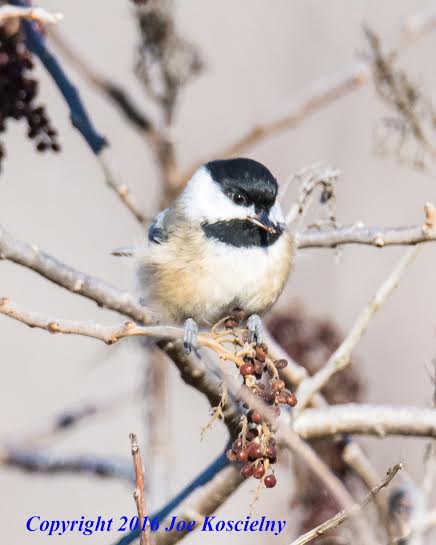
like Chickadees and Nuthatches to my backyard as the local environment cannot
sustain them. Multiply that by the surrounding towns and you have a recipe for
bird disaster.
And if that is not enough
birds are dying from pesticides, window strikes and feral cats right in our own
backyards. I know it is tough for us to hear but it’s not hard to grasp that what
is happening in and around our yards is happening nationwide on a much larger
scale.
Some will say that I am
over simplifying the problem. So yes, absolutely
we need to tackle climate change, save the rainforests in Central and South
America, stand up to save, protect and restore natural habitats in our town,
State and Nationwide, but we also need to remember ecology begins at home and a
good place to begin to bring back our bird populations is right in your own
backyard.
Chickadee
But this report should not
bring us down. Rather it should inspire us and be a rallying cry for a new
beginning because there are many things we can do today right now to turn the
tide and help our birds have a better future. There are a few simple things you
can do right now.
Landscape with
native plants! They’re the true foundation of a healthy, vital habitat and will
help the birds through the stresses of climate change and provide the right
food at the right time for our birds. They are just as if not more beautiful as
any exotic plant you can buy so you can have a magnificent yard and help the
birds at the same time.
Stop using garden
pesticides and herbicides (not healthy for the birds or your family).
Put up some
good quality nest boxes and leave those old dead trees if you can -housing is
at a premium not only for people but for birds too.
Provide some
clean water – something as simple as a small birdbath will help birds that need
water to drink and keep their feathers clean. Just remember to change it often
and keep the bath clean. Or if you have the resources put in a backyard pond.
Protect birds
from hitting your windows -if you have this problem there are easy cling on
decals that can be placed on your windows to drastically cut down on this
tragedy.
Keep cats
indoors-for the safety of the birds and the cats please keep them inside, safe
and happy.
Urge your
elected officials to preserve and protect natural areas where you live – tell
them we need to use bird friendly glass on all our buildings and to cease the
use of unnecessary pesticides and herbicides. Our local, State and federal
governments will need to work together so future generations will enjoy the
birds like we do.
Let me know what you are
doing or have done to make your backyard and local community more bird
friendly. You can e-mail me at Greatauk4@gmail.com
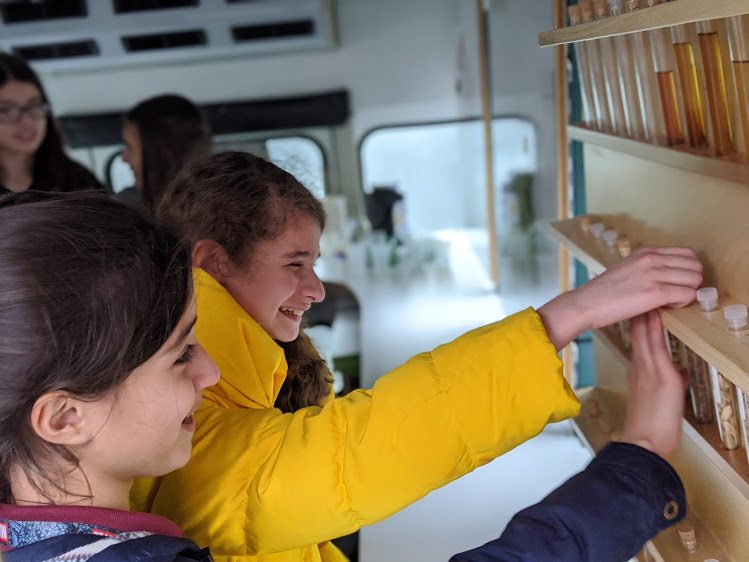
Students from Harrison’s Washington Avenue School and Harrison Middle School last month had a fun, up-close experience learning to prepare healthy meals on the Meadowlands Environment Center’s Mobile Food Lab.
The program, taught in a converted school bus, encourages healthy eating habits and a curiousity among students in food science and nutrition. The Harrison students learned about the Sense of Taste, the Sense of Smell, created a bird’s nest salad, constructed a Garden in a Bottle and Tested for Vitamin C in Liquids. As you can tell from these videos and photos they had a great time! Thanks to teacher Karen Cristalli for sending these great videos and photos!
For more information on the Mobile Food Lab and how to bring it to your school click here
Join the Bergen County Audubon Society next Tuesday (Jan. 21) for a guided walk through Losen Slote Creek Park and the Mehrhof Pond Wildlife Observation Area, both in Little Ferry. The walk goes from 10 am to noon.
Losen Slote Creek Park is one of the last lowland forests in the Meadowlands and the nearby Mehrhof Pond Wildlife Observation Area is a great place for bird watching. For more info contact Don Torino at 201-230-4983.
Although I have always
thought New Year’s Day to be a sort of silly holiday where the only thing that is
celebrated is the changing of a number on a calendar, I honestly can’t help
reflect on the year past and most of all anticipate what wonders of nature wait
for me around the next birding trail in the coming year.
Birders more than anyone
else I know enjoy talking about the birds of days gone by as much as the anticipation
of the birds of the coming season. Those very special birds seen with special
people in wonderful places will always be part of who we are until we are
birding in the big nature preserve in the sky, and perhaps even after that. I
am as guilty as anyone else. As soon as there is a lull in the bird activity on
a field trip I usually look around just to say to someone, “I remember the time
when….”
But assuming that I have
more fields to wander and birding trails to meander it is time to think ahead.
So just in case they are listening I would like to give a shout out to all the
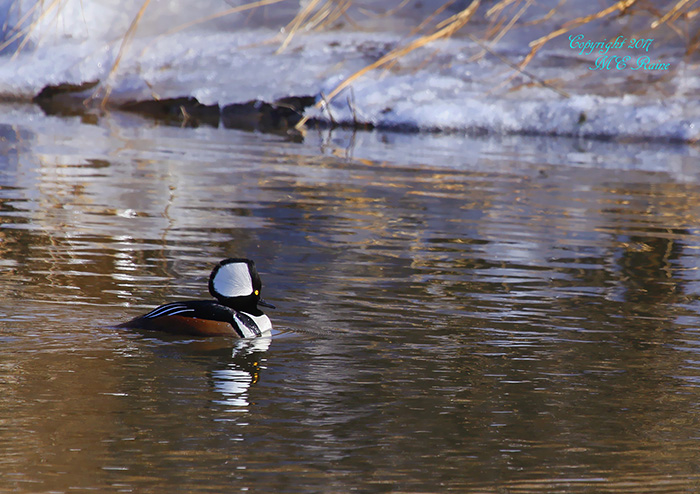
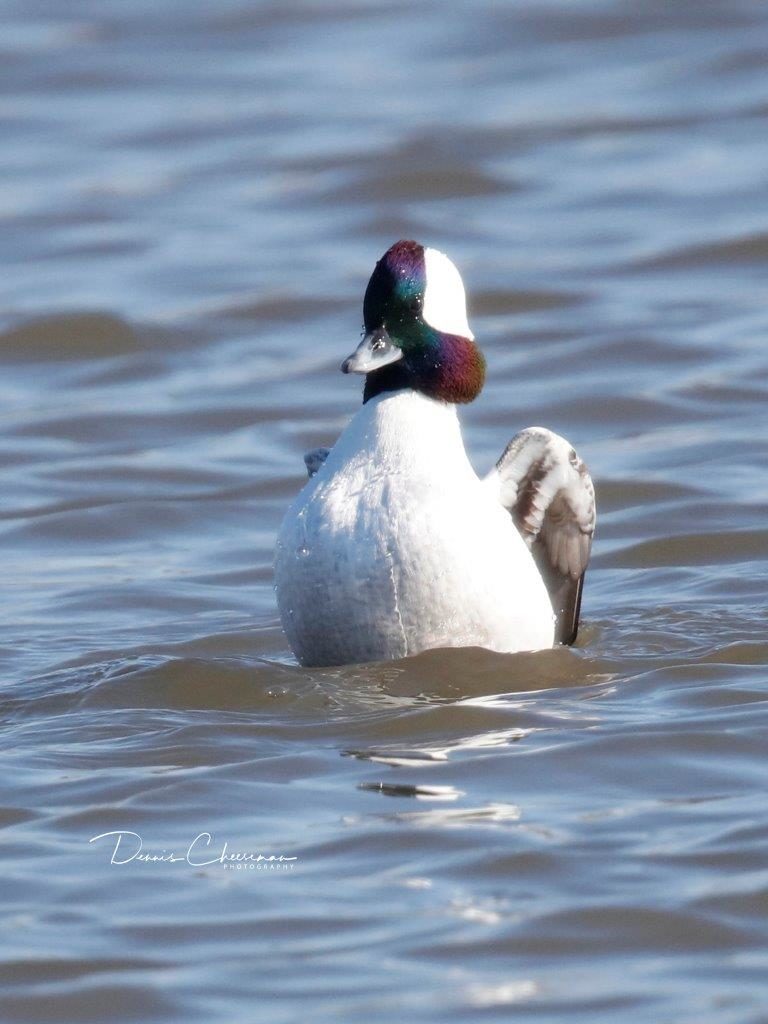
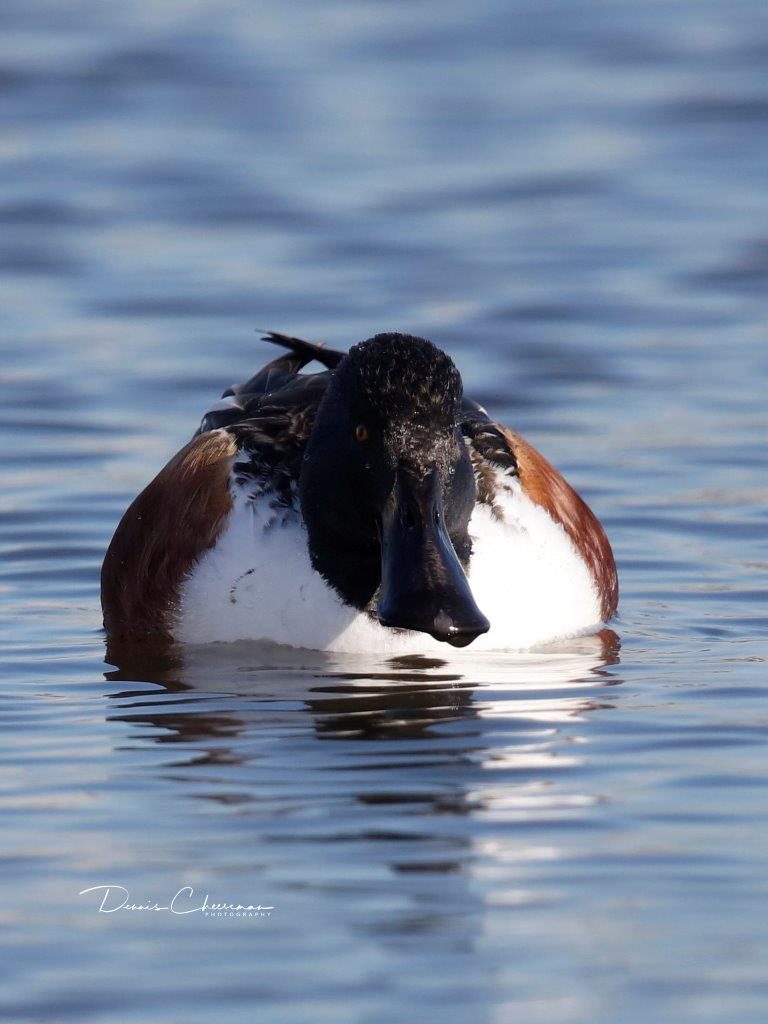
birds, new and old, I will see in 2020.
If you are life bird for
me be sure I spot you with a special friend along. For as magnificent as it is
to see a bird I have never seen before I want someone next to me to share it
with. After all there is not much sense in having such a spiritual experience
if there is not someone who, when you see each other, even after years have passed,
that you can sit with and recall that day when that bird was right there
seemingly just for us to see.
Of course it does not have
to be an old friend. It could be a new birding friend or someone that just
wandered up the trail at the right time. No matter, the experience will bind
you both together as long as the love of nature stays in your soul.
I don’t want you to make
it easy! Well, maybe sometimes. I want to see a new bird when the Meadowlands’
cold winds are whipping, when the snow and ice cover the trail, and when the rain
drops obstruct my binoculars. At least then I will have made sense of my
freezing hands and toes and soaking wet feet and it will be only then that I
will be sure that all is right in the world.
Of course there are those
times when easy would be good, like when I am exhausted sitting on a bench
ready to go home and that special bird lands on a tree right next to me. Or
when there is a rare bird report and I drive all the way there, get out of the
car and actually see the bird! A few of those would not really be bad.
To all the birds of 2020 I
have seen in the past, do not worry, I have not forgotten you. You have played
a major part of who I am and helped make my life a wonderful and special
journey. Please keep allowing me to see the Chickadees hanging upside down over
my head and the Blue Jays taking peanuts from the backyard feeder. I will
always need to see the Canvasbacks wintering at DeKorte Park, the Egrets
gathering on migration and the Killdeer scurrying along the ground. The
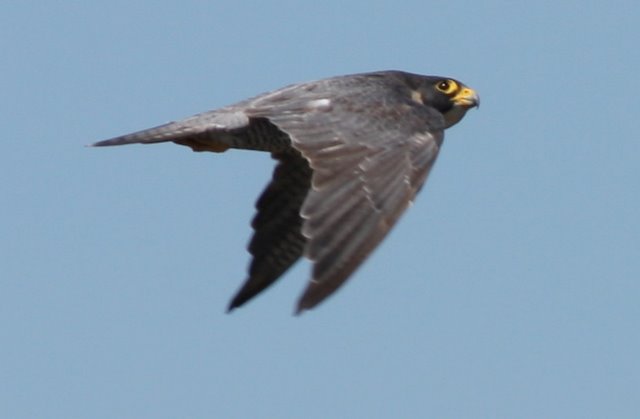
goosebumps I get from seeing a Bald Eagle or Peregrine Falcon will never stop
coming and an Osprey on the nest will always help me understand and remember
the good things that we can all accomplish.
And to all the birds I
promise I will get myself off the couch even when I am not feeling that great
to come out for a visit. After all, I know that all my wonderful experiences
could not be had sitting inside. So even as the back gets sore and the old legs
don’t work as well I will be out there not only for myself but also for the folks
that can no longer make it. I will be sure to let them know that I saw all of
you and you are doing well.
And finally it is not
enough to let you know how much I look forward to birding in the New Year.
After all, there is a big responsibility that goes along with that. Just to let
you all know I will do what I can to protect and preserve the places you need
to survive.
I know too well that we
are at the crossroads and what we do or fail to do will mean whether future
generations get to have you as part of their lives the way we all have for so
many years. So just to let you know it is my hope that 2020 will be a new beginning,
when we all join together to be sure
that everyone gets to live in a safe environment and learns to love,
cherish and most of all visit with the birds, the same way I have been blessed
to, for many years to come